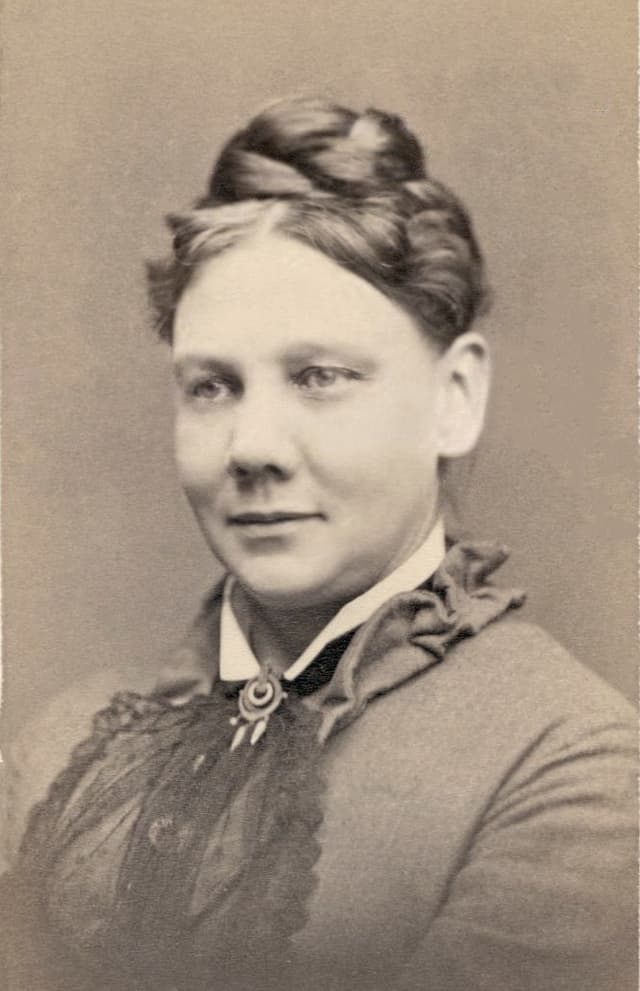
Mary H. Eastman
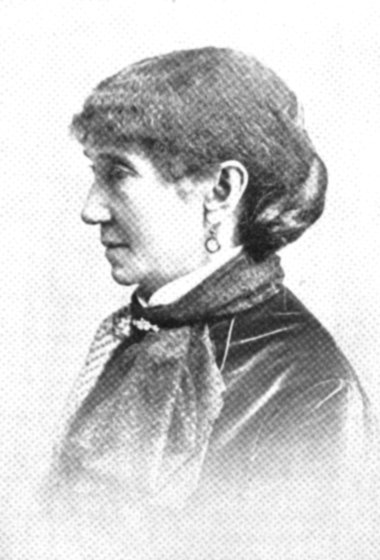
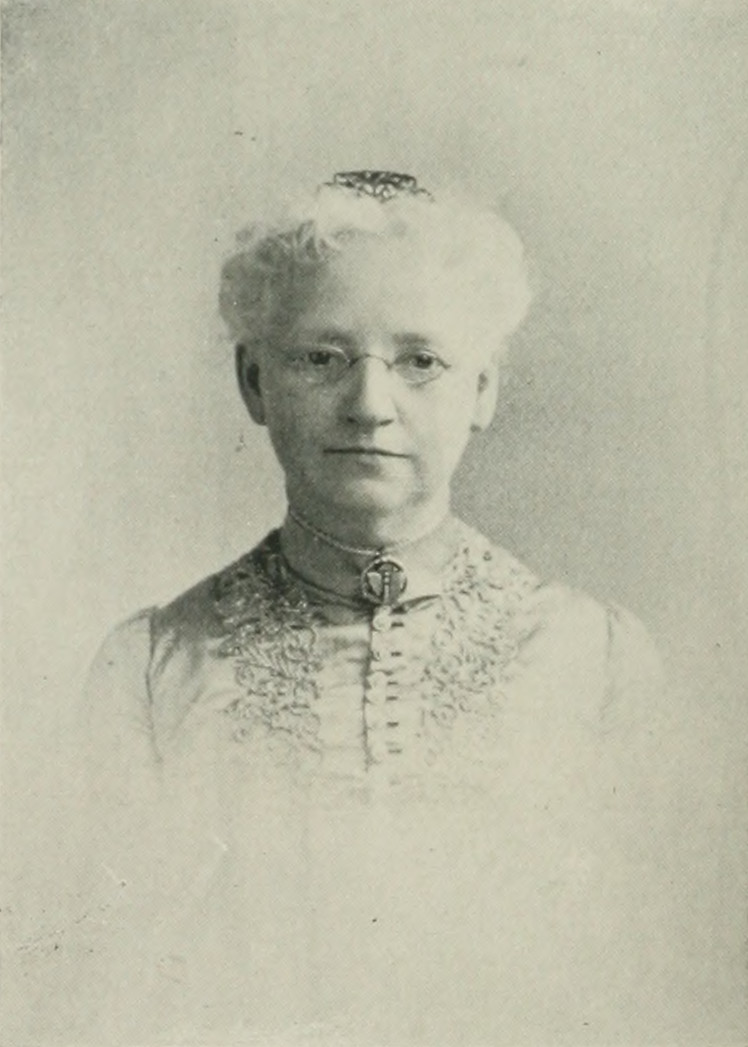
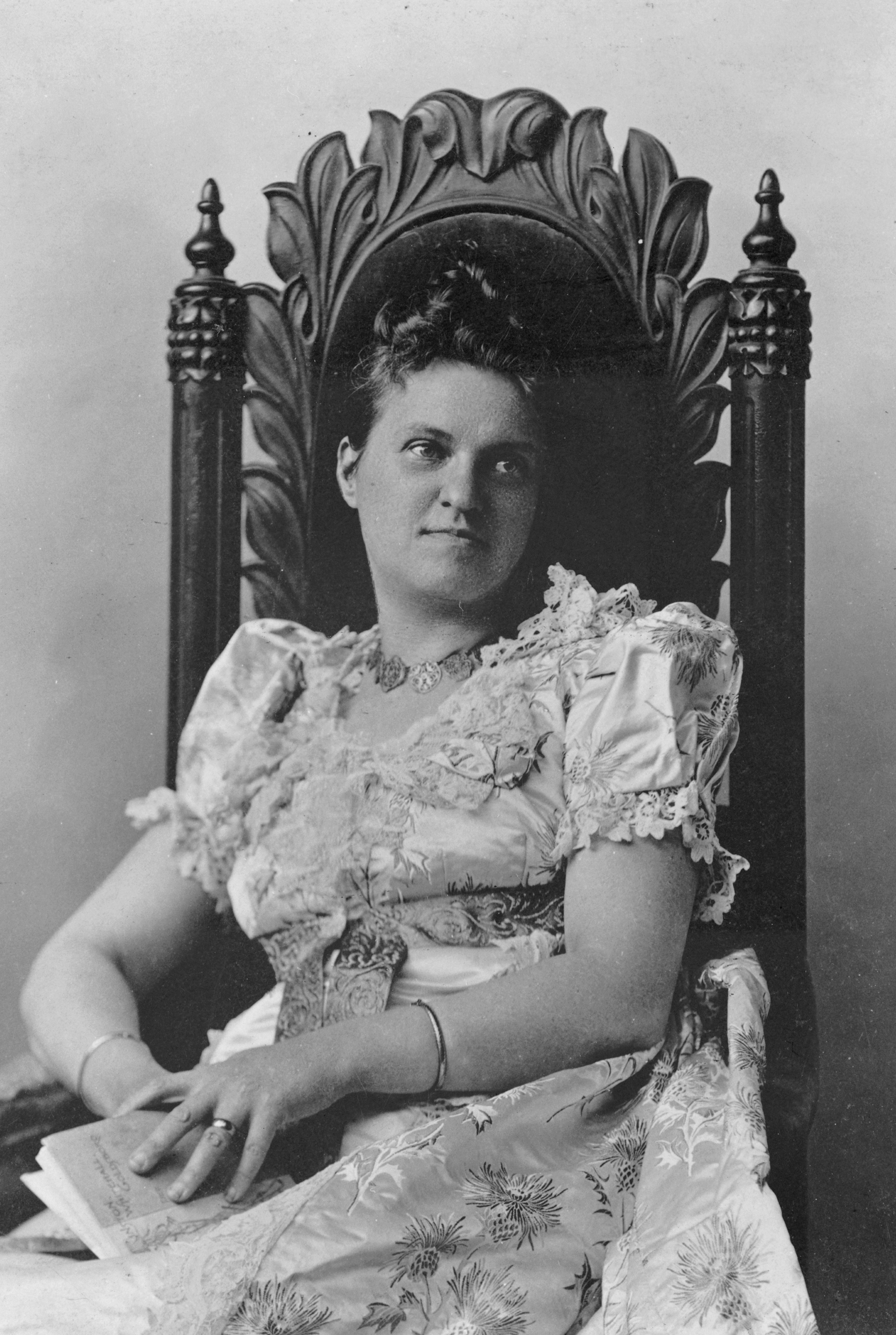
Mary H. Eastman was an American author and educator known for her writings on Native American culture and her advocacy for their rights. Born in 1818, she grew up in a time of significant change in the United States, which influenced her perspectives on social justice and cultural representation. Eastman was particularly notable for her work as a historian and her efforts to document the lives of Native Americans, providing insights into their customs and traditions during a period of increasing displacement and marginalization. Her most recognized works include 'A Narrative of the Life of Mrs. Mary H. Eastman' and 'The Indian Question,' which reflect her deep engagement with the issues facing Indigenous peoples and her attempts to bridge cultural divides through understanding and education. Eastman's writings are significant not only for their content but also for their role in the broader discourse on race and identity in 19th-century America. She often challenged prevailing stereotypes and sought to humanize Native Americans in the eyes of her contemporaries. Her legacy lies in her contributions to the literature of her time, as well as her pioneering efforts to advocate for the rights and dignity of Indigenous peoples, making her a notable figure in the history of American literature and social reform.
Famous Quotes
View all 2 quotes“Good men are sending the Bible to all parts of the world. Sermons are preached on behalf of fellows-creatures who are perishing in regions known only to us in name. And here, within reach of comparatively the slightest exertion; here, not many miles from churches and schools, and all the moral influences abounding in Christian society; here, in a country endowed with every advantage that God can bestow, are perishing, body and soul, our own countrymen: perishing too from disease, starvation and intemperance, and all the evils incidents to their unhappy condition. White men, Christian men, are driving them back; rooting out their very names from the face of the earth. Ah! these men can seek the country of the Sioux when money is to be gained: but how few care for the sufferings of the Dahcotahs! how few would give a piece of money, a prayer, or even a thought, towards their present and eternal good.””
“In our hurry of utilitarian progress, we have either forgotten the Indian altogether, or looked upon him only in a business point of view, as we do almost everything else; as a thriftless, treacherous, drunken fellow, who knows just enough to be troublesome, and who must be cajoled or forced into leaving his hunting-grounds for the occupation of very orderly and virtuous white people, who sell him gunpowder and whiskey, but send him now and then a missionary to teach him that it is wrong to get drunk and murder his neighbor.””
Books from the author

Link to this page
Add a free, dofollow link to Lex on your blog, forum, syllabus, or reading list.

<a href="https://lex-books.com/author/mary-h-eastman"><img src="https://lex-books.com/badges/read-on-lex.svg" alt="Mary H. Eastman on Lex" width="160" height="40"></a>[](https://lex-books.com/author/mary-h-eastman)[url=https://lex-books.com/author/mary-h-eastman][img]https://lex-books.com/badges/read-on-lex.svg[/img][/url]Mary H. Eastman on Lex: https://lex-books.com/author/mary-h-eastman