What would you like to read?Search books, authors, genres, shelves, users...
Search books, authors, genres, shelves, users...Search books, authors, genres, shelves, users...

What would you like to read?Search books, authors, genres, shelves, users...
Search books, authors, genres, shelves, users...Search books, authors, genres, shelves, users...
1 books
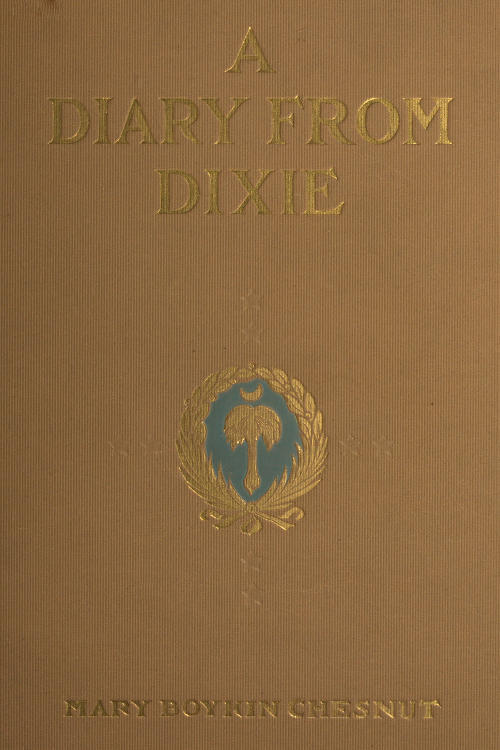
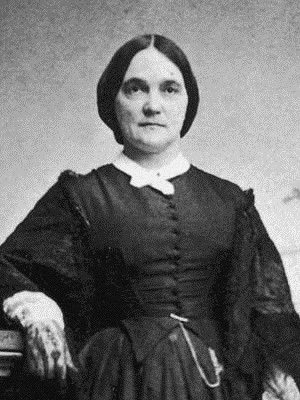
Mary Boykin Chesnut (née Miller; March 31, 1823 – November 22, 1886) was an American writer noted for a book published as her Civil War diary, a "vivid picture of a society in the throes of its life-and-death struggle." She described the war from within her upper-class circles of Southern slaveowner society, but encompassed all classes in her book. She was married to James Chesnut Jr., a lawyer who served as a United States senator and officer in the Confederate States Army. Chesnut worked toward a final form of her book in 1881–1884, based on her extensive diary written during the war years. It was published in 1905, 19 years after her death. New versions were published after her papers were discovered, in 1949 by the novelist Ben Ames Williams, and in 1981 by the historian C. Vann Woodward, whose annotated edition of the diary, Mary Chesnut's Civil War (1981), won the Pulitzer Prize for History in 1982. Literary critics have praised Chesnut's diary—the influential writer Edmund Wilson termed it "a work of art" and a "masterpiece" of the genre — as the most important work by a Confederate author.

When we read of the battles in India, in Italy, in the Crimea, what did we care? It was only an interesting topic, like any other, to look for in the paper. Now, you hear of a battle with a thrill and a shudder. It has come home to us ... A telegram comes to you and you leave it on your lap. You are pale with fright... How many, many of your friends or loved ones this scrap of paper may tell you have gone to their death.
I think incompatibility of temper began when it was made plain to us that we get all the opprobrium of slavery while they, with their tariff, get the money there is in it.
We try our soldiers to see if they are hot enough before we enlist them. If, when water is thrown on them they do not sizz, they won’t do; their patriotism is too cool.
When we read of the battles in India, in Italy, in the Crimea, what did we care? It was only an interesting topic, like any other, to look for in the paper. Now, you hear of a battle with a thrill and a shudder. It has come home to us ... A telegram comes to you and you leave it on your lap. You are pale with fright... How many, many of your friends or loved ones this scrap of paper may tell you have gone to their death.