
Marie von Ebner-Eschenbach
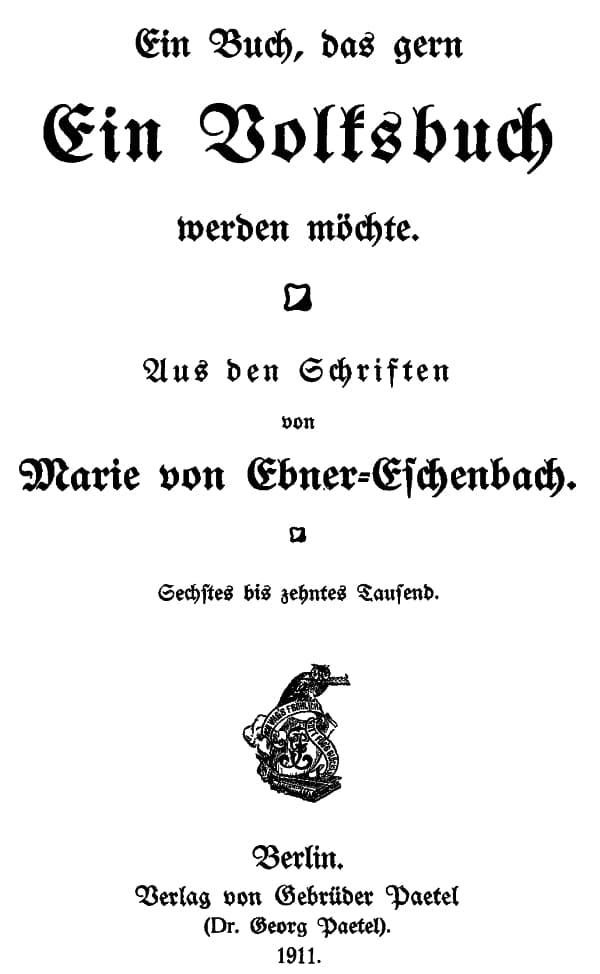
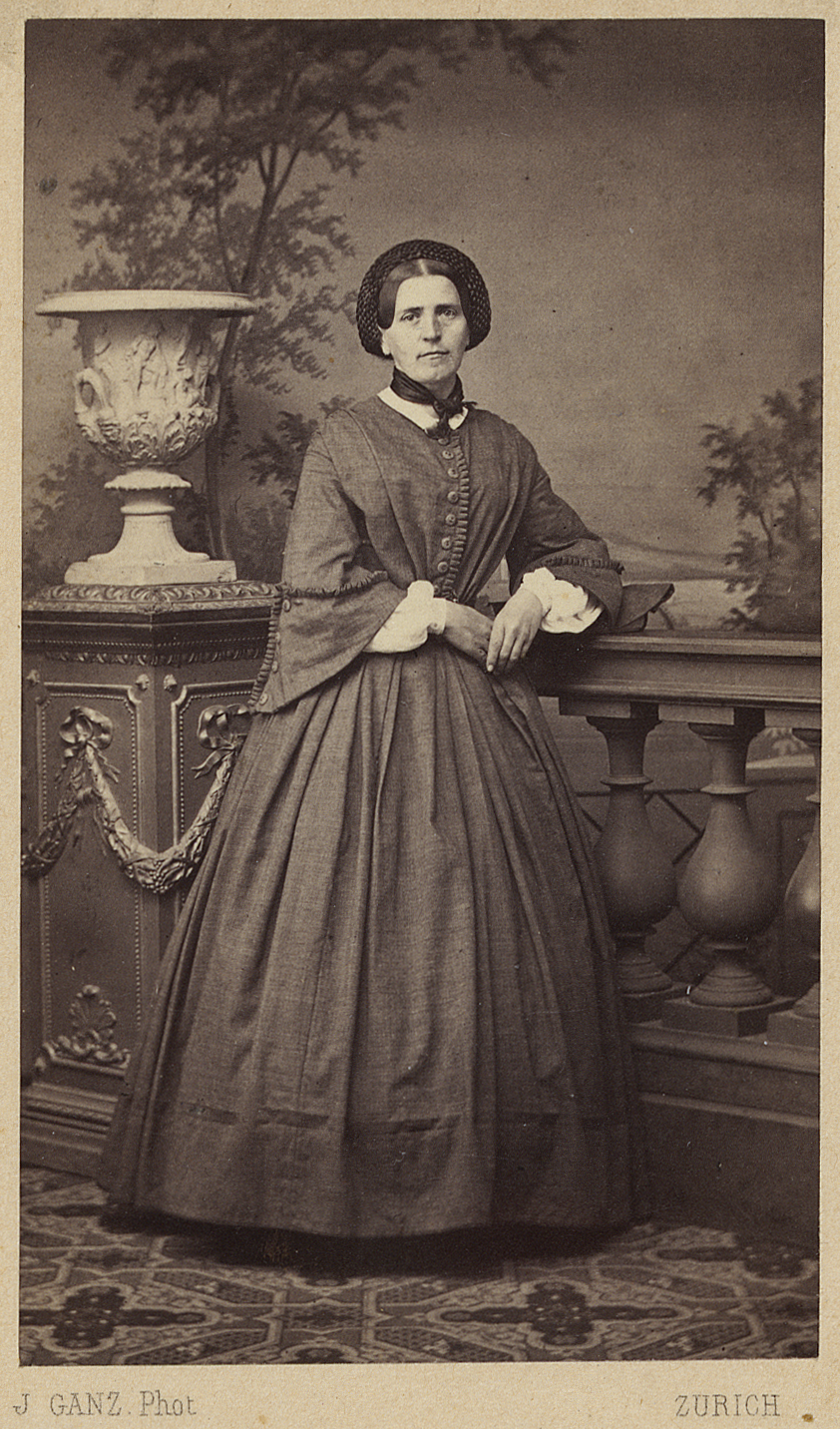
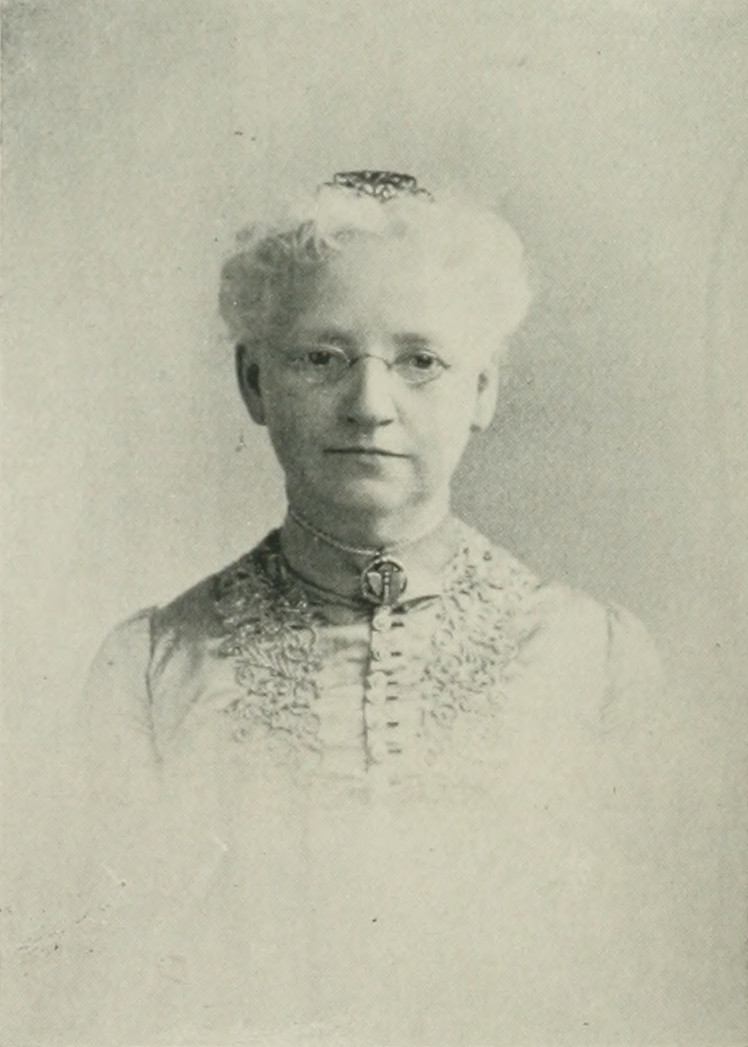
Marie von Ebner-Eschenbach was an influential Austrian writer and noblewoman, recognized for her profound contributions to German literature in the late 19th century. Born into an aristocratic family, she developed a keen interest in literature and psychology, which informed her writing style and thematic choices. Her notable works, including the psychological novel 'Das Gemeindekind' and the poignant 'Die Hochzeit der Ratgeber', explored complex human emotions and social issues, often reflecting her own experiences and observations of society. Ebner-Eschenbach's literary significance lies in her ability to blend psychological insight with social critique, making her one of the foremost female authors of her time. She challenged societal norms and provided a voice for women, addressing themes of identity, morality, and the human condition. Her legacy endures as she paved the way for future generations of writers, particularly women, in the realm of psychological and social literature, establishing herself as a key figure in the canon of German-language literature.
Famous Quotes
View all 3 quotes“To be content with little is difficult; to be content with much, impossible.”
“Even a stopped clock is right twice a day”
“Fear not those who argue but those who dodge.”
Books from the author



Link to this page
Add a free, dofollow link to Lex on your blog, forum, syllabus, or reading list.

<a href="https://lex-books.com/author/marie-von-ebner-eschenbach"><img src="https://lex-books.com/badges/read-on-lex.svg" alt="Marie von Ebner-Eschenbach on Lex" width="160" height="40"></a>[](https://lex-books.com/author/marie-von-ebner-eschenbach)[url=https://lex-books.com/author/marie-von-ebner-eschenbach][img]https://lex-books.com/badges/read-on-lex.svg[/img][/url]Marie von Ebner-Eschenbach on Lex: https://lex-books.com/author/marie-von-ebner-eschenbach