Margarete Böhme
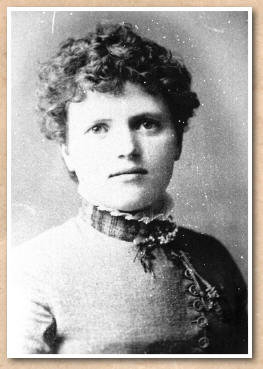
Margarete Böhme was a German author known for her poignant explorations of women's experiences and societal issues in the late 19th and early 20th centuries. Born in 1869, Böhme's literary career flourished during a time when women's voices were increasingly gaining prominence in literature. She is best remembered for her novel 'Tagebuch einer Verlorenen' ('Diary of a Lost Woman'), which delves into the struggles of a young woman grappling with societal expectations, love, and personal identity. This work is notable for its candid portrayal of female sexuality and emotional turmoil, marking it as a significant contribution to the genre of women's literature during that era. In addition to 'Tagebuch einer Verlorenen,' Böhme authored several other notable works, including 'Yhteiskunnan Hylkäämä: Langenneen Naisen Päiväkirja,' which further examines themes of social rejection and the plight of women. Her novels, such as 'Die graue Strasse' and 'Im Irrlichtschein,' reflect her keen insight into the complexities of human relationships and the darker aspects of society. Böhme's writing is characterized by its psychological depth and social critique, making her an important figure in the literary landscape of her time. Her legacy endures as a precursor to later feminist literature, influencing subsequent generations of writers who sought to articulate the female experience in a patriarchal world.
Famous Quotes
View all 1 quotes“Our God" has a Janus head with two faces. One promising Love and Forgiveness, is for the good people, the people of childlike faith, the people who never make a false step, and so never need to be forgiven at all. And the other face - vengeful, terrible, inexorable - is turned towards the wicked, hardened, impenitent sinners, threatening them with Hell and Damnation and Vengeance and Punishment to the third and forth generation.””