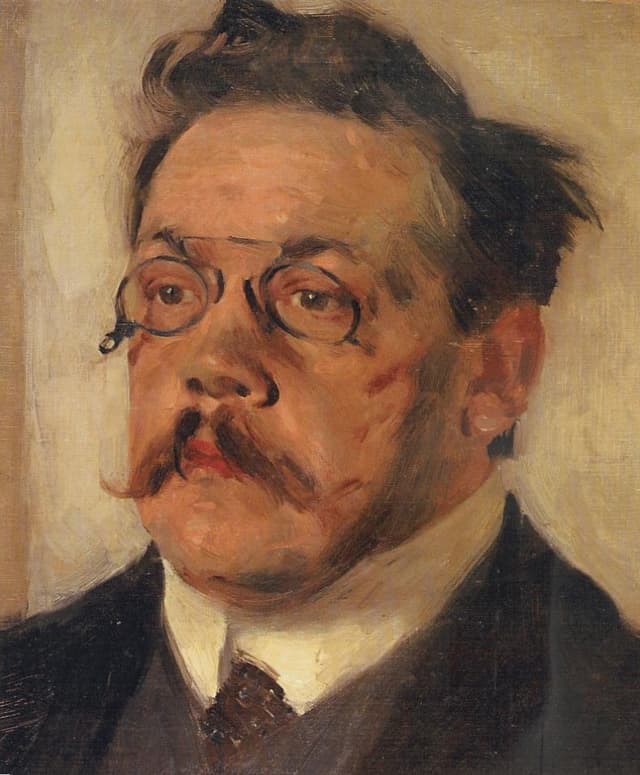
Ludwig Thoma
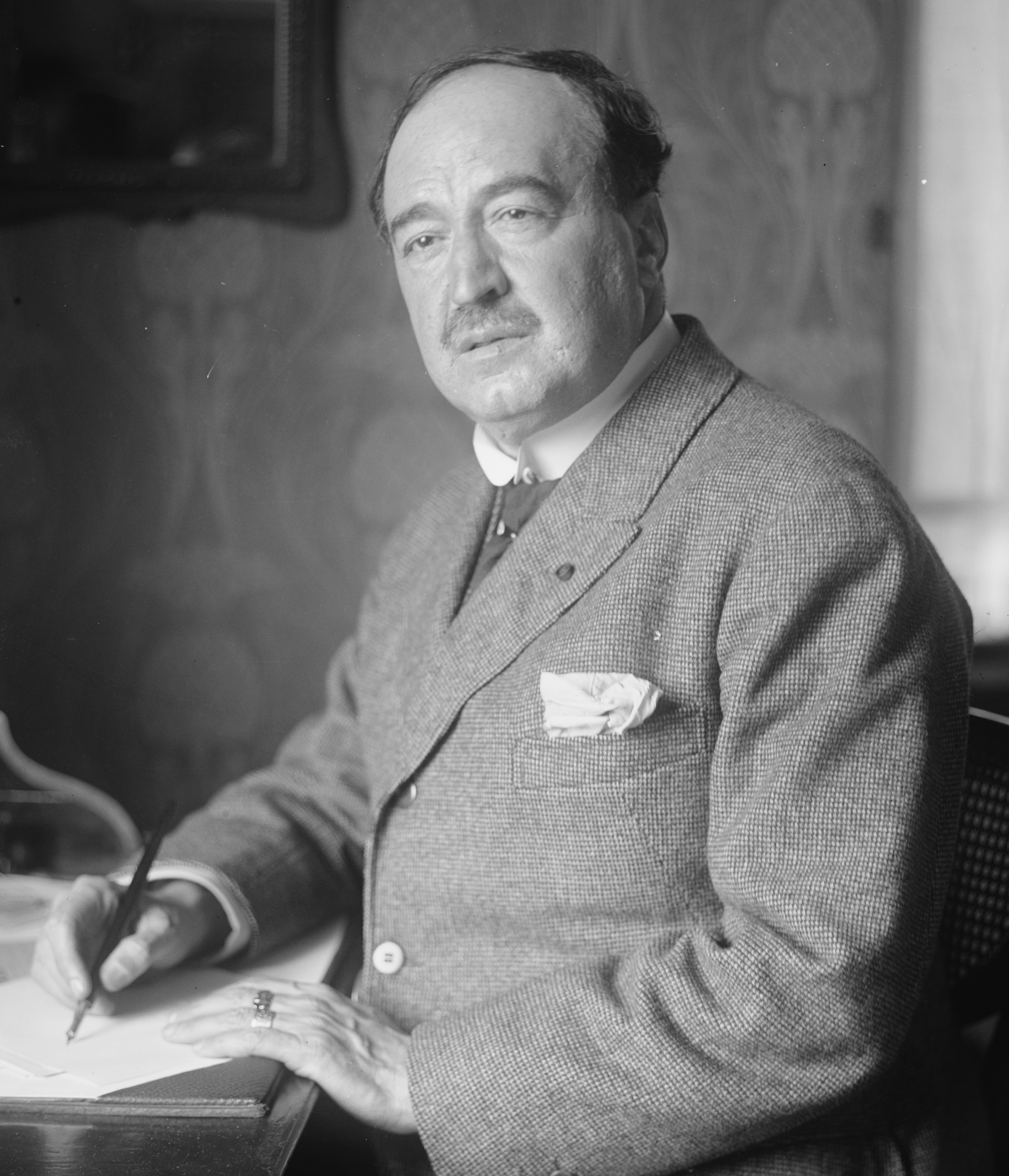
Ludwig Thoma (German: [ˈluːt.vɪç ˈtoː.ma] ⓘ; 21 January 1867 in Oberammergau – 26 August 1921 in Tegernsee) was a German author, publisher and editor, who gained popularity through his partially exaggerated description of everyday Bavarian life. After graduation from the Imperial Latin School in Landstuhl (today: Sickingen- Gymnasium Landstuhl), he first studied Forestry in Aschaffenburg, then Law until 1893 in Munich and Erlangen. Subsequently, he settled down as a lawyer, at first in Dachau, later in Munich. After 1899, he worked for the magazine Simplicissimus and published humorous narrations, comedies, novels and stories. Thoma satirized Bavarian rural and small-town life. His serious peasant novels Andreas Vöst (1905), Der Wittiber (1911), and Der Ruepp (1922), as well as his humorous collections Assessor Karlchen (1900), Lausbubengeschichten (Tales of a Rascal, 1904), and Tante Frieda (Aunt Frieda, 1906), are characterized by authenticity of regional language and life. Thoma's dramas, including Die Medaille (The Medal, 1901), Das Säuglingsheim (The Orphanage, 1913), and especially Moral (1908), reflect elements of folk theatre.
Famous Quotes
View all 1 quotes“Except for Christianity, the Nazis reject as Jewish everything which stems from Jewish authors. This condemnation includes the writings of those Jews who, like Stahl, Lassalle, Gumplowicz, and Rathenau, have contributed many essential ideas to the system of Nazism. But the Jewish mind is, as the Nazis say, not limited to the Jews and their offspring only. Many “Aryans” have been imbued with Jewish mentality”
Books from the author

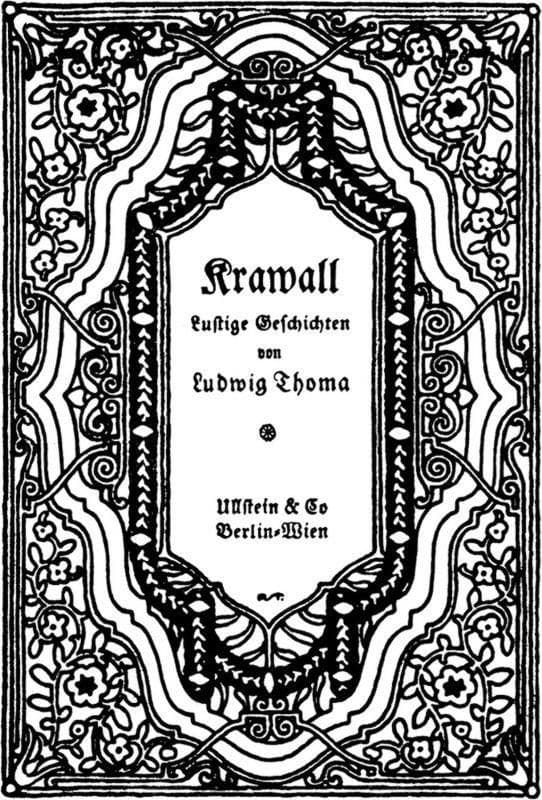


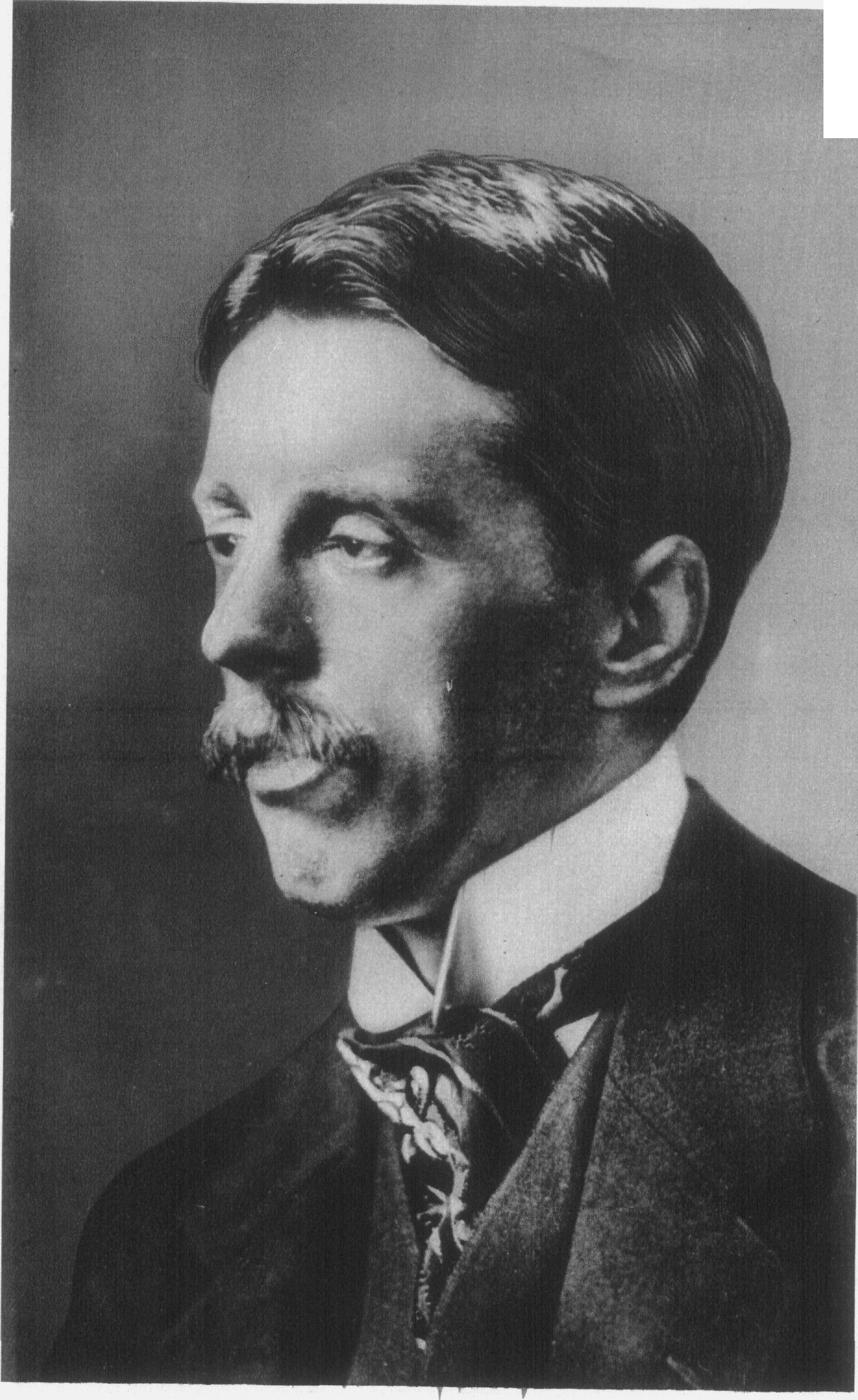
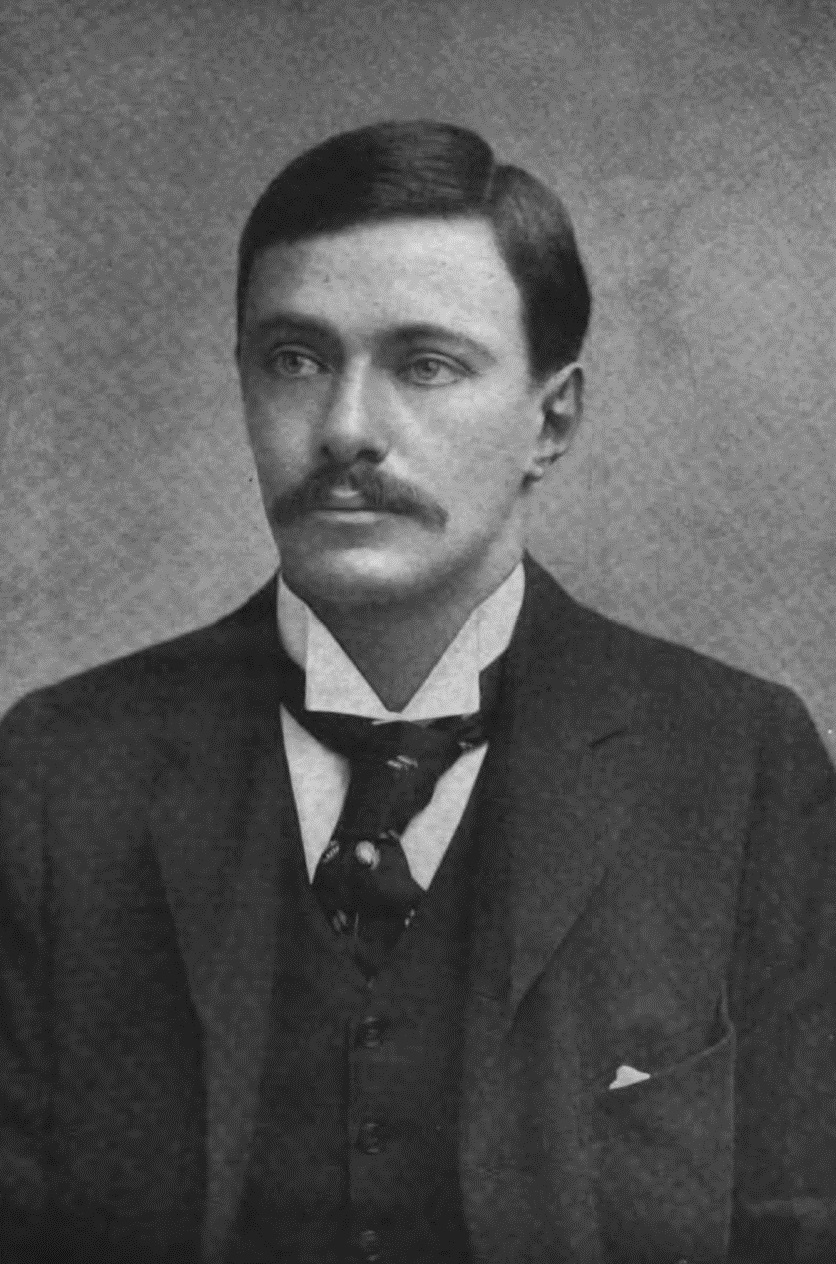

Link to this page
Add a free, dofollow link to Lex on your blog, forum, syllabus, or reading list.

<a href="https://lex-books.com/author/ludwig-thoma"><img src="https://lex-books.com/badges/read-on-lex.svg" alt="Ludwig Thoma on Lex" width="160" height="40"></a>[](https://lex-books.com/author/ludwig-thoma)[url=https://lex-books.com/author/ludwig-thoma][img]https://lex-books.com/badges/read-on-lex.svg[/img][/url]Ludwig Thoma on Lex: https://lex-books.com/author/ludwig-thoma