Laurence Hope
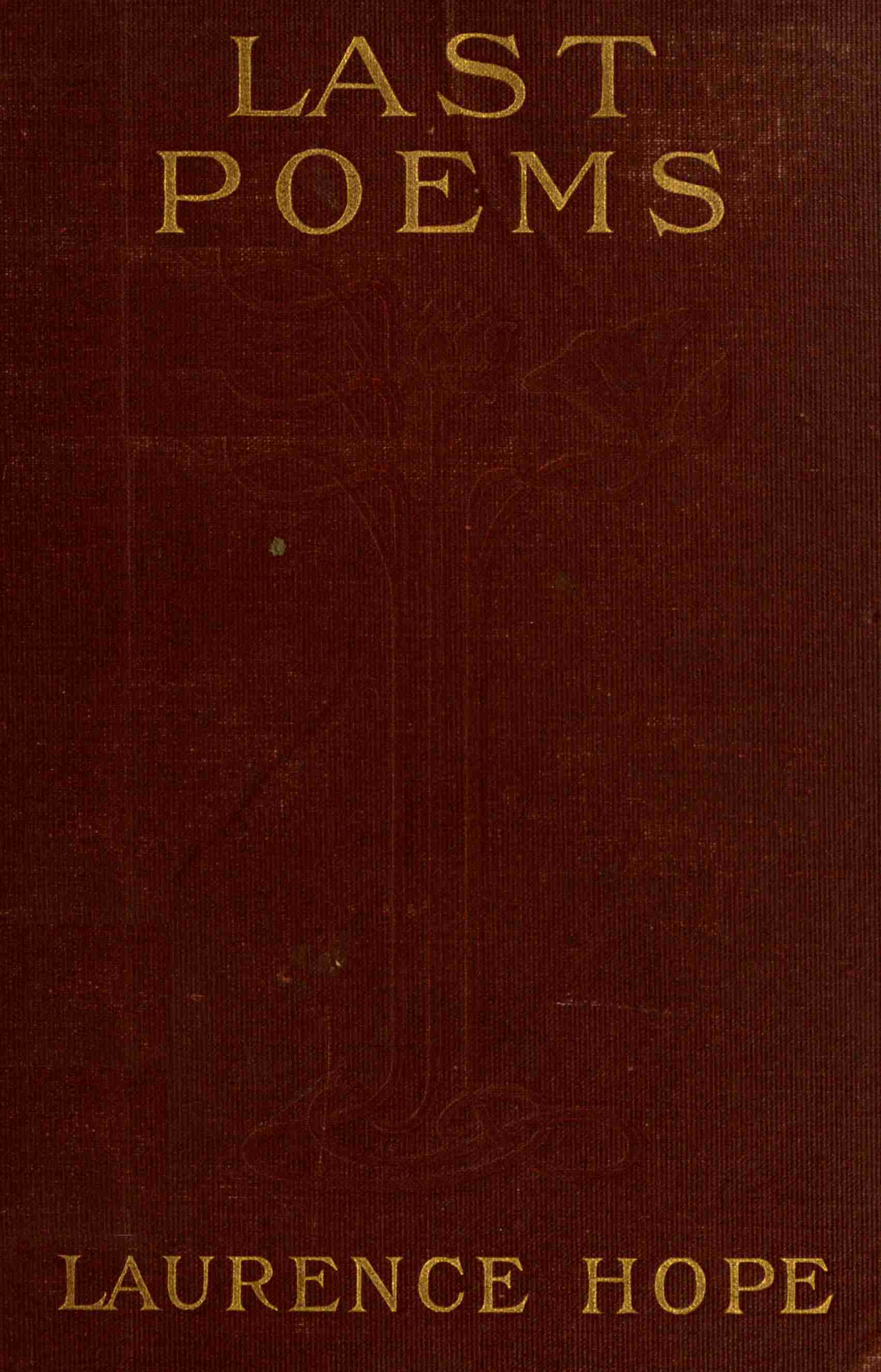
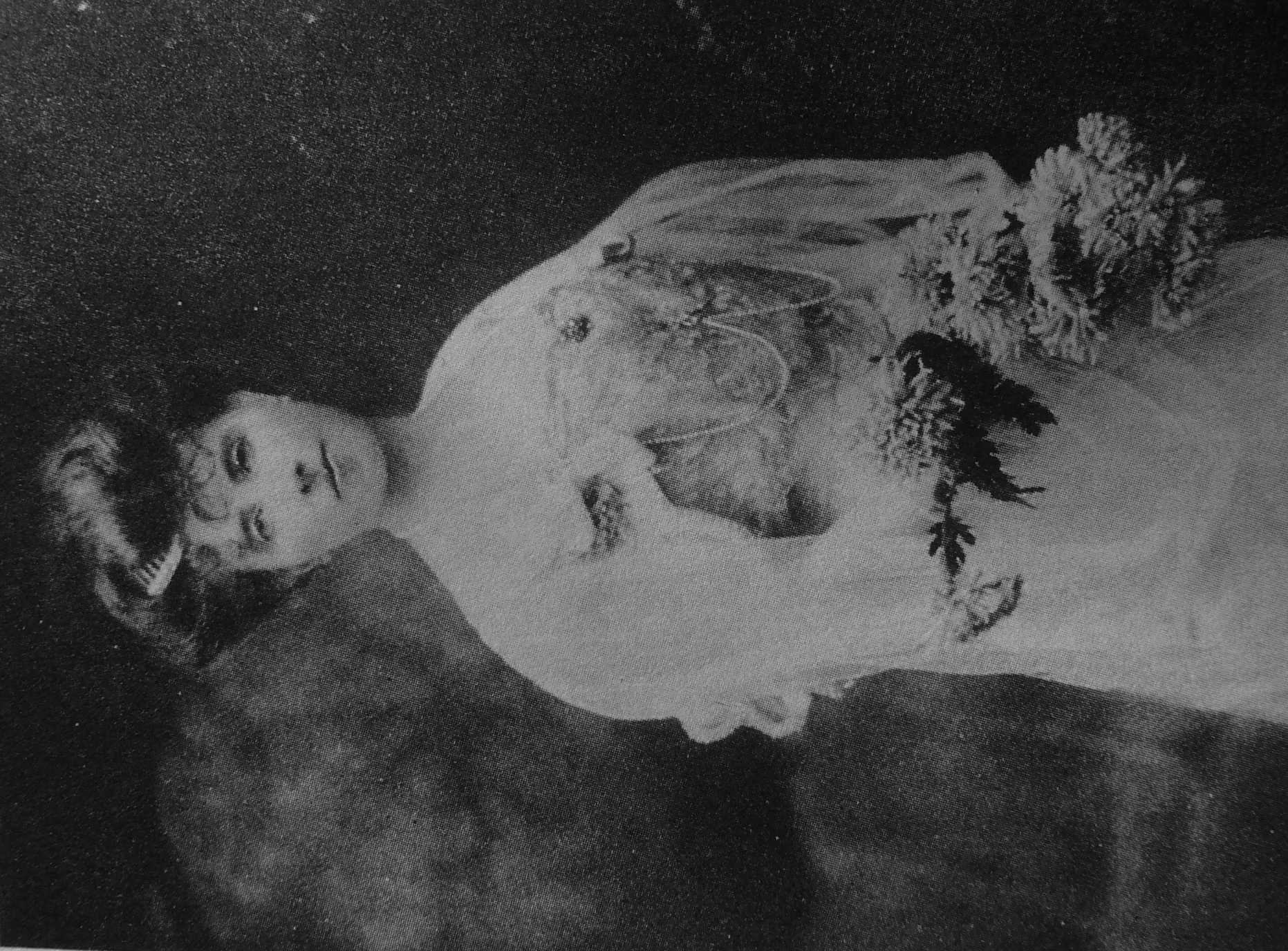
Laurence Hope was a British poet and novelist, renowned for her evocative poetry that often explored themes of love, longing, and the exoticism of the East. Born in 1865 in India, she was the daughter of a British army officer and spent much of her early life in India, which deeply influenced her writing. Her most notable works include the poetry collections 'The Garden of Kama' and 'The Heart of a Woman,' where she skillfully blended Eastern imagery with Western sensibilities, capturing the complexities of desire and emotion. Hope's writing was distinctive for its lyrical quality and its exploration of the female experience, making her a significant figure in early 20th-century literature. Hope's work was groundbreaking for its time, as she brought a woman's perspective to themes often dominated by male authors. Her poetry resonated with readers and contributed to the burgeoning interest in Eastern culture among Western audiences. Despite her relatively short life, ending in 1904, her legacy continued to influence poets and writers who sought to explore the intersections of culture and identity. Laurence Hope remains a notable figure for her contributions to poetry and her role in shaping the literary landscape of her era.
Famous Quotes
View all 3 quotes“For this is Wisdom; to love, to live To take what fate, or the Gods may give. To ask no question, to make no prayer, To kiss the lips and caress the hair, Speed passion's ebb as you greet its flow To have, -to hold -and -in time, -let go!”
“For this is wisdom- to love and live To take what fate or the Gods may give, To ask no question, to make no prayer, To kiss the lips and caress the hair, Speed passion's ebb as we greet its flow, To have and to hold, and, in time--let go.”
“Men should be judged, not by their tint of skin, the Gods they serve, the Vintage they drink, nor by the way they fight, or love, or sin, But by the quality of the thought they think.”
Books from the author





Link to this page
Add a free, dofollow link to Lex on your blog, forum, syllabus, or reading list.

<a href="https://lex-books.com/author/laurence-hope"><img src="https://lex-books.com/badges/read-on-lex.svg" alt="Laurence Hope on Lex" width="160" height="40"></a>[](https://lex-books.com/author/laurence-hope)[url=https://lex-books.com/author/laurence-hope][img]https://lex-books.com/badges/read-on-lex.svg[/img][/url]Laurence Hope on Lex: https://lex-books.com/author/laurence-hope