
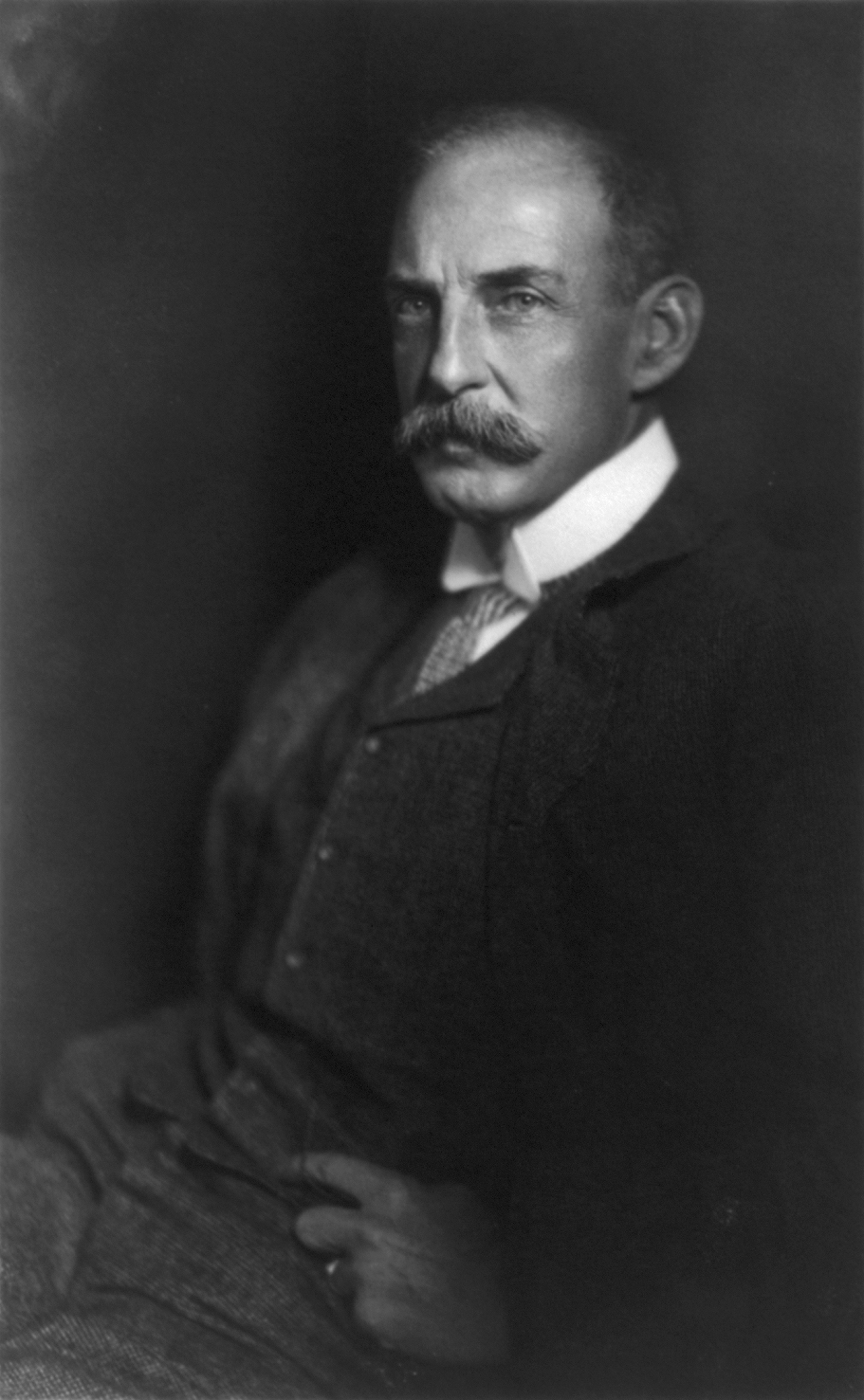
Thomas, Jr. Dixon
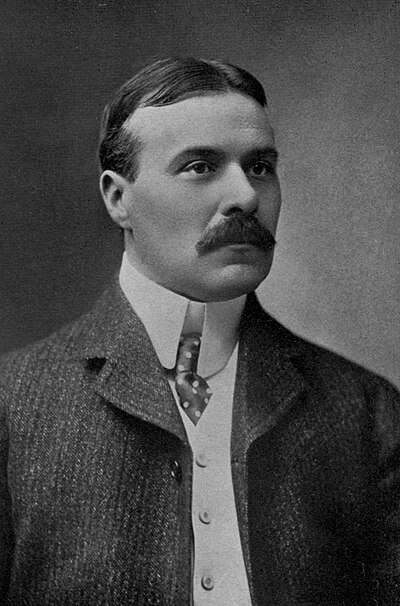
Thomas Dixon, Jr. was an American novelist, playwright, and political activist known for his controversial works that explored themes of race and Southern identity. Born in North Carolina, Dixon was deeply influenced by the post-Civil War South, which shaped his perspectives and literary output. He gained notoriety with his novel 'The Klansman' (1905), which glorified the Ku Klux Klan and was later adapted into the film 'The Birth of a Nation' (1915). This work, while popular, sparked significant debate and criticism for its racist themes and portrayal of African Americans. Dixon's writings often reflected his belief in white supremacy and the Lost Cause ideology, which romanticized the Confederacy. His other notable works include 'The Leopard's Spots' (1902) and 'The Sins of the Fathers' (1914), both of which continued to explore similar themes. Despite his literary success, Dixon's legacy is marred by his controversial views, and he remains a polarizing figure in American literature. His works serve as a reflection of the racial tensions and societal attitudes of his time, making him a significant, albeit contentious, figure in the history of American literature.
Famous Quotes
View all 3 quotes“As it drew nearer, excitement grew intense. Swarms of adventurers expecting the overthrow of the Government crowded into Washington.””
“Treason is an easy word to speak. A traitor is one who fights and loses. Washington was a traitor to George III.””
“Wealth and all its good things becomes with us at last habit. And habit is life.””
Books from the author














Link to this page
Add a free, dofollow link to Lex on your blog, forum, syllabus, or reading list.

<a href="https://lex-books.com/author/thomas-jr-dixon"><img src="https://lex-books.com/badges/read-on-lex.svg" alt="Thomas, Jr. Dixon on Lex" width="160" height="40"></a>[](https://lex-books.com/author/thomas-jr-dixon)[url=https://lex-books.com/author/thomas-jr-dixon][img]https://lex-books.com/badges/read-on-lex.svg[/img][/url]Thomas, Jr. Dixon on Lex: https://lex-books.com/author/thomas-jr-dixon