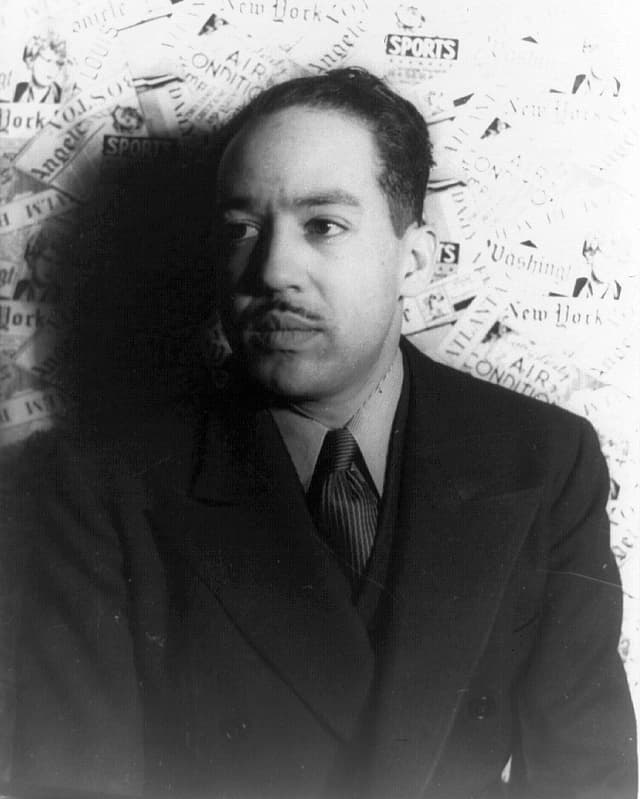
Langston Hughes
Langston Hughes was a prominent American poet, social activist, novelist, playwright, and columnist, recognized as a leading figure of the Harlem Renaissance. Born in Joplin, Missouri, he began writing at a young age and later moved to New York City, where he became immersed in the vibrant cultural scene of Harlem. Although he briefly attended Columbia University, Hughes found his voice in the literary world without completing his degree. His first poetry collection, The Weary Blues, published in 1926, showcased his innovative use of jazz rhythms and themes drawn from African American life, establishing him as a pioneer of jazz poetry. Throughout his career, Hughes produced a diverse body of work, including plays, novels, and essays, with notable titles such as Not Without Laughter and The Blacker the Berry. His writings often addressed social issues and the struggles of African Americans, making significant contributions to the discourse on race and identity in America. Hughes also played an active role in the civil rights movement, using his platform as a columnist for The Chicago Defender to advocate for social justice. His legacy endures as a foundational voice in American literature, influencing generations of writers and activists with his commitment to celebrating black culture and confronting racial inequality.
Famous Quotes
View all 20 quotes“Hold fast to dreams,For if dreams dieLife is a broken-winged bird,That cannot fly.””
“Life is for the living.Death is for the dead.Let life be like music. And death a note unsaid.””
“Let the rain kiss you. Let the rain beat upon your head with silver liquid drops. Let the rain sing you a lullaby.””
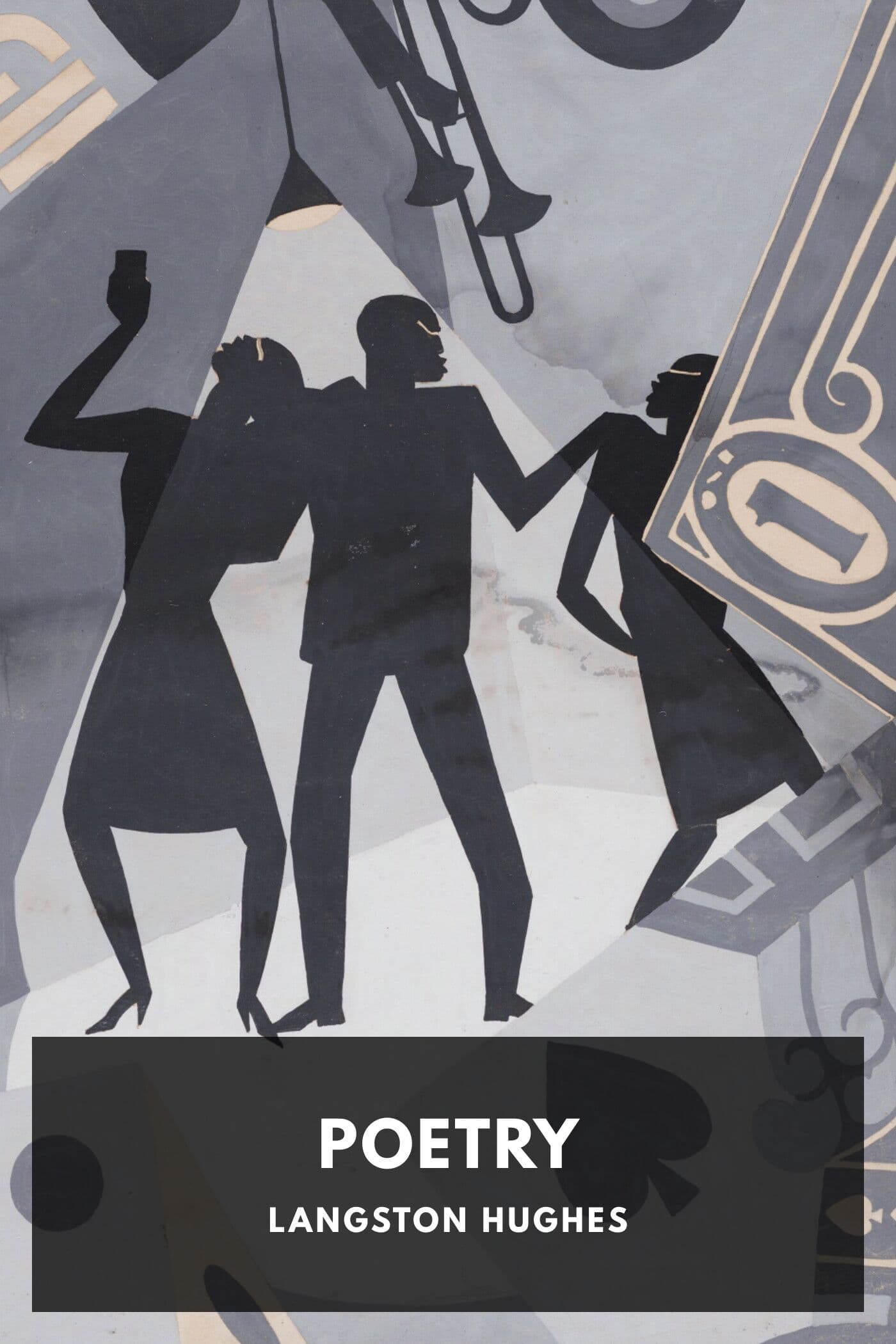
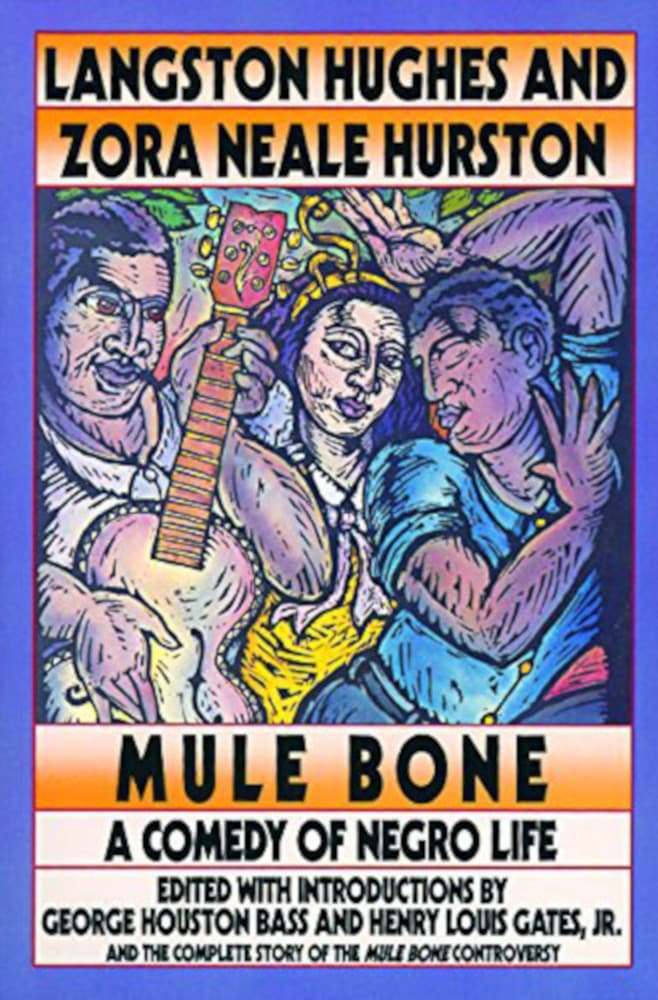
Books from the author








Link to this page
Add a free, dofollow link to Lex on your blog, forum, syllabus, or reading list.

<a href="https://lex-books.com/author/langston-hughes"><img src="https://lex-books.com/badges/read-on-lex.svg" alt="Langston Hughes on Lex" width="160" height="40"></a>[](https://lex-books.com/author/langston-hughes)[url=https://lex-books.com/author/langston-hughes][img]https://lex-books.com/badges/read-on-lex.svg[/img][/url]Langston Hughes on Lex: https://lex-books.com/author/langston-hughes