Karl Spindler
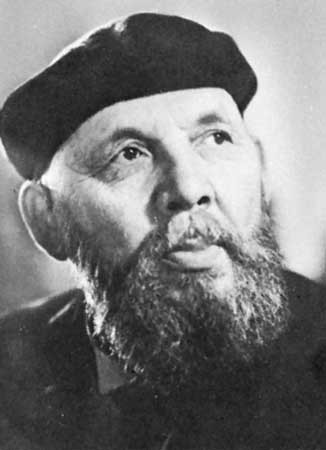
Karl Spindler was a notable figure in early 20th-century literature, particularly recognized for his works that delve into themes of rebellion and political activism. Born in 1887, Spindler's literary contributions were significantly influenced by the tumultuous historical context of his time, particularly the events surrounding the Easter Rising in Ireland. His most acclaimed works, 'Gun Running for Casement in the Easter Rebellion' and 'Gun Running for Casement,' explore the complex interplay of nationalism and the quest for independence, focusing on the controversial figure Roger Casement, who played a pivotal role in the Irish struggle against British rule. Spindler's narratives are characterized by their vivid portrayal of the struggles faced by those involved in revolutionary movements, offering a unique perspective on the moral and ethical dilemmas of armed resistance. His writings not only reflect the fervor of the Irish nationalist cause but also engage with broader themes of colonialism and human rights. Through his exploration of these issues, Spindler contributed to a deeper understanding of the motivations behind revolutionary actions and the sacrifices made in the pursuit of freedom. His legacy endures as a testament to the power of literature in articulating the aspirations and conflicts of a nation in turmoil.
Books from the author








Link to this page
Add a free, dofollow link to Lex on your blog, forum, syllabus, or reading list.

<a href="https://lex-books.com/author/karl-spindler"><img src="https://lex-books.com/badges/read-on-lex.svg" alt="Karl Spindler on Lex" width="160" height="40"></a>[](https://lex-books.com/author/karl-spindler)[url=https://lex-books.com/author/karl-spindler][img]https://lex-books.com/badges/read-on-lex.svg[/img][/url]Karl Spindler on Lex: https://lex-books.com/author/karl-spindler