Lex

Browse

GenresShelvesPremiumBlog

Company

AboutJobsPartnersSell on LexAffiliates

Audio

Lex StudioVoicesFirst chapter freeAudiobook pricingAudiobook samplesAudiobook guidesAudio blog

Resources

DocsInvite FriendsFAQ

Legal

Terms of ServicePrivacy Policygeneral@lex-books.com+1 951-551-2243WhatsApp (international)

© 2026 LexBooks, Inc. All rights reserved.

Joseph Hunter

Joseph Hunter

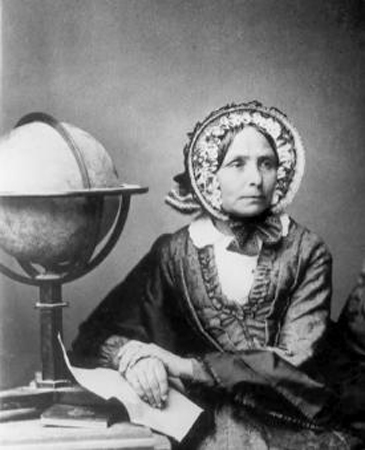
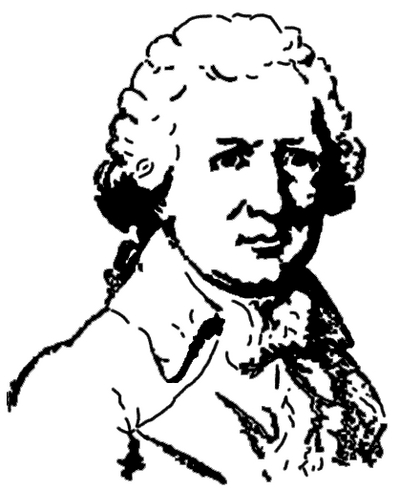
Joseph Hunter was an influential English writer and antiquarian, known for his significant contributions to the study of historical documents and local history. Born in 1783, he dedicated much of his life to researching and documenting the history of Yorkshire, particularly through his meticulous examination of manuscripts and records. His notable works include 'The History and Topography of the County of York' and 'The Hall of the North,' which provided invaluable insights into the region's past and helped to preserve its cultural heritage. Hunter's legacy lies in his pioneering methods of historical research and his commitment to local history, which set a precedent for future historians. His work not only enriched the understanding of Yorkshire's history but also influenced the broader field of antiquarian studies. Through his writings, he fostered a greater appreciation for the importance of local histories in understanding national narratives, making him a significant figure in the landscape of 19th-century historical scholarship.

Wikipedia

Joseph Hunter Guthrie (January 8, 1901 – November 11, 1974) was an American academic philosopher, writer, Jesuit, and C...

Written by Lex AI

Famous Quotes

View all 14 quotes

“The tidal current runs to and fro in its unceasing service, crowded with memories of men and ships it had borne to the rest of home or to the battles of the sea. It had known and served all the men of whom the nation is proud, from Sir Francis Drake to Sir John Franklin, knights all, titled and untitled--the great knights-errant of the sea. It had borne all the ships whose names are like jewels flashing in the night of time, from the Golden Hind returning with her round flanks full of treasure, to be visited by the Queen's Highness and thus pass out of the gigantic tale, to the Erebus and Terror, bound on other conquests--and that never returned. It had known the ships and the men. They had sailed from Deptford, from Greenwich, from Erith--the adventures and the settlers; kings' ships and the ships of men on 'Change; captains, admirals, the dark "interlopers" of the Eastern trade, and the commissioned "generals" of East India fleets. Hunters for gold or pursuers of fame, they all had gone out on that stream, bearing the sword, and often the torch, messengers of the might within the land, bearers of a spark from the sacred fire. What greatness had not floated on the ebb of that river into the mystery of an unknown earth!...The dreams of men, the seed of commonwealth, the germs of empires.””

Heart of Darkness

“Hunters for gold or pursuers of fame, they all had gone out on that stream, bearing the sword, and often the torch, messengers of the might within the land, bearers of a spark from the sacred fire.””

Heart of Darkness

“For many Westerners, “it’s natural” seems to mean “it’s good.” This view is wrong and comes from shopping in supermarkets and living in landscaped environments. Plants evolved toxins to deter animals, fungi, and bacteria from eating them. The list of “natural” foods that need processing to detoxify them goes on and on. Early potatoes were toxic, and the Andean peoples ate clay to neutralize the toxin. Even beans can be toxic without processing. In California, many hunter-gatherer populations relied on acorns, which, similar to manioc, require a labor intensive, multiday leaching process. Many small-scale societies have similarly exploited hardy, tropical plants called cycads for food. But cycads contain a nerve toxin. If not properly processed, they can cause neurological symptoms, paralysis, and death. Numerous societies, including hunter-gatherers, have culturally evolved an immense range of detoxification techniques for cycads. By contrast with our species, other animals have far superior abilities to detoxify plants. Humans, however, lost these genetic adaptations and evolved a dependence on cultural know-how, just to eat.””

The Secret of Our Success: How Culture Is Driving Human Evolution, Domesticating Our Species, and Making Us Smarter

Books from the author

Pope, HisDescent andFamilyConnectio...

Joseph Hunter

More authors like this

right arrow
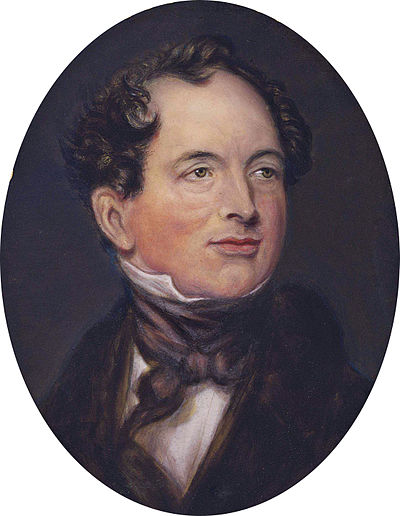
Thomas Moore
Thomas Moore
1779-1852
Dr. Doran
Dr. Doran
1807-1878
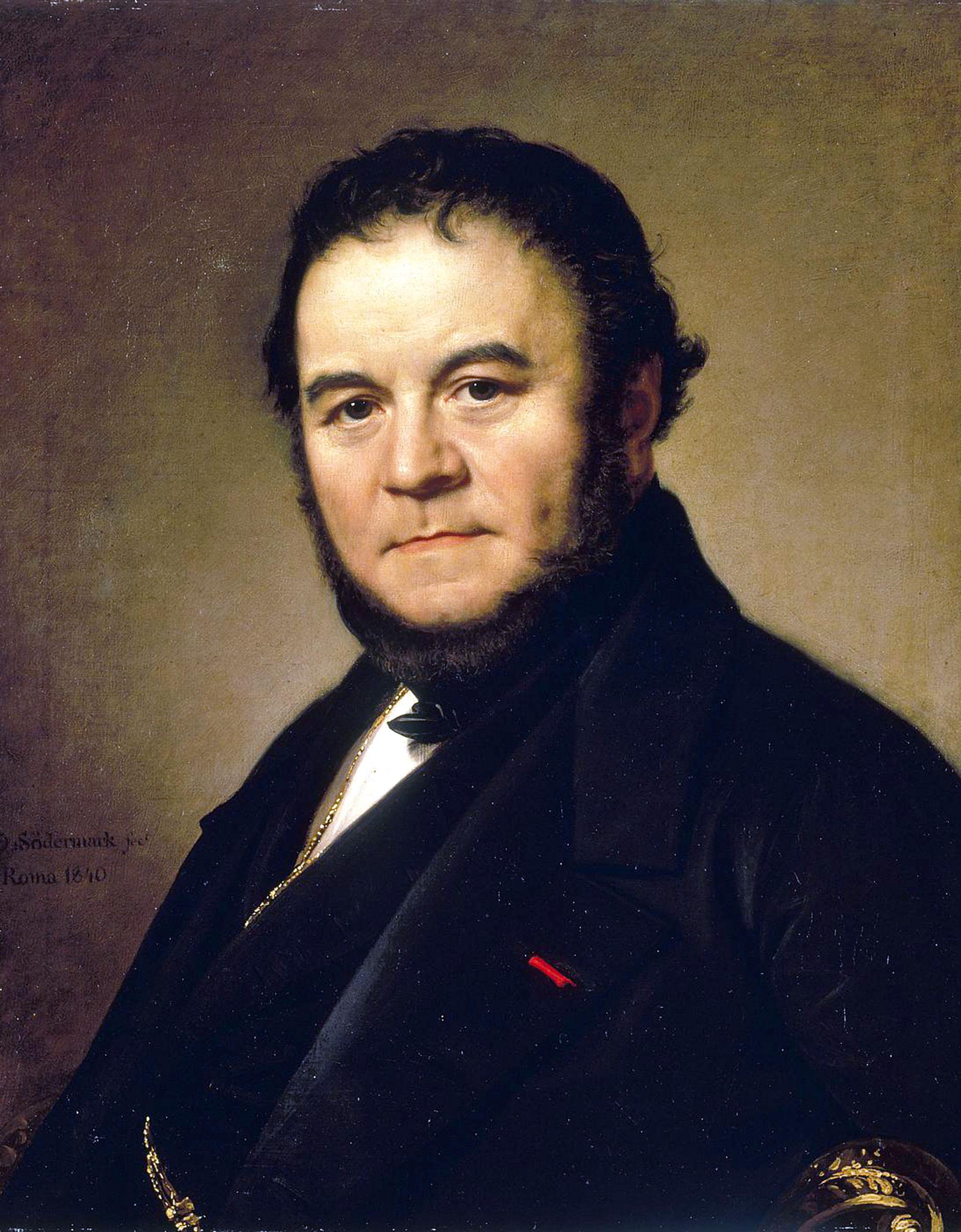
Stendhal
Stendhal
1783-1842
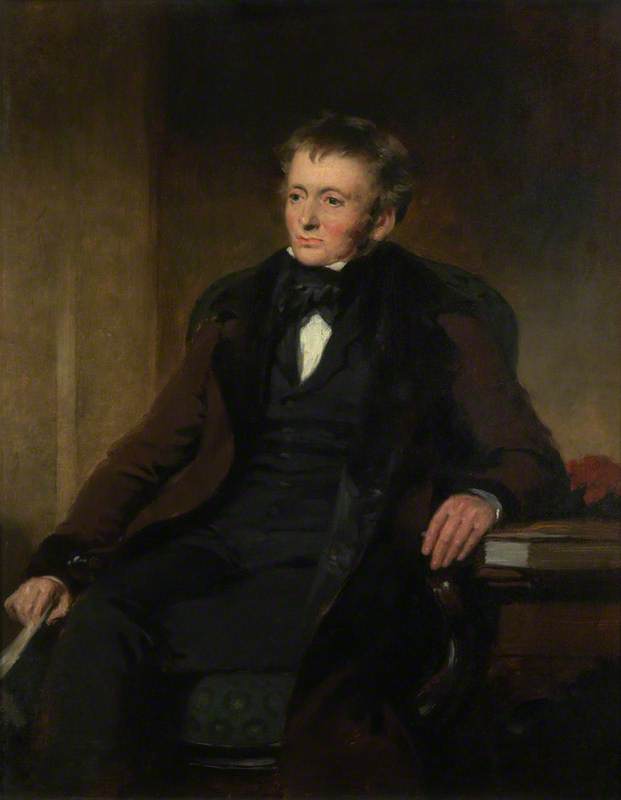
Thomas De Quincey
Thomas De Quincey
1785-1859
J. Church
J. Church
1780-1825
François Guizot
François Guizot
1787-1874
Richard Cannon
Richard Cannon
1779-1865
Ida Saint-Elme
Ida Saint-Elme
1778-1845
Louis Constant Wairy
1778-1845
Auguste Frédéric Louis Viesse de, duc de Raguse Marmont
1774-1852
Dorothée, duchesse de Dino
1793-1862
Samuel G. Goodrich
Samuel G. Goodrich
1793-1860
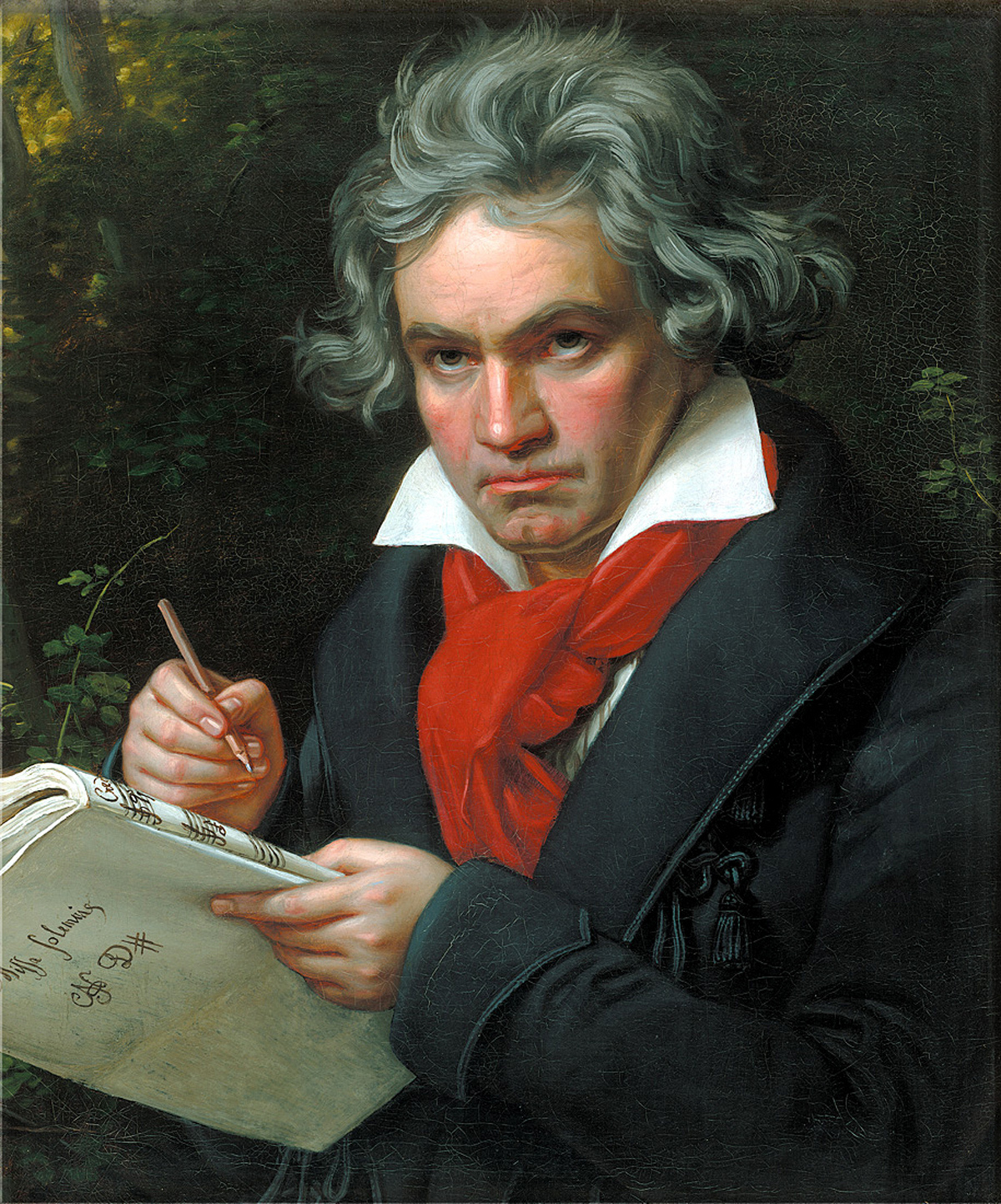
Ludwig van Beethoven
1770-1827
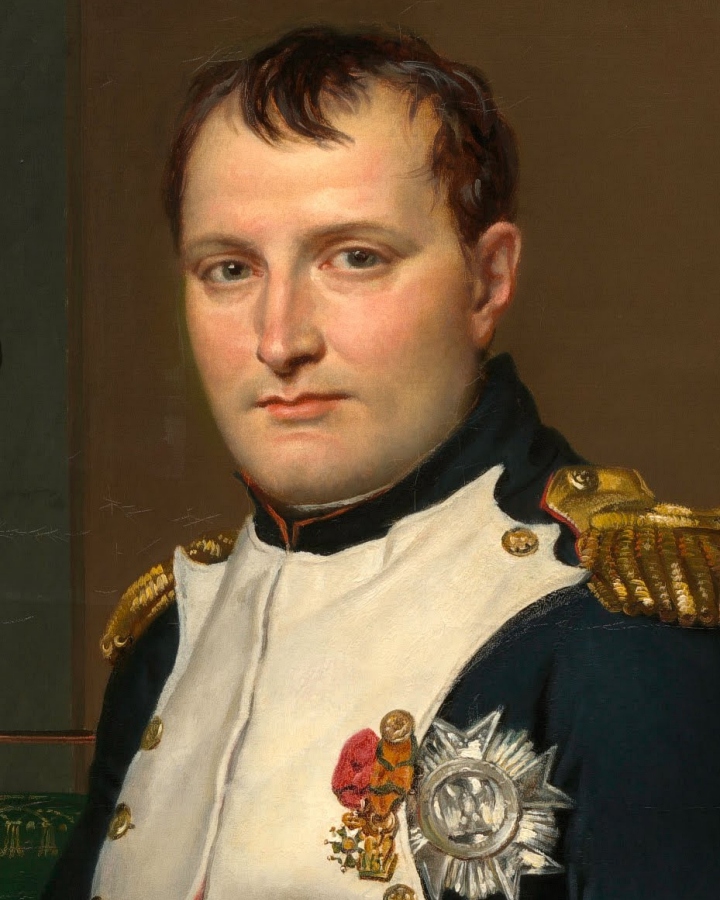
Emperor of the French Napoleon I
1769-1821
Ida Pfeiffer
Ida Pfeiffer
1797-1858
Louis Antoine Fauvelet de Bourrienne
1769-1834

Link to this page

Add a free, dofollow link to Lex on your blog, forum, syllabus, or reading list.

Joseph Hunter on Lex
HTML
<a href="https://lex-books.com/author/joseph-hunter"><img src="https://lex-books.com/badges/read-on-lex.svg" alt="Joseph Hunter on Lex" width="160" height="40"></a>
Markdown
[![Joseph Hunter on Lex](https://lex-books.com/badges/read-on-lex.svg)](https://lex-books.com/author/joseph-hunter)
BBCode
[url=https://lex-books.com/author/joseph-hunter][img]https://lex-books.com/badges/read-on-lex.svg[/img][/url]
Plain link
Joseph Hunter on Lex: https://lex-books.com/author/joseph-hunter