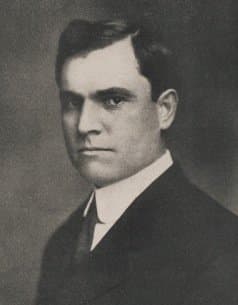
Joseph Fort Newton
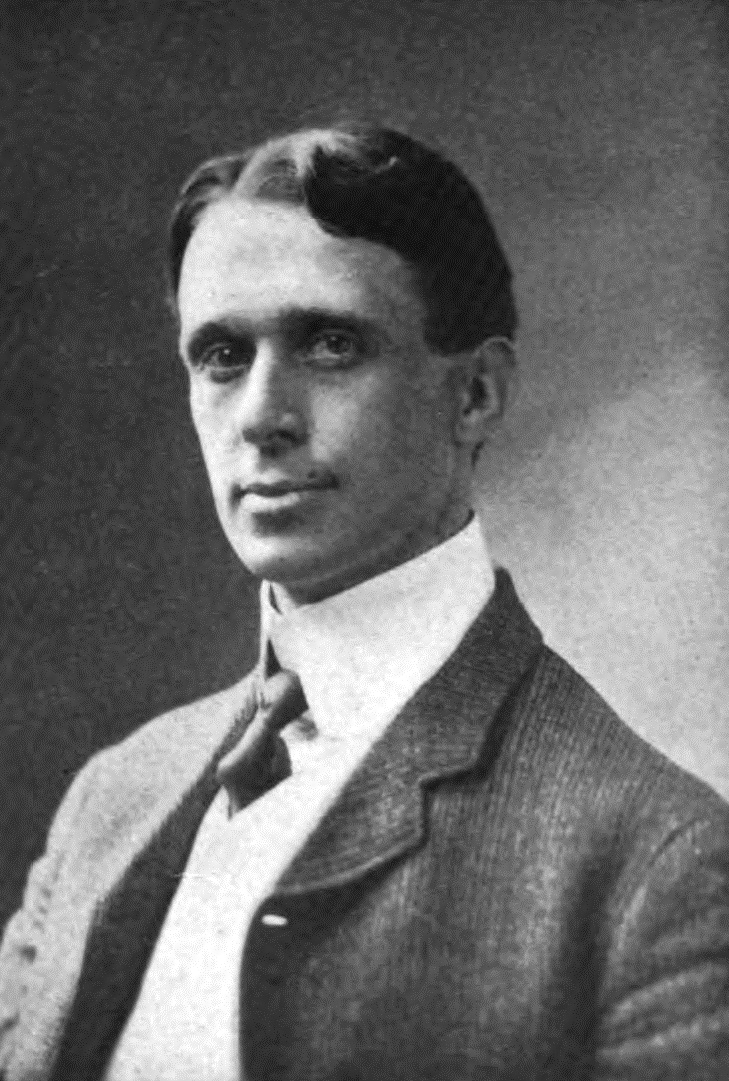
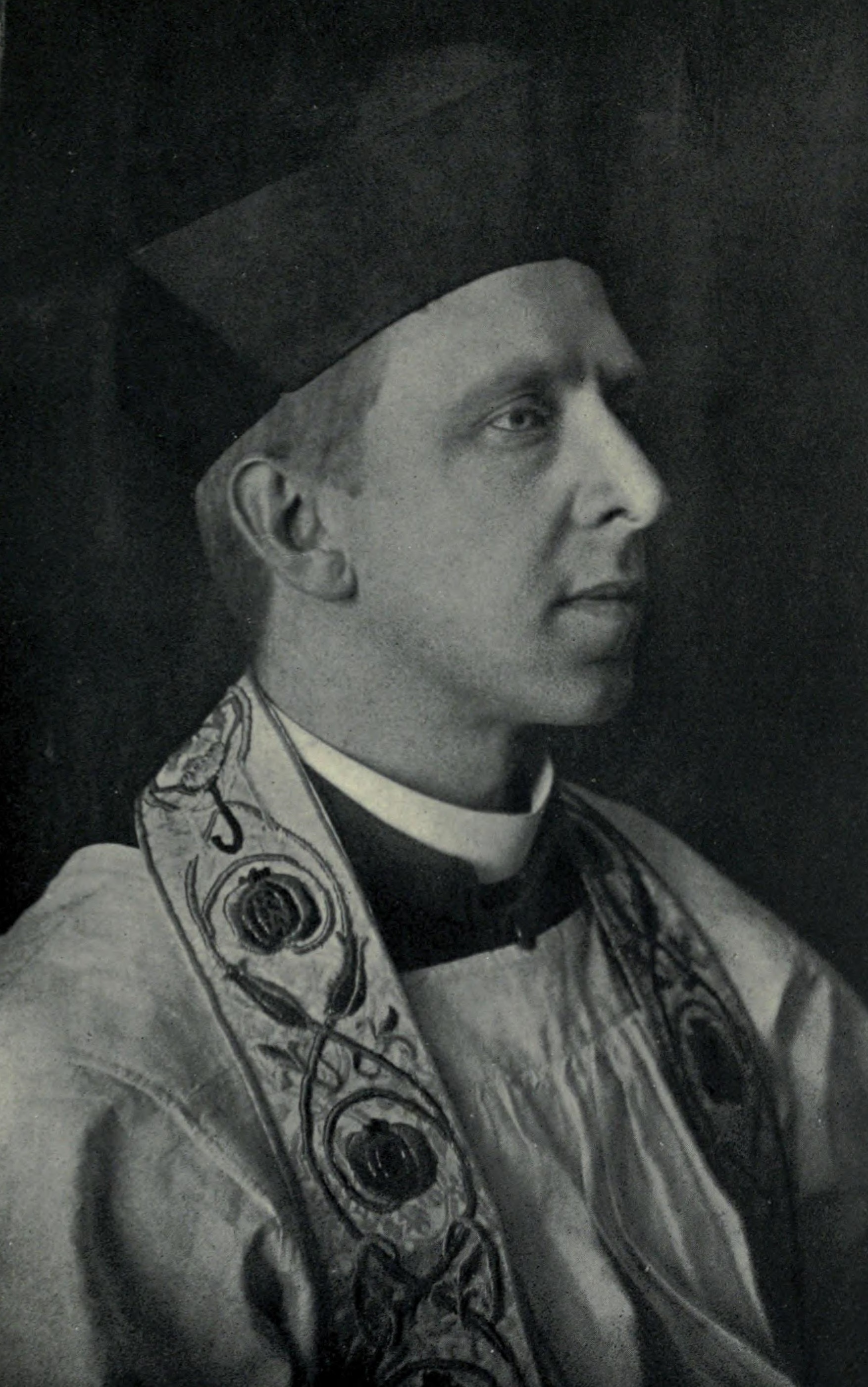
Joseph Fort Newton was an influential American Protestant minister and a significant figure in Masonic literature. He began his religious journey as a Baptist minister in 1895 but later transitioned to non-sectarian and universalist churches. By 1926, he had become a deacon and priest in the Episcopal Church, reflecting his broad theological interests and commitment to inclusivity in faith. Newton's writings often explored the intersections of spirituality and morality, emphasizing the importance of personal experience in the pursuit of truth. Newton is best known for his works on Freemasonry, where he sought to illuminate its philosophical underpinnings and moral teachings. His notable works include "The Builders," which delves into the history and significance of Masonic traditions, and "The Meaning of Masonry," where he articulates the deeper spiritual dimensions of the Masonic experience. Through his writings, Newton not only contributed to Masonic literature but also engaged with broader themes of humanism and ethical living, leaving a lasting impact on both religious and secular audiences. His legacy endures in the realms of Masonic thought and interfaith dialogue, where he is remembered for his efforts to bridge divides and promote understanding among diverse belief systems.
Famous Quotes
View all 3 quotes“Men build too many walls and not enough bridges.”
“Time is a river...and books are boats. Many volumes start down that stream, only to be wrecked and lost beyond recall in its sands. Only a few, a very few, endure the testings of time and live to bless the ages following.”
“We can not tell what may happen to you in the strange medley of life. But we can decide what happens to us, how we take it, what we do with it and that is what really counts in the end.”
Books from the author

Link to this page
Add a free, dofollow link to Lex on your blog, forum, syllabus, or reading list.

<a href="https://lex-books.com/author/joseph-fort-newton"><img src="https://lex-books.com/badges/read-on-lex.svg" alt="Joseph Fort Newton on Lex" width="160" height="40"></a>[](https://lex-books.com/author/joseph-fort-newton)[url=https://lex-books.com/author/joseph-fort-newton][img]https://lex-books.com/badges/read-on-lex.svg[/img][/url]Joseph Fort Newton on Lex: https://lex-books.com/author/joseph-fort-newton