
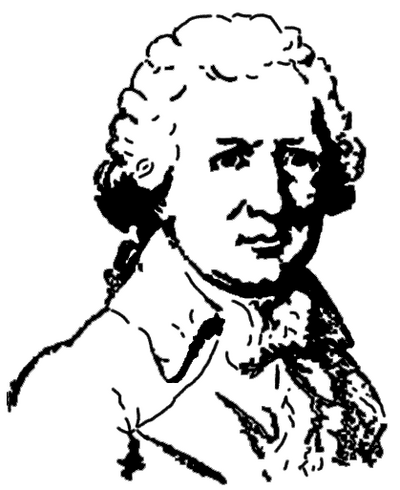
John Moore
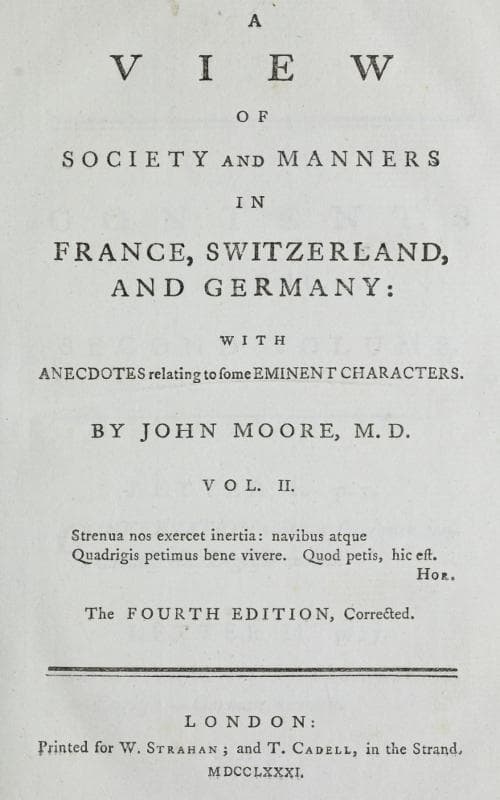
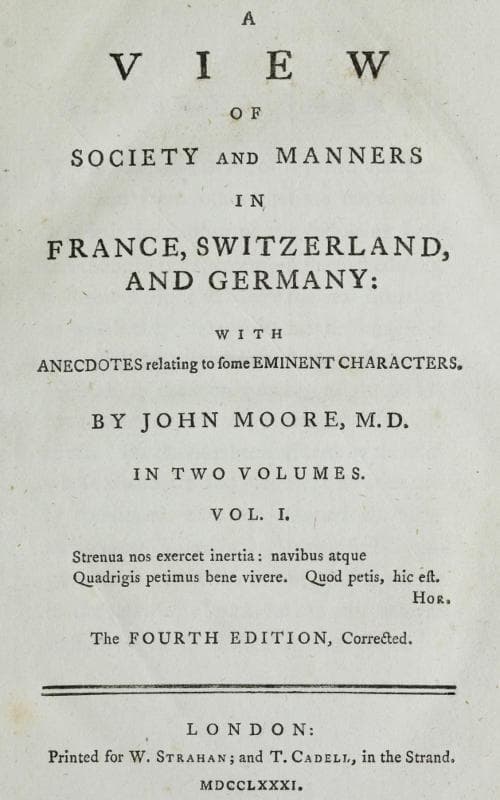
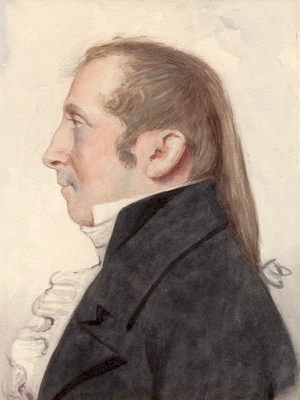
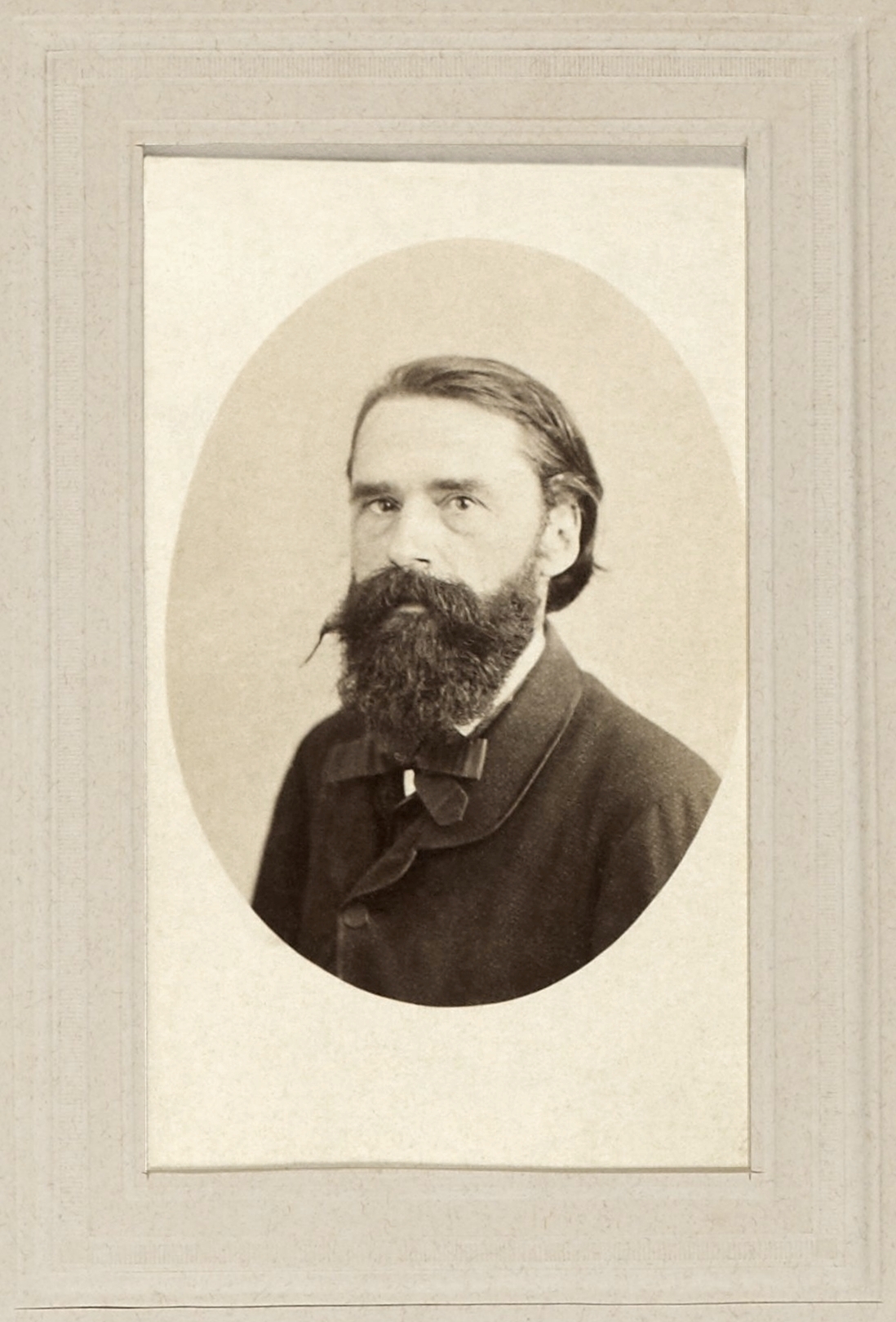
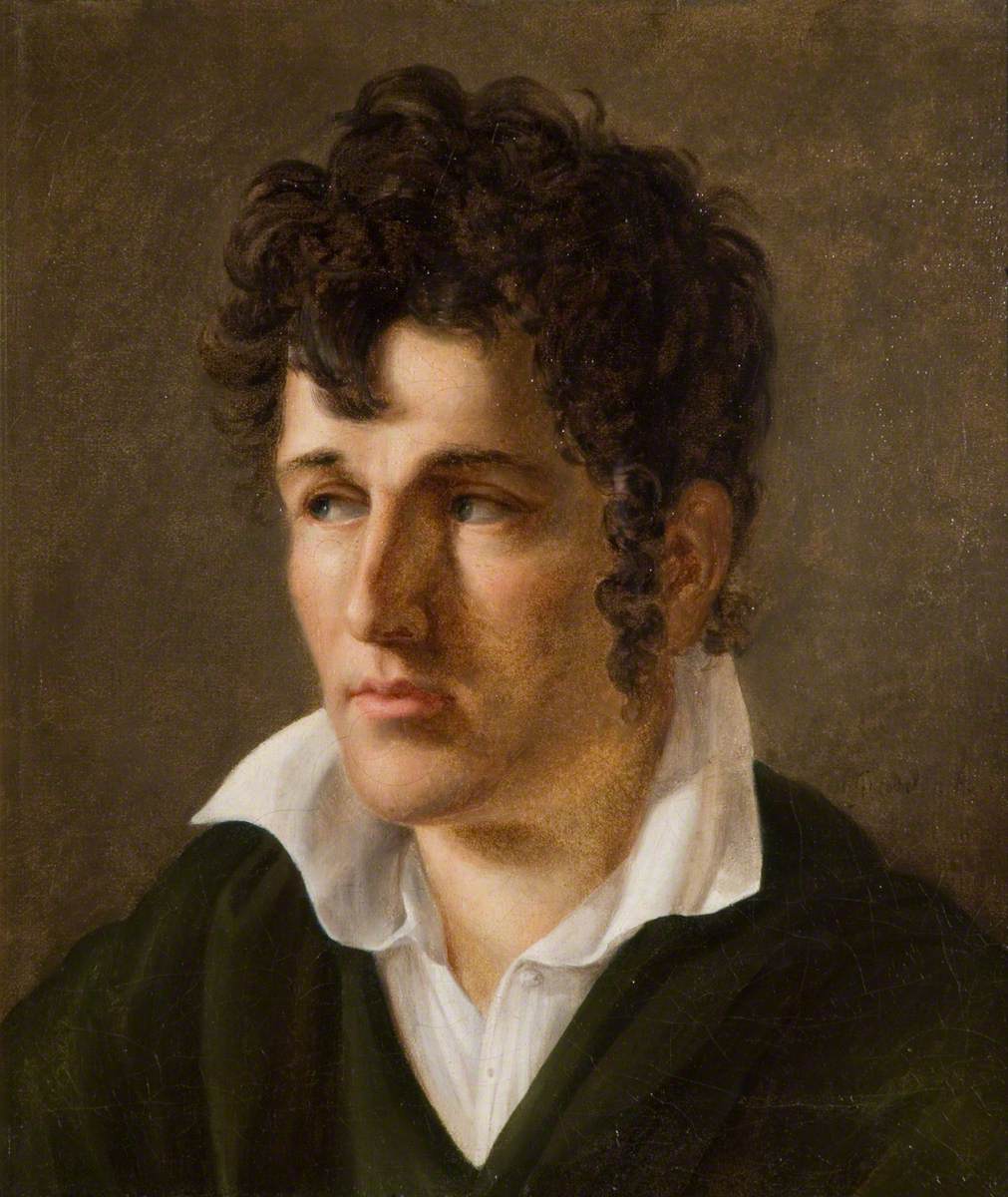
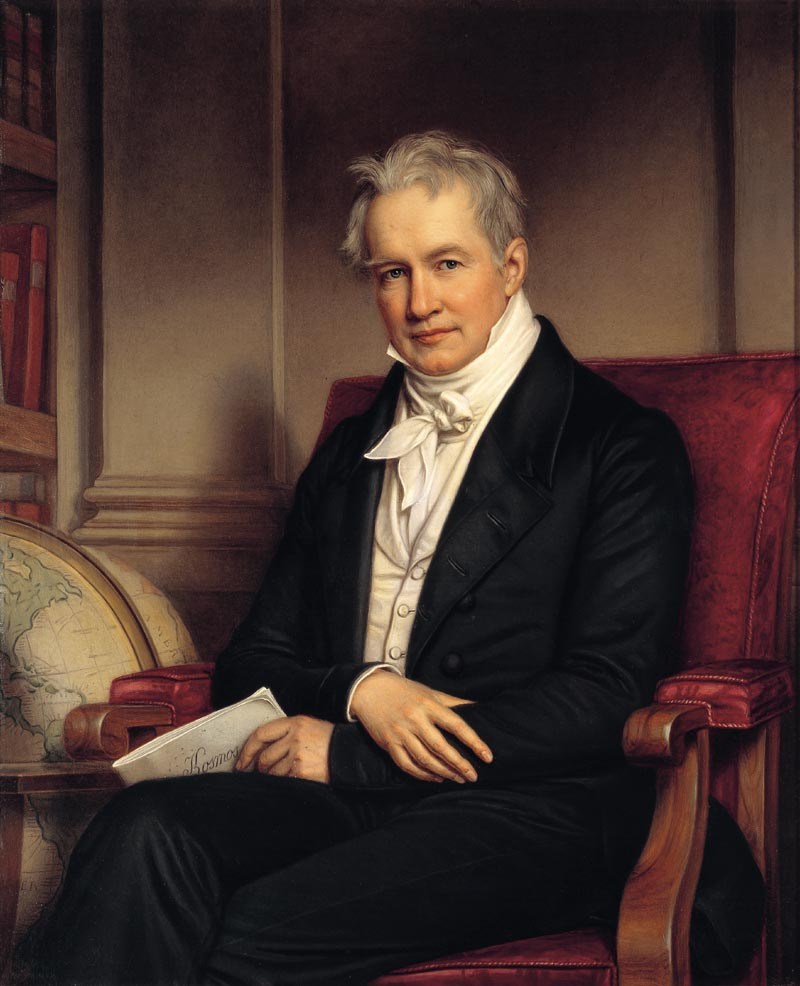
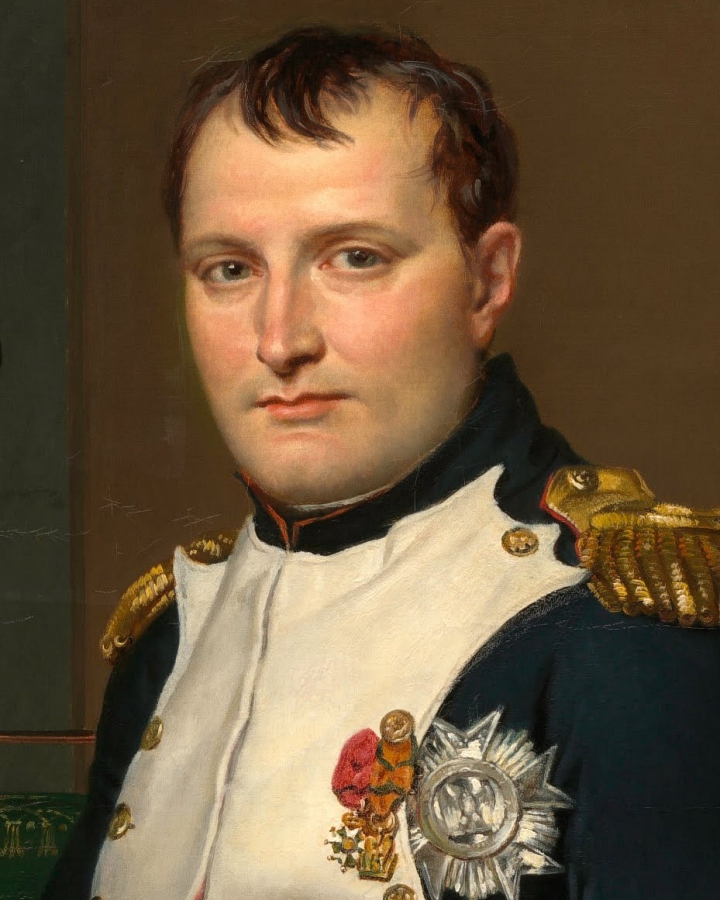
John Moore was an influential Scottish novelist and physician, known for his contributions to early English literature in the 18th century. Born in 1729, he pursued a career in medicine while simultaneously nurturing his passion for writing. His most notable work, "Zeluco," published in 1789, is a novel that explores the complexities of human nature through its morally ambiguous characters. This work is often regarded as one of the first psychological novels, delving into themes of passion, obsession, and the darker aspects of the human psyche. Moore's writing style combined vivid characterizations with a keen understanding of moral dilemmas, setting a precedent for future literary explorations of psychological depth. In addition to "Zeluco," Moore also authored "The Life of John Moore," a memoir that reflects on his experiences and thoughts, further establishing his literary voice. His works contributed to the evolution of the novel as a form, influencing contemporaries and later authors in their approach to character development and narrative complexity. Moore's legacy lies in his ability to intertwine his medical knowledge with literary creativity, offering insights into the human condition that resonate through the ages.
Famous Quotes
View all 2 quotes“In 1924, being then well over fifty, he courted, in a boisterous and highly indecorous fashion which you shall hear of later, the cook from Brensham Rectory. The Rector’s reluctance to marry them (for she was an excellent cook) was offset by his suspicion that there was a child on the way; and sure enough the child was born five months later, and was christened, perhaps inappropriately, with the name of Prudence.”
“Life in him had been like a yeast, ever fermenting and renewing itself and furiously working again.”
Books from the author







Link to this page
Add a free, dofollow link to Lex on your blog, forum, syllabus, or reading list.

<a href="https://lex-books.com/author/john-moore"><img src="https://lex-books.com/badges/read-on-lex.svg" alt="John Moore on Lex" width="160" height="40"></a>[](https://lex-books.com/author/john-moore)[url=https://lex-books.com/author/john-moore][img]https://lex-books.com/badges/read-on-lex.svg[/img][/url]John Moore on Lex: https://lex-books.com/author/john-moore