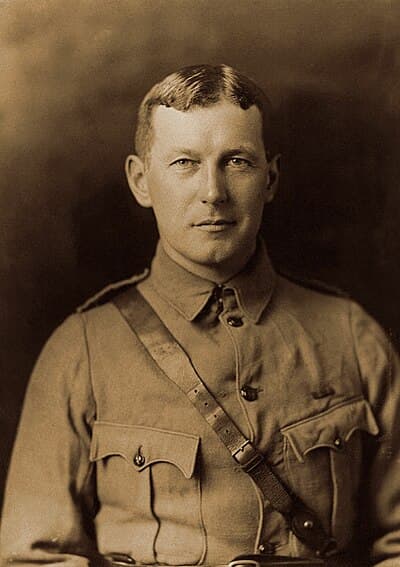
John McCrae
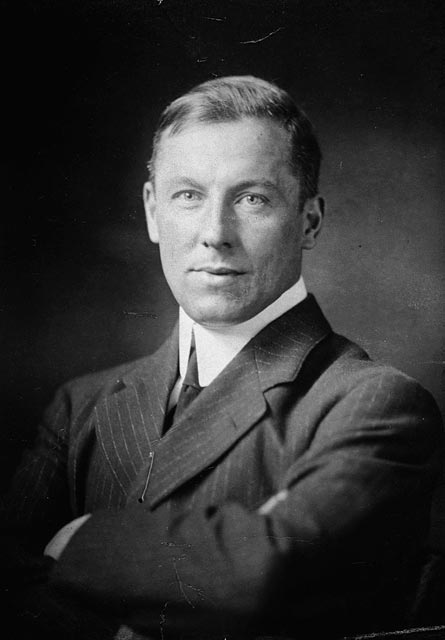
Lieutenant-Colonel John McCrae was a Canadian poet, physician, and soldier whose experiences in World War I profoundly shaped his literary legacy. Serving as a surgeon during the Second Battle of Ypres, he witnessed the horrors of war firsthand, which inspired his most renowned work, "In Flanders Fields." This poignant poem, written in 1915, serves as a powerful lament for fallen soldiers and has become a symbol of remembrance for those who lost their lives in battle. McCrae's ability to convey deep emotion through vivid imagery and poignant themes of sacrifice and loss has solidified his place in literary history. Beyond his poetry, McCrae was also an accomplished artist and a dedicated medical professional. His contributions to literature and medicine were cut short when he succumbed to pneumonia in 1918, just before the war's end. McCrae's legacy endures not only through his iconic poem but also as a representation of the many voices of soldiers who grappled with the realities of war. His work continues to resonate, reminding future generations of the cost of conflict and the importance of remembrance.
Famous Quotes
View all 3 quotes“In Flanders fields the poppies blow Between the crosses, row on row That mark our place; and in the sky The larks, still bravely singing, fly Scarce heard amid the guns below We are the Dead. Short days ago We lived, felt dawn saw sunset glow Loved and were loved, and now we lie In Flanders fields Take up our quarrel with the foe; To you, from falling hands we throw The torch; be yours to hold it high If ye break faith with us who die We shall not sleep, though poppies grow In Flanders fields.”
“Like restless birds, the breath of coming rain Creeps, lilac-laden, up the village street”
“Take up our quarrel with the foe: To you from failing hands we throw The torch; be yours to hold it high. If ye break faith with us who die We shall not sleep, though poppies grow In Flanders fields.”
Books from the author



Link to this page
Add a free, dofollow link to Lex on your blog, forum, syllabus, or reading list.

<a href="https://lex-books.com/author/john-mccrae"><img src="https://lex-books.com/badges/read-on-lex.svg" alt="John McCrae on Lex" width="160" height="40"></a>[](https://lex-books.com/author/john-mccrae)[url=https://lex-books.com/author/john-mccrae][img]https://lex-books.com/badges/read-on-lex.svg[/img][/url]John McCrae on Lex: https://lex-books.com/author/john-mccrae