In Flanders Fields, and Other Poems
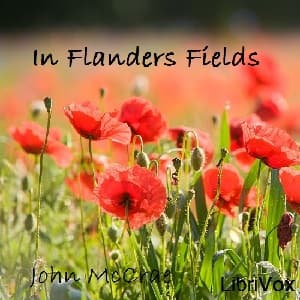
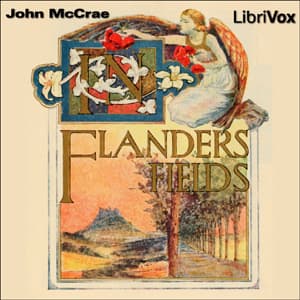
The most famous war poem in the English language begins with poppies blowing among the crosses. This is that poem, and this is the collection it anchors. John McCrae wrote "In Flanders Fields" in 1915, after serving as a field surgeon in the Second Battle of Ypres, where he witnessed carnage so severe he handed his notebook to a friend and said he could not write those things. Yet he did. The poem asks the living a question that has echoed for over a century: shall we break faith? The dead speak from their graves, the poppies sway, the larks rise unseen above the slaughter. This is not sentiment. It is a command wrapped in beauty, a grief that demands to be honored through action. The complete collection adds seventeen other poems, each carrying the weight of a physician who held dying men in his arms. Sir Andrew Macphail's essay provides the context: McCrae's brief life, his contradictions, the war that consumed him at forty-six. What emerges is a document that functions as both memorial and warning. The poppy has become the symbol of remembrance in ways McCrae could never have imagined. But the poems themselves remain startling: fierce, unflinching, shot through with the same terrible beauty that made a doctor reach for language in the middle of hell. For anyone who has ever stood at a cenotaph on November 11th and wondered why poppies.
Editions
X-Ray
“Like restless birds, the breath of coming rainCreeps, lilac-laden, up the village street””
— John McCrae
“I LEFT, to earth, a little maiden fair,With locks of gold, and eyes that shamed the light;I prayed that God might have her in His careAnd sight.Earth's love was false; her voice, a siren's song;(Sweet mother-earth was but a lying name)The path she showed was but the path of wrongAnd shame."Cast her not out!" I cry. God's kind words come -- -"Her future is with Me, as was her past;It shall be My good will to bring her homeAt last.””
— John McCrae
“MY LOVER died a century ago,Her dear heart stricken by my sland'rous breath,Wherefore the Gods forbade that I should knowThe peace of death.Men pass my grave, and say, "'Twere well to sleep,Like such an one, amid the uncaring dead!"How should they know the vigils that I keep,The tears I shed?Upon the grave, I count with lifeless breath,Each night, each year, the flowers that bloom and die,Deeming the leaves, that fall to dreamless death,More blest than I.'Twas just last year -- - I heard two lovers passSo near, I caught the tender words he said:To-night the rain-drenched breezes sway the grass; Above his head.That night full envious of his life was I,That youth and love should stand at his behest;To-night, I envy him, that he should lieAt utter rest.””
— John McCrae
“Win the ship a name of glory, win the men a death of grace””
— John McCrae
“Be comforted! No grief of night can weighAgainst the joys that throng thy coming day.””
— John McCrae
Link to this book
Add a free, dofollow link to Lex on your blog, forum, syllabus, or reading list.

<a href="https://lex-books.com/book/in-flanders-fields-and-other-poems-e0704276-56b3-4e21-8f9b-99ad5002143a"><img src="https://lex-books.com/badges/read-on-lex.svg" alt="Read In Flanders Fields, and Other Poems by John McCrae free on Lex" width="160" height="40"></a>[](https://lex-books.com/book/in-flanders-fields-and-other-poems-e0704276-56b3-4e21-8f9b-99ad5002143a)[url=https://lex-books.com/book/in-flanders-fields-and-other-poems-e0704276-56b3-4e21-8f9b-99ad5002143a][img]https://lex-books.com/badges/read-on-lex.svg[/img][/url]Read In Flanders Fields, and Other Poems by John McCrae free on Lex: https://lex-books.com/book/in-flanders-fields-and-other-poems-e0704276-56b3-4e21-8f9b-99ad5002143aCite this book
Reading this edition for a paper or guide? Copy a citation.
McCrae, John. In Flanders Fields, and Other Poems. Lex, lex-books.com/book/in-flanders-fields-and-other-poems-e0704276-56b3-4e21-8f9b-99ad5002143a.McCrae, J. (n.d.). In Flanders Fields, and Other Poems. Lex. https://lex-books.com/book/in-flanders-fields-and-other-poems-e0704276-56b3-4e21-8f9b-99ad5002143aMcCrae, John. In Flanders Fields, and Other Poems. Lex. https://lex-books.com/book/in-flanders-fields-and-other-poems-e0704276-56b3-4e21-8f9b-99ad5002143a.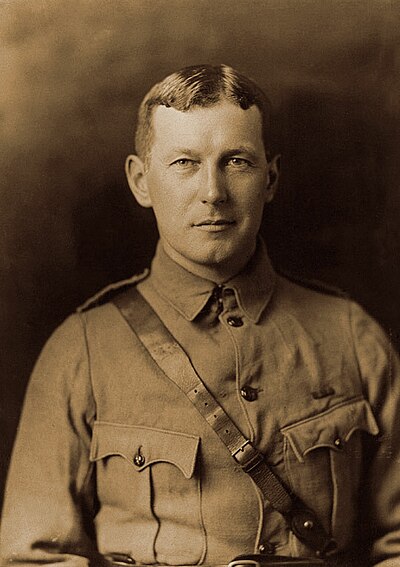





![Birds and Nature, Vol. 12 No. 1 [June 1902]illustrated by Color Photography](/_next/image?url=https%3A%2F%2Fd3b2n8gj62qnwr.cloudfront.net%2FCOVERS%2Fgutenberg_covers75k%2Febook-47881.png&w=3840&q=75)