John Law
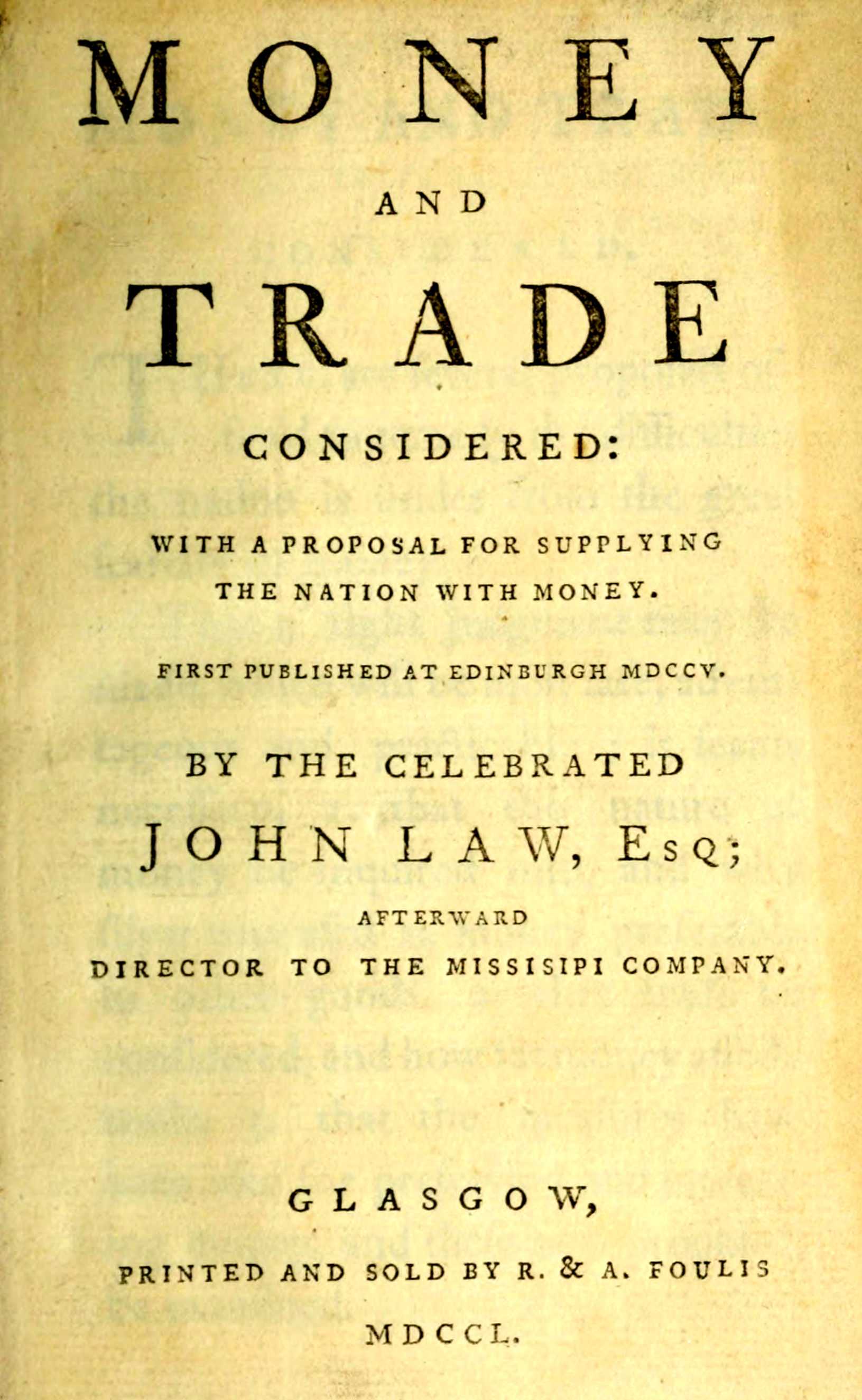
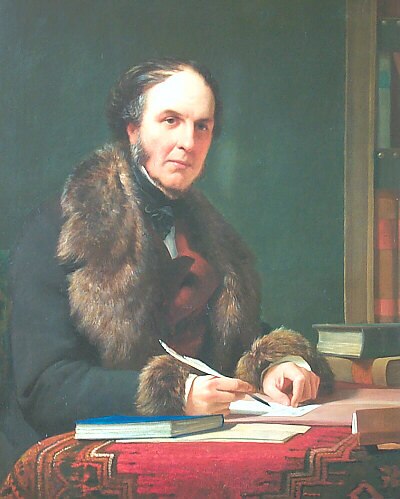
John Law was a Scottish economist and financier, best known for his pioneering ideas on monetary theory and banking. Born in Edinburgh, Law's early life was marked by a fascination with finance, which led him to develop radical economic theories that challenged the prevailing mercantilist views of his time. His most significant contribution came through the establishment of the Banque Générale in France, which was the first bank to issue paper money, fundamentally altering the landscape of European finance. Law's economic policies aimed to stimulate trade and industry, but they ultimately resulted in the infamous Mississippi Bubble, a financial crisis that led to his downfall and exile from France. Despite the controversies surrounding his life and work, Law's influence on modern economics is undeniable. His ideas about the relationship between money supply and economic activity laid the groundwork for later economic thought, particularly in the realms of banking and currency. Law's legacy is a complex one; while he faced criticism for his speculative ventures, his innovative approaches to finance and monetary policy have earned him a place in the history of economic theory, influencing both contemporary and future economists.
Famous Quotes
View all 16 quotes“I imagined the Augustus Waters analysis of that comment: If I am playing basketball in heaven, does that imply a physical location of a heaven containing physical basketballs? Who makes the basketballs in question? Are there less fortunate souls in heaven who work in a celestial basketball factory so that I can play? Or did an omnipotent God create the basketballs out of the vacuum of space? Is this heaven in some kind of unobservable universe where the laws of physics don't apply, and if so, why in the hell would I be playing basketball when I could be flying or reading or looking at beautiful people or something else I actually enjoy? It's almost as if the way you imagine my dead self says more about you than either the person I was or whatever I am now.””
“It is more important that innocence be protected than it is that guilt be punished, for guilt and crimes are so frequent in this world that they cannot all be punished.But if innocence itself is brought to the bar and condemned, perhaps to die, then the citizen will say, 'whether I do good or whether I do evil is immaterial, for innocence itself is no protection,' and if such an idea as that were to take hold in the mind of the citizen that would be the end of security whatsoever.””
“Simplicity is about subtracting the obvious and adding the meaningful.””
Books from the author




Link to this page
Add a free, dofollow link to Lex on your blog, forum, syllabus, or reading list.

<a href="https://lex-books.com/author/john-law"><img src="https://lex-books.com/badges/read-on-lex.svg" alt="John Law on Lex" width="160" height="40"></a>[](https://lex-books.com/author/john-law)[url=https://lex-books.com/author/john-law][img]https://lex-books.com/badges/read-on-lex.svg[/img][/url]John Law on Lex: https://lex-books.com/author/john-law