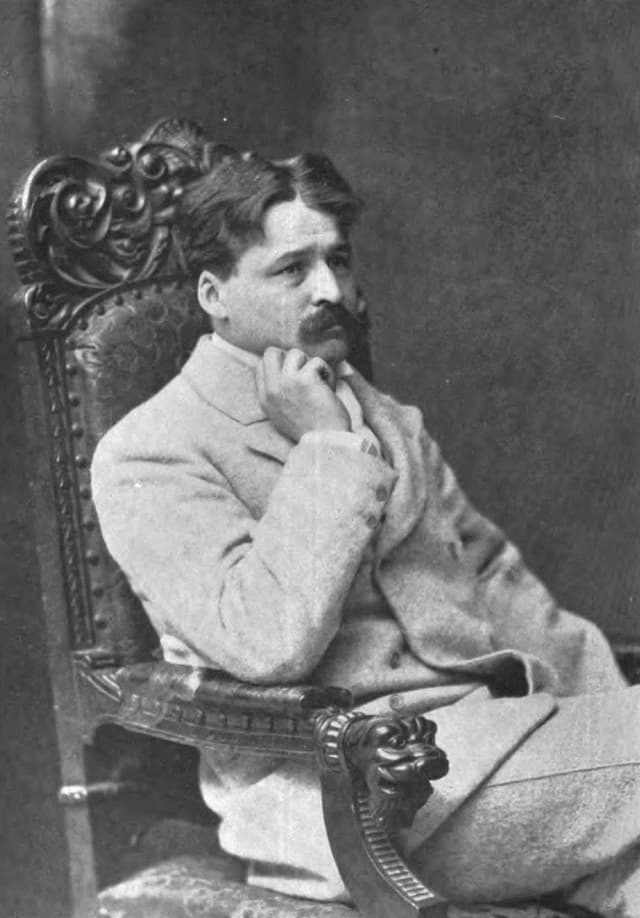
John Jay Chapman
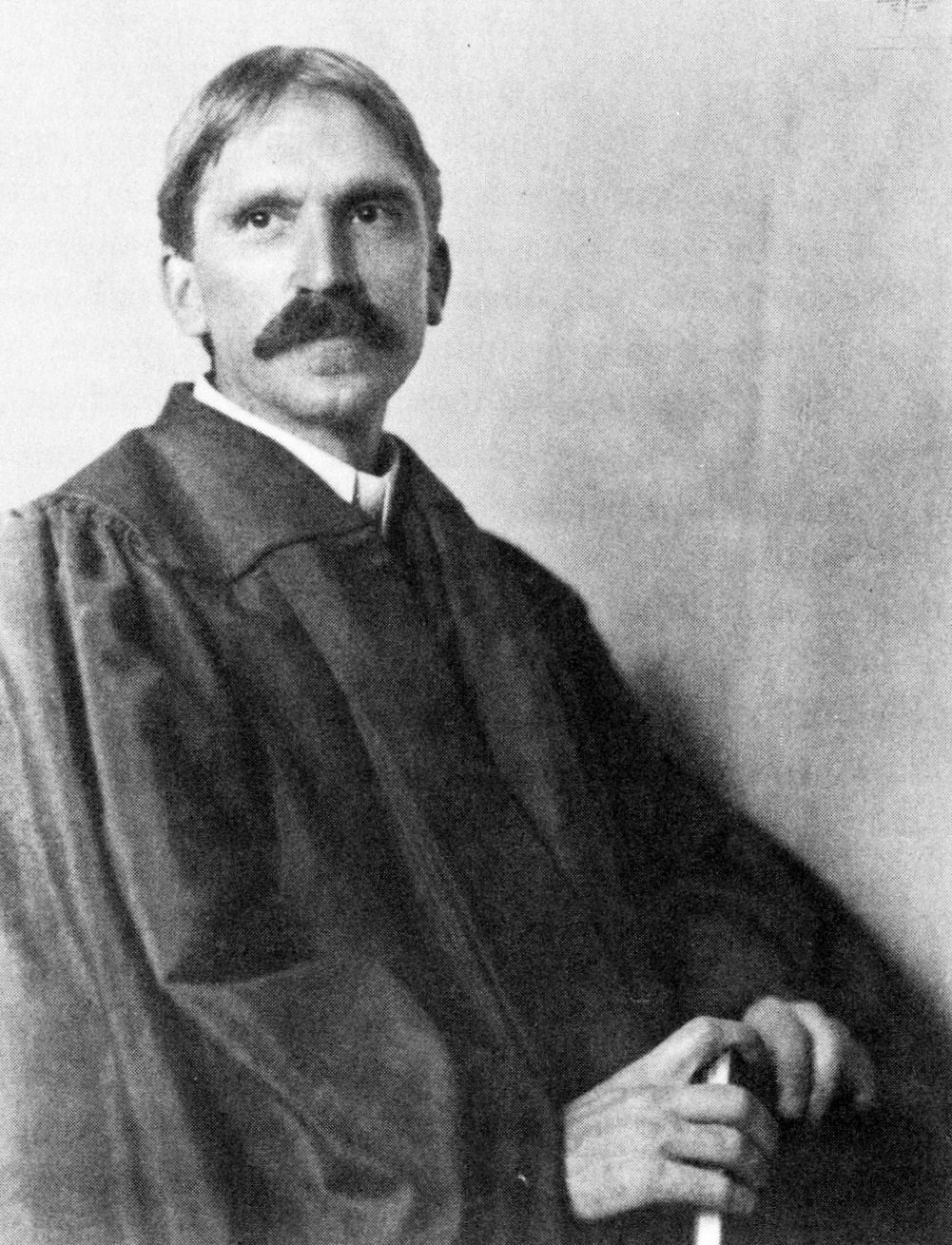
John Jay Chapman was an influential American writer known for his essays, poetry, and plays that often explored themes of social justice and individualism. Born in New York City, he was educated at Harvard University, where he developed a keen interest in literature and philosophy. Chapman's literary career spanned several genres, but he is particularly noted for his essays that critiqued contemporary society and politics, reflecting his deep engagement with the issues of his time. His works, such as 'The New Hope' and 'The American Scene', showcased his belief in the potential for societal reform and the importance of moral integrity in public life. Chapman's significance lies not only in his literary contributions but also in his role as a public intellectual. He was a vocal advocate for progressive causes, including women's suffrage and labor rights, and his writings often served as a platform for these ideals. His ability to blend literary artistry with social commentary made him a notable figure in the American literary landscape of the early 20th century. Chapman's legacy continues to be felt, as his work inspired future generations of writers and activists who sought to address the moral and ethical challenges of their own times.
Famous Quotes
View all 3 quotes“The radicals are really always saying the same thing. They do not change; everybody else changes. They are accused of the most incompatible crimes, of egoism and mania for power, indifference to the fate of their own cause, fanaticism, triviality, want of humor, buffoonery and irreverence. But they sound a certain note. Hence the great practical power of consistent radicals. To all appearance nobody follows them, yet everyone believes them. They hold a tuning-fork and sound A, and everybody knows it really is A, though the time-honored pitch is G flat. The community cannot get that A out of its head. Nothing can prevent an upward tendency in the popular tone so long as the real A is kept sounding.”
“When a man talks with absolute sincerity and freedom he goes on a voyage of discovery. The whole company has shares in the enterprise.”
“There are plenty of people to whom the crucial problems of their lives never get presented in terms they can understand.”
Books from the author
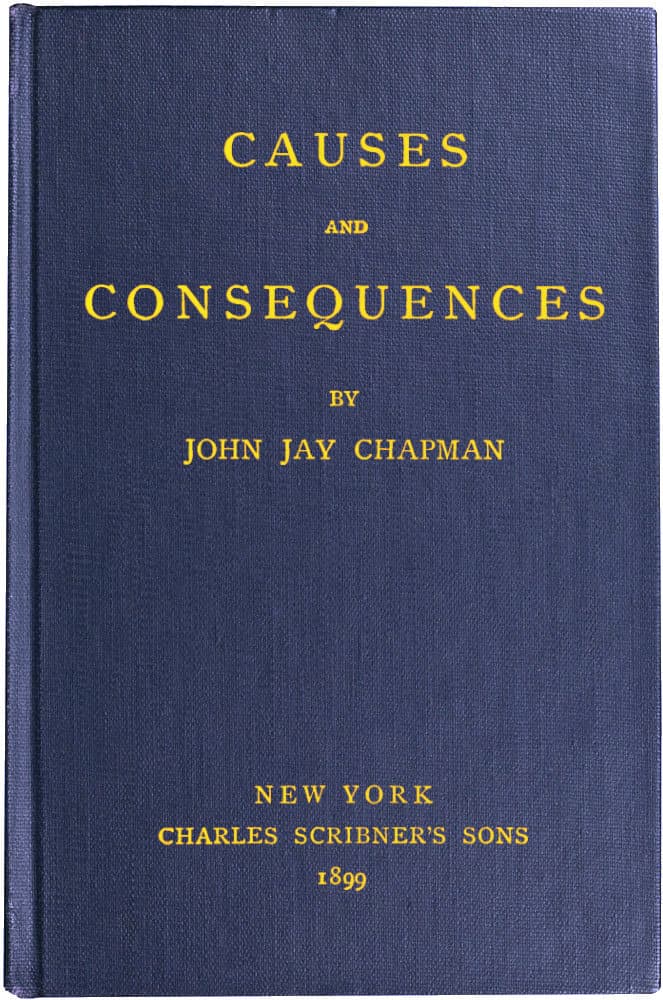
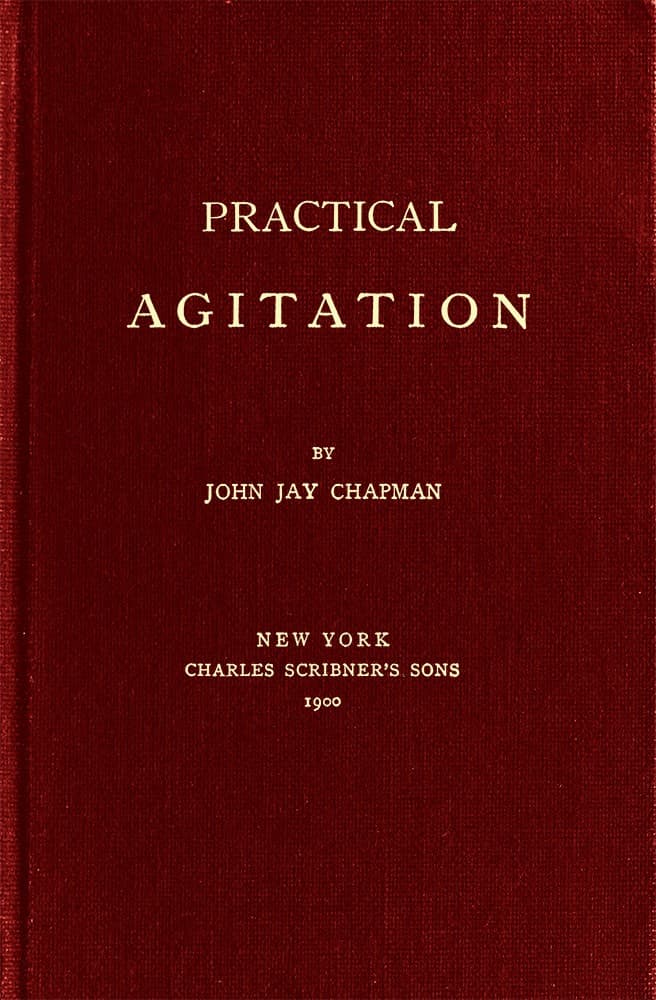







Link to this page
Add a free, dofollow link to Lex on your blog, forum, syllabus, or reading list.

<a href="https://lex-books.com/author/john-jay-chapman"><img src="https://lex-books.com/badges/read-on-lex.svg" alt="John Jay Chapman on Lex" width="160" height="40"></a>[](https://lex-books.com/author/john-jay-chapman)[url=https://lex-books.com/author/john-jay-chapman][img]https://lex-books.com/badges/read-on-lex.svg[/img][/url]John Jay Chapman on Lex: https://lex-books.com/author/john-jay-chapman