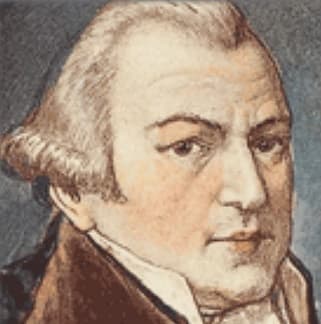
John Cleland
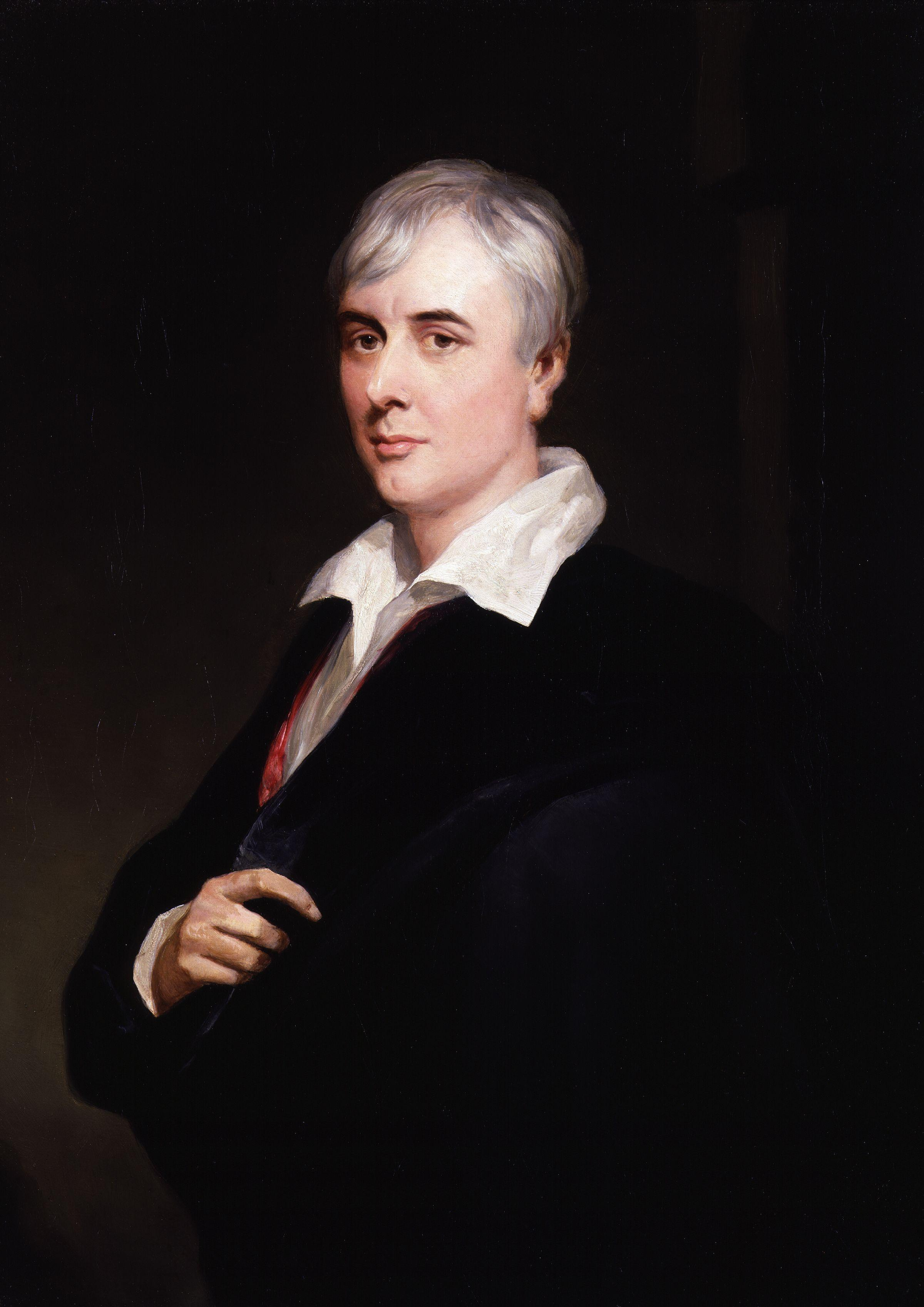
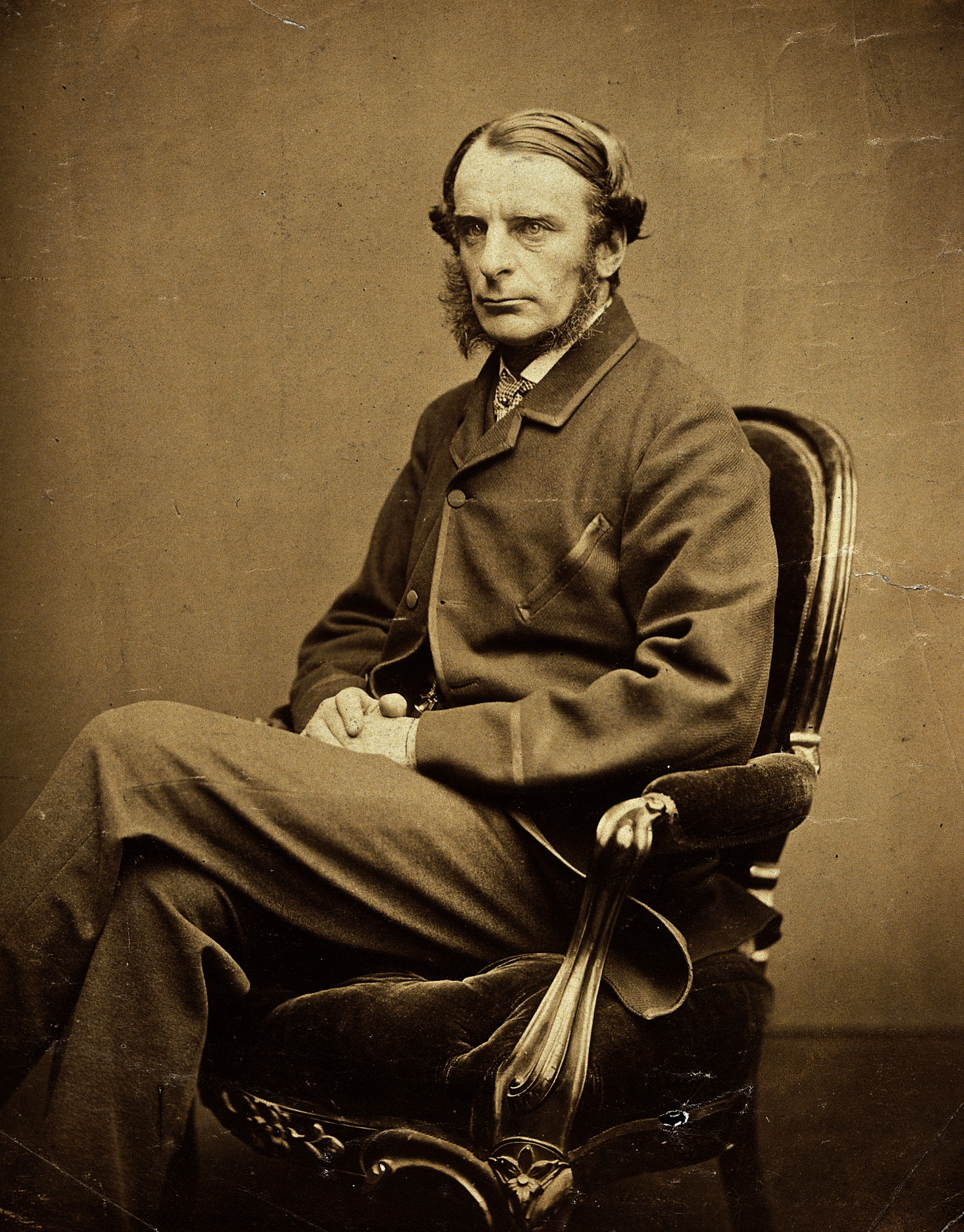
John Cleland was an English novelist renowned for his controversial work, 'Fanny Hill: or, the Memoirs of a Woman of Pleasure.' Published in 1748, this novel is often regarded as one of the first erotic novels in the English language. Its explicit content and candid exploration of sexuality led to Cleland's arrest for obscenity, marking a significant moment in the history of literature and censorship. Despite the scandal, 'Fanny Hill' gained popularity and has been influential in the genre of erotic literature, reflecting the complexities of desire and societal norms of the 18th century. Cleland's literary contributions extended beyond 'Fanny Hill.' He wrote several other works, including 'Memoirs of a Coxcomb' and 'The Adventures of Mr. T—,' which also explored themes of sexuality and social commentary. His writing style combined wit and a keen observation of human behavior, establishing him as a notable figure in the literary landscape of his time. Cleland's legacy endures not only through his provocative narratives but also as a pioneer who challenged the boundaries of acceptable literature in his era.
Famous Quotes
View all 3 quotes“...but we no more choose our passions than our features or complexion.”
“He was the universe to me, and all that was not him, was nothing to me.”
“Em resumo, há nos homens, quando eles se deixam guiar pelos olhos, uma tal credulidade da qual sua majestosa sabedoria não suspeita, fazendo que os mais avisados dentre eles sejam frequentemente enganados por nós.”
Books from the author
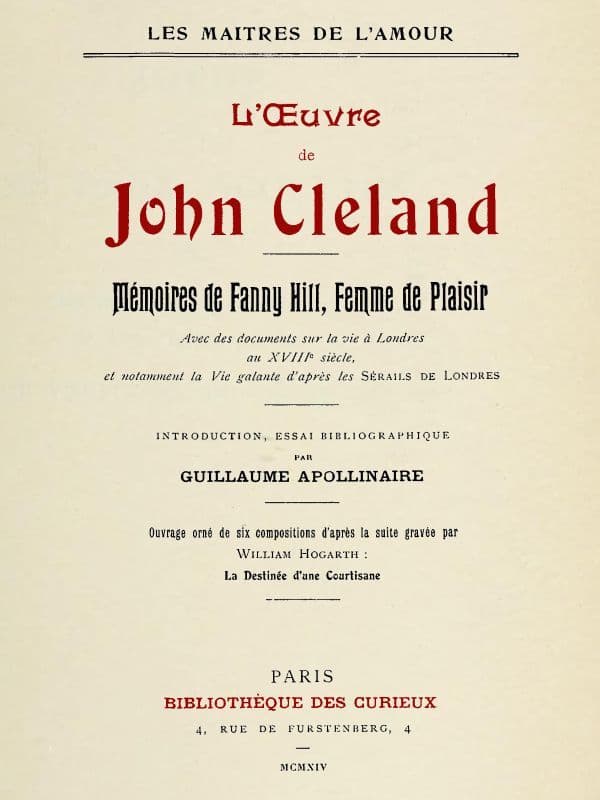


Link to this page
Add a free, dofollow link to Lex on your blog, forum, syllabus, or reading list.

<a href="https://lex-books.com/author/john-cleland"><img src="https://lex-books.com/badges/read-on-lex.svg" alt="John Cleland on Lex" width="160" height="40"></a>[](https://lex-books.com/author/john-cleland)[url=https://lex-books.com/author/john-cleland][img]https://lex-books.com/badges/read-on-lex.svg[/img][/url]John Cleland on Lex: https://lex-books.com/author/john-cleland