
Johann Karl August Musäus
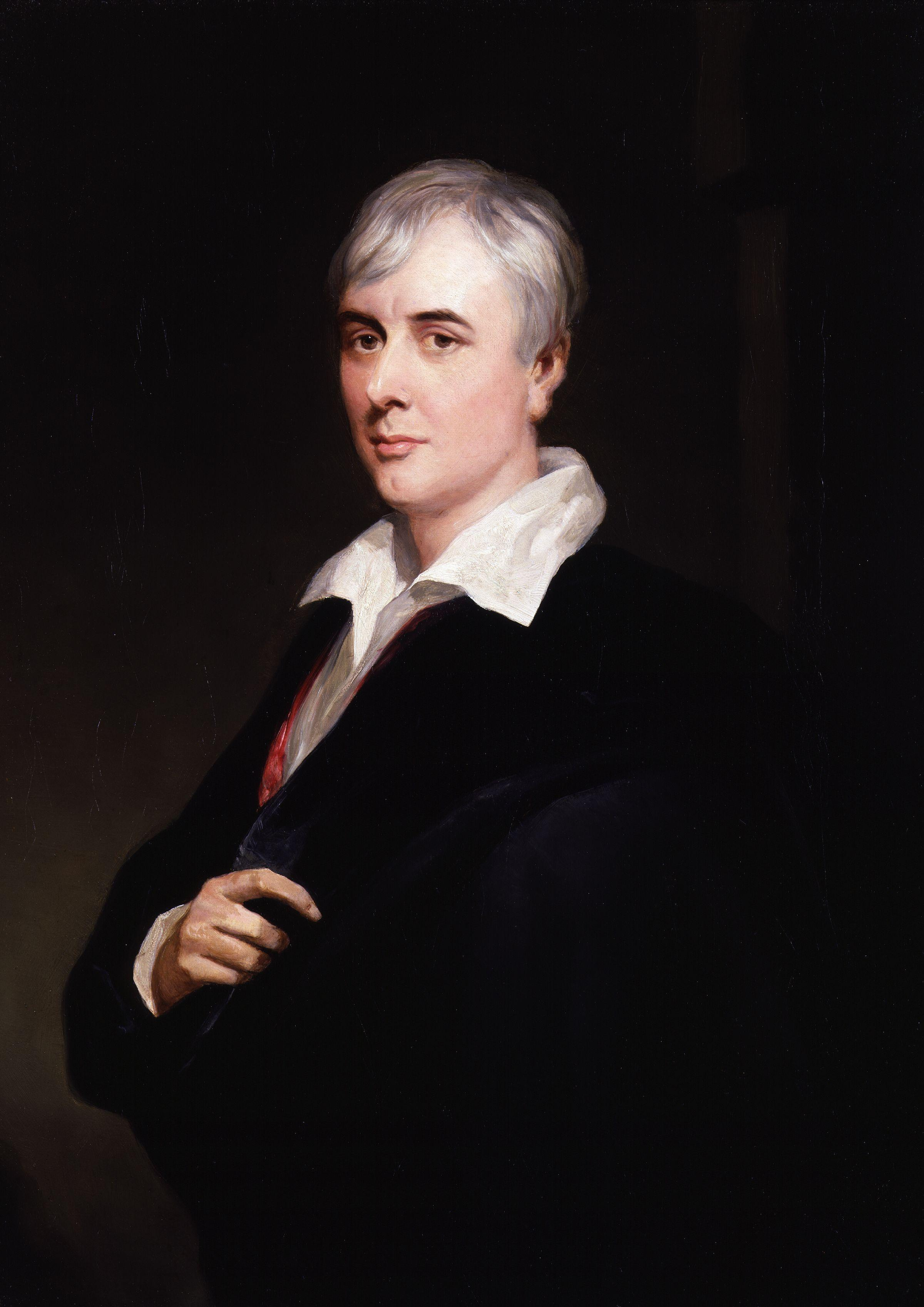
Johann Karl August Musäus was a German author and folklorist, best known for his contributions to the genre of fairy tales and folk narratives. Born in 1735, Musäus initially pursued a career in theology before turning to literature, where he found his true calling. His most significant work, 'Volksmärchen der Deutschen' (Folk Tales of the Germans), published in the late 18th century, showcased his talent for retelling traditional German folk tales with a unique blend of humor and moral lessons. Musäus's narratives often reflected the Enlightenment ideals of his time, emphasizing reason and the importance of cultural heritage. Musäus's influence extended beyond his own writings; he played a pivotal role in the popularization of fairy tales in Germany, paving the way for later authors such as the Brothers Grimm. His ability to weave together elements of folklore with literary artistry helped elevate the status of folk tales within the literary canon. Musäus's legacy endures as a key figure in the development of German literature, particularly in the realm of children's literature and fairy tales, where his works continue to be appreciated for their charm and insight into human nature.
Books from the author



Link to this page
Add a free, dofollow link to Lex on your blog, forum, syllabus, or reading list.

<a href="https://lex-books.com/author/johann-karl-august-musäus"><img src="https://lex-books.com/badges/read-on-lex.svg" alt="Johann Karl August Musäus on Lex" width="160" height="40"></a>[](https://lex-books.com/author/johann-karl-august-musäus)[url=https://lex-books.com/author/johann-karl-august-musäus][img]https://lex-books.com/badges/read-on-lex.svg[/img][/url]Johann Karl August Musäus on Lex: https://lex-books.com/author/johann-karl-august-musäus