
Johan de Meester
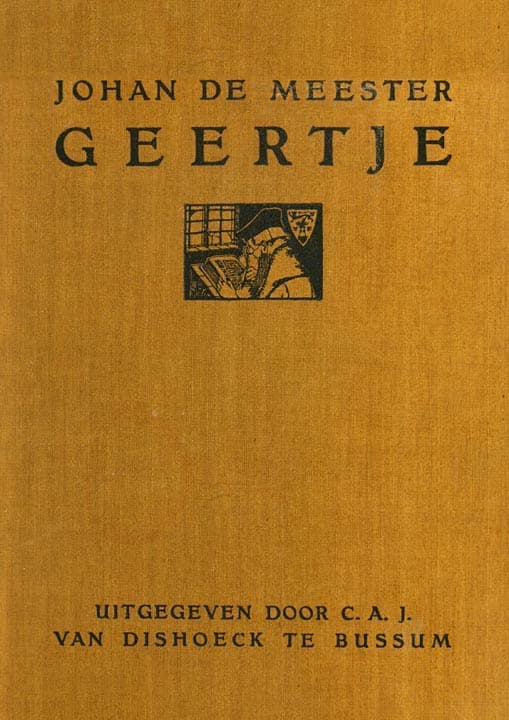
Johan de Meester was a Dutch novelist and playwright known for his keen observations of societal norms and human behavior in the late 19th and early 20th centuries. His works often explored themes of morality, social class, and the complexities of human relationships, reflecting the changing dynamics of Dutch society during his lifetime. De Meester's notable novels, such as "Geertje" and "Zonde in het deftige dorp," delve into the lives of characters grappling with personal and societal dilemmas, often set against the backdrop of the bourgeois milieu. "Geertje" is particularly significant for its portrayal of a woman's struggle for autonomy in a patriarchal society, while "Zonde in het deftige dorp" critiques the hypocrisy and moral failings of the upper classes. Through his incisive storytelling and character development, de Meester contributed to the literary landscape of his time, offering a mirror to the societal issues that plagued his contemporaries. His legacy endures as a reflection of the complexities of human nature and the societal constraints of his era.
Books from the author












Link to this page
Add a free, dofollow link to Lex on your blog, forum, syllabus, or reading list.

<a href="https://lex-books.com/author/johan-de-meester"><img src="https://lex-books.com/badges/read-on-lex.svg" alt="Johan de Meester on Lex" width="160" height="40"></a>[](https://lex-books.com/author/johan-de-meester)[url=https://lex-books.com/author/johan-de-meester][img]https://lex-books.com/badges/read-on-lex.svg[/img][/url]Johan de Meester on Lex: https://lex-books.com/author/johan-de-meester