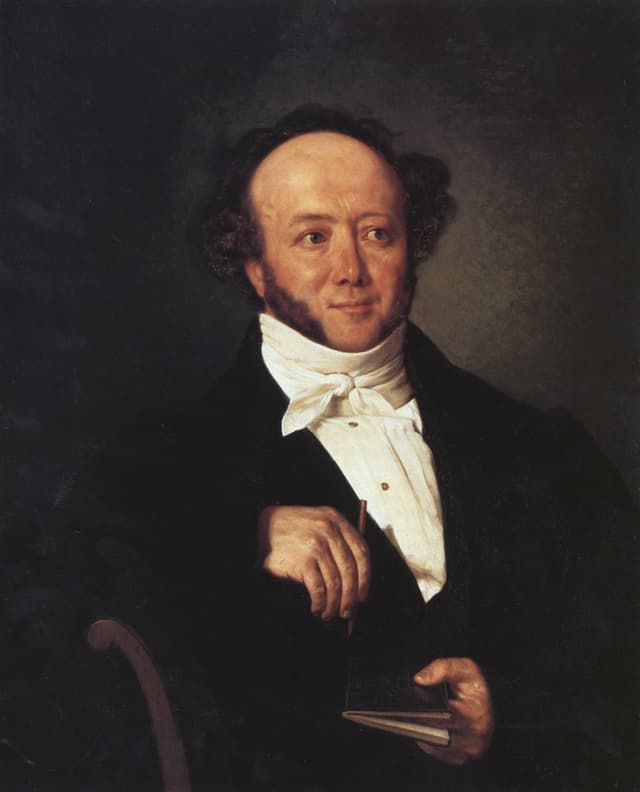
Jeremias Gotthelf
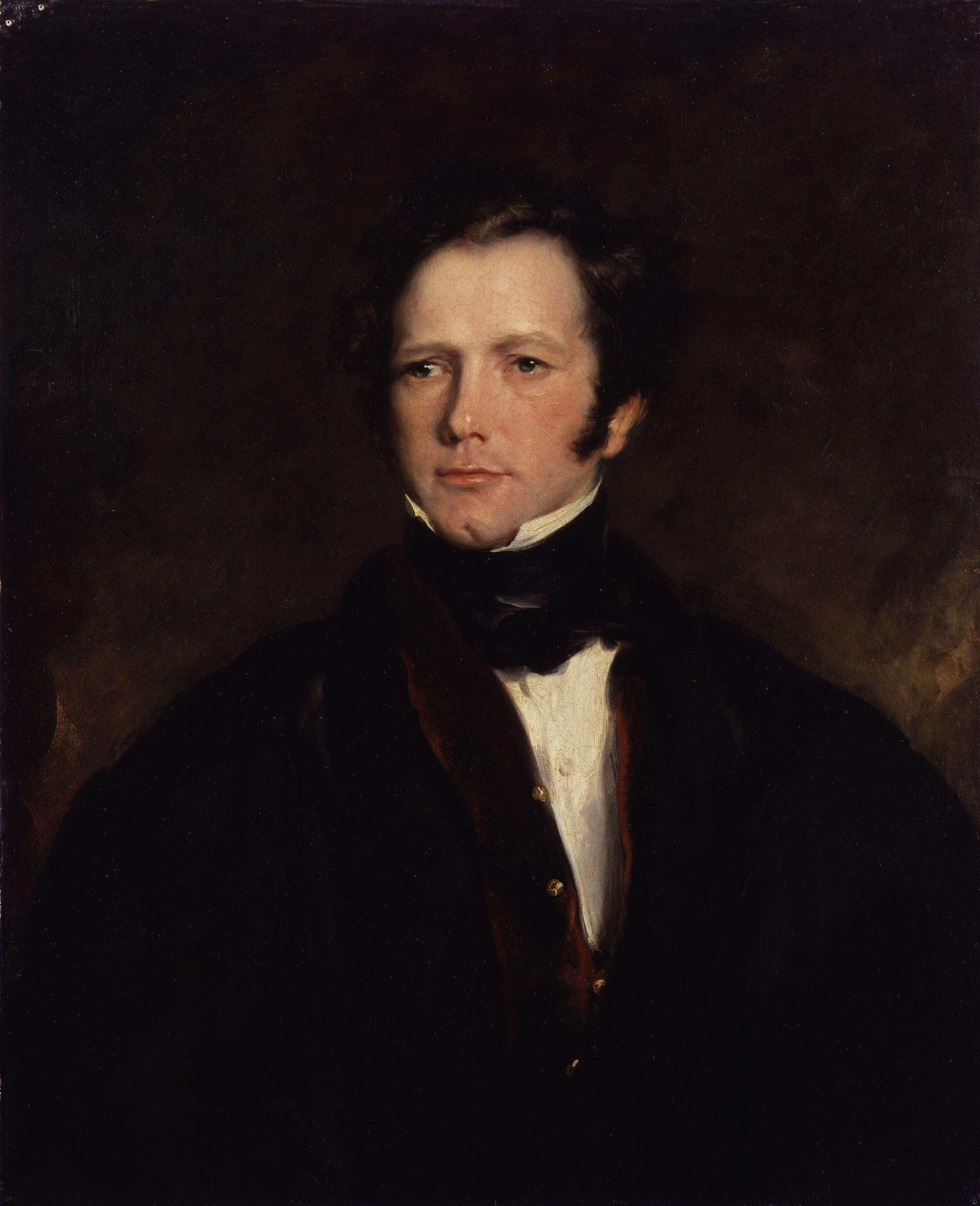
Jeremias Gotthelf, the pen name of Swiss novelist Albert Bitzius, was a significant figure in 19th-century literature, known for his vivid storytelling and moral themes. Born in the Emmental region of Switzerland, Gotthelf's upbringing in a pastoral environment deeply influenced his writing, which often depicted rural life and the struggles of its inhabitants. His most notable works include 'The Black Spider' and 'How the Farmer Saved His Family,' both of which explore complex social issues through allegorical narratives and rich characterizations. Gotthelf's literary significance lies in his ability to blend realism with allegory, addressing themes of morality, faith, and the human condition. 'The Black Spider' is particularly renowned for its exploration of evil and societal decay, using a fantastical narrative to critique the moral failings of humanity. His works not only reflect the cultural and social dynamics of his time but also contributed to the development of Swiss literature. Gotthelf's legacy endures as a pioneer of Swiss storytelling, influencing future generations of writers and remaining a vital part of Switzerland's literary heritage.
Famous Quotes
View all 3 quotes“Hard by the church stood the public house; so often the two are closely conjoined, honorably sharing both joys and sorrows.”
“Where there is great pride or great wealth, men soon come to believe that their appetites are their wisdom.”
“And now Christine felt as if her face was bursting open and glowing coals were being birthed from it, quickening into life and swarming across her face and all her limbs, and everything within her face had sprung to life, a fiery swarming all across her body. In the lightning’s pallid glow she saw, long-legged and venomous, innumerable black spiderlings scurrying down her limbs and out into the night, and as they vanished they were followed, long-legged and venomous, by innumerable others.”
Books from the author



Link to this page
Add a free, dofollow link to Lex on your blog, forum, syllabus, or reading list.

<a href="https://lex-books.com/author/jeremias-gotthelf"><img src="https://lex-books.com/badges/read-on-lex.svg" alt="Jeremias Gotthelf on Lex" width="160" height="40"></a>[](https://lex-books.com/author/jeremias-gotthelf)[url=https://lex-books.com/author/jeremias-gotthelf][img]https://lex-books.com/badges/read-on-lex.svg[/img][/url]Jeremias Gotthelf on Lex: https://lex-books.com/author/jeremias-gotthelf