An Essay on Laughter: Its Forms, Its Causes, Its Development and Its Value
1902
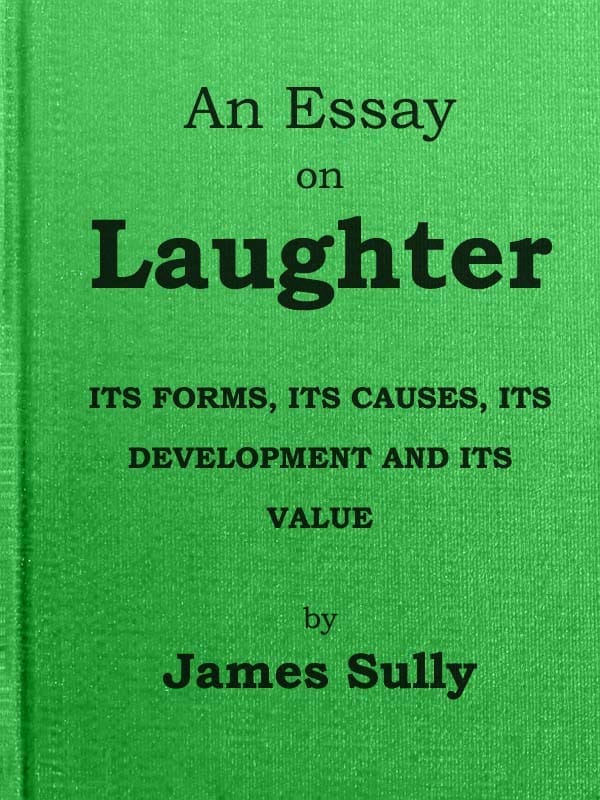
An Essay on Laughter: Its Forms, Its Causes, Its Development and Its Value
1902
At the turn of the twentieth century, when psychology was still finding its footing as a science, James Sully posed a question that made serious thinkers uncomfortable: what actually is laughter, and why should we bother studying it? This ambitious essay, written by one of the founding figures in child psychology, treats the laugh with the same rigor previously reserved for grief or fear. Sully dissects laughter's anatomy, the involuntary contractions, the sudden exhalations, the strange pleasure that floods the body, and then expands outward into its psychological and social dimensions. Why do we laugh at incongruity? What separates the giggle from the guffaw? How does a child's developing mind learn to find things funny? Sully addresses these questions with a philosopher's precision and a psychologist's empiricism, weaving evolutionary theory, anthropology, and clinical observation into a unified account. The result is neither a light divertissement nor a dry textbook, but something rarer: a serious meditation on the role of mirth in human flourishing. A century later, Sully's pioneering work remains essential reading for anyone curious about what our laughter reveals about who we are.
Editions
Link to this book
Add a free, dofollow link to Lex on your blog, forum, syllabus, or reading list.

<a href="https://lex-books.com/book/an-essay-on-laughter-its-forms-its-causes-its-development-and-its-value-532f60f1-1c58-488c-b1b8-f00db3f6160f"><img src="https://lex-books.com/badges/read-on-lex.svg" alt="Read An Essay on Laughter: Its Forms, Its Causes, Its Development and Its Value by James Sully free on Lex" width="160" height="40"></a>[](https://lex-books.com/book/an-essay-on-laughter-its-forms-its-causes-its-development-and-its-value-532f60f1-1c58-488c-b1b8-f00db3f6160f)[url=https://lex-books.com/book/an-essay-on-laughter-its-forms-its-causes-its-development-and-its-value-532f60f1-1c58-488c-b1b8-f00db3f6160f][img]https://lex-books.com/badges/read-on-lex.svg[/img][/url]Read An Essay on Laughter: Its Forms, Its Causes, Its Development and Its Value by James Sully free on Lex: https://lex-books.com/book/an-essay-on-laughter-its-forms-its-causes-its-development-and-its-value-532f60f1-1c58-488c-b1b8-f00db3f6160fCite this book
Reading this edition for a paper or guide? Copy a citation.
Sully, James. An Essay on Laughter: Its Forms, Its Causes, Its Development and Its Value. Lex, lex-books.com/book/an-essay-on-laughter-its-forms-its-causes-its-development-and-its-value-532f60f1-1c58-488c-b1b8-f00db3f6160f.Sully, J. (1902). An Essay on Laughter: Its Forms, Its Causes, Its Development and Its Value. Lex. https://lex-books.com/book/an-essay-on-laughter-its-forms-its-causes-its-development-and-its-value-532f60f1-1c58-488c-b1b8-f00db3f6160fSully, James. An Essay on Laughter: Its Forms, Its Causes, Its Development and Its Value. Lex. https://lex-books.com/book/an-essay-on-laughter-its-forms-its-causes-its-development-and-its-value-532f60f1-1c58-488c-b1b8-f00db3f6160f.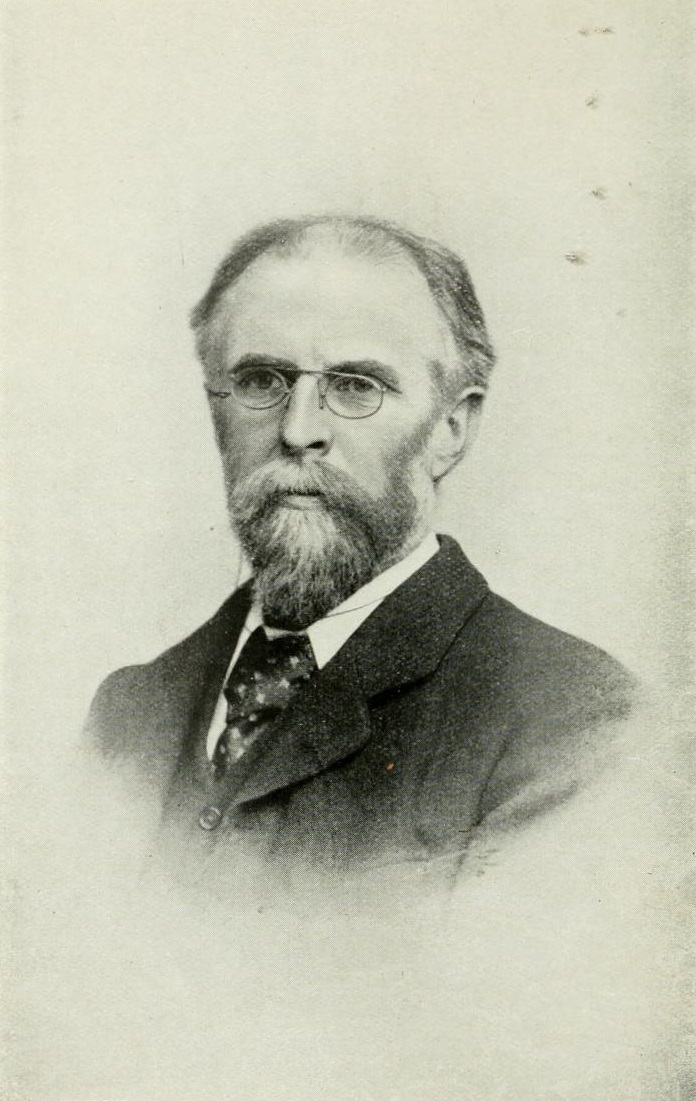


![Night Watches [complete]](/_next/image?url=https%3A%2F%2Fd3b2n8gj62qnwr.cloudfront.net%2FCOVERS%2Fgutenberg_covers75k%2Febook-12161.png&w=3840&q=75)