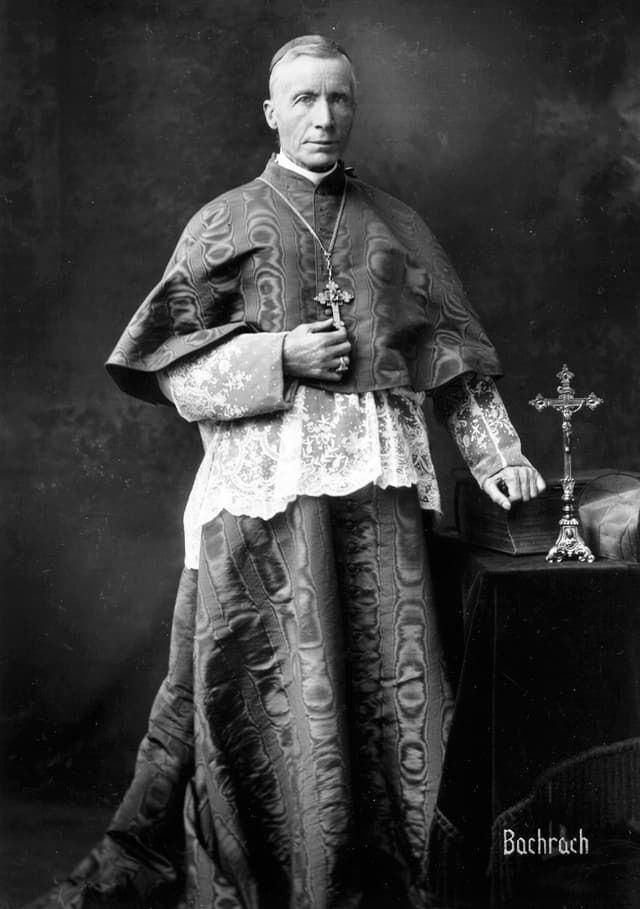
James Gibbons
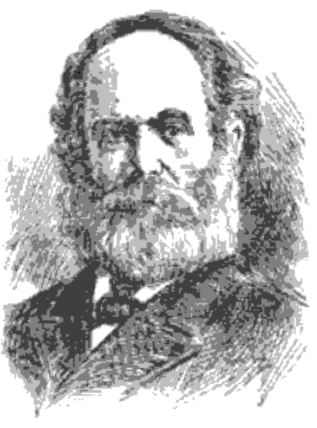
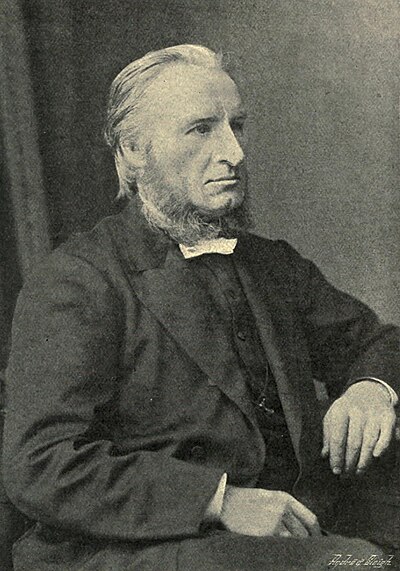
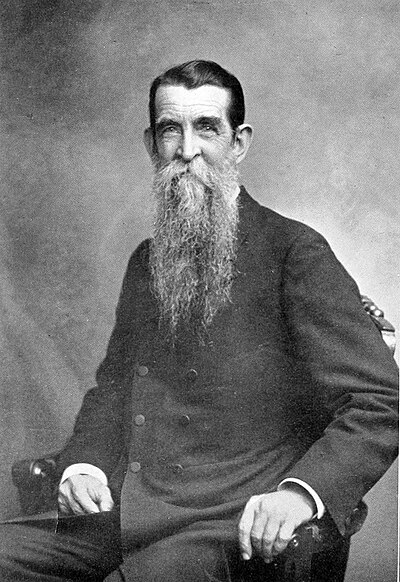
James Gibbons was a prominent American Catholic prelate whose influence shaped the Catholic Church in the United States during the late 19th and early 20th centuries. He began his ecclesiastical career as the first apostolic vicar of North Carolina from 1868 to 1872, before being appointed bishop of Richmond and later archbishop of Baltimore, the oldest episcopal see in the country. Gibbons was a key figure at the First Vatican Council, where he supported the definition of papal infallibility, reflecting his commitment to the Church's authority and doctrine. As archbishop of Baltimore from 1877 until his death in 1921, Gibbons became a national figure, advocating for the rights of organized labor and playing a crucial role in the Church's engagement with social issues. His efforts helped to persuade Pope Leo XIII to endorse labor unions, marking a significant moment in the Church's history regarding social justice. In 1886, he was elevated to the College of Cardinals, becoming only the second American cardinal, which underscored his prominence within the Catholic hierarchy. Gibbons' legacy lies in his dedication to both the Church and the social concerns of his time, making him a pivotal figure in American Catholicism.
Famous Quotes
View all 1 quotes“Truth never changes; it is the same now, yesterday, and forever, in itself; but our relations towards truth may change, for that which is hidden from us today may become known to us tomorrow.”
Books from the author


Link to this page
Add a free, dofollow link to Lex on your blog, forum, syllabus, or reading list.

<a href="https://lex-books.com/author/james-gibbons"><img src="https://lex-books.com/badges/read-on-lex.svg" alt="James Gibbons on Lex" width="160" height="40"></a>[](https://lex-books.com/author/james-gibbons)[url=https://lex-books.com/author/james-gibbons][img]https://lex-books.com/badges/read-on-lex.svg[/img][/url]James Gibbons on Lex: https://lex-books.com/author/james-gibbons