The Faith of Our Fathers
1876
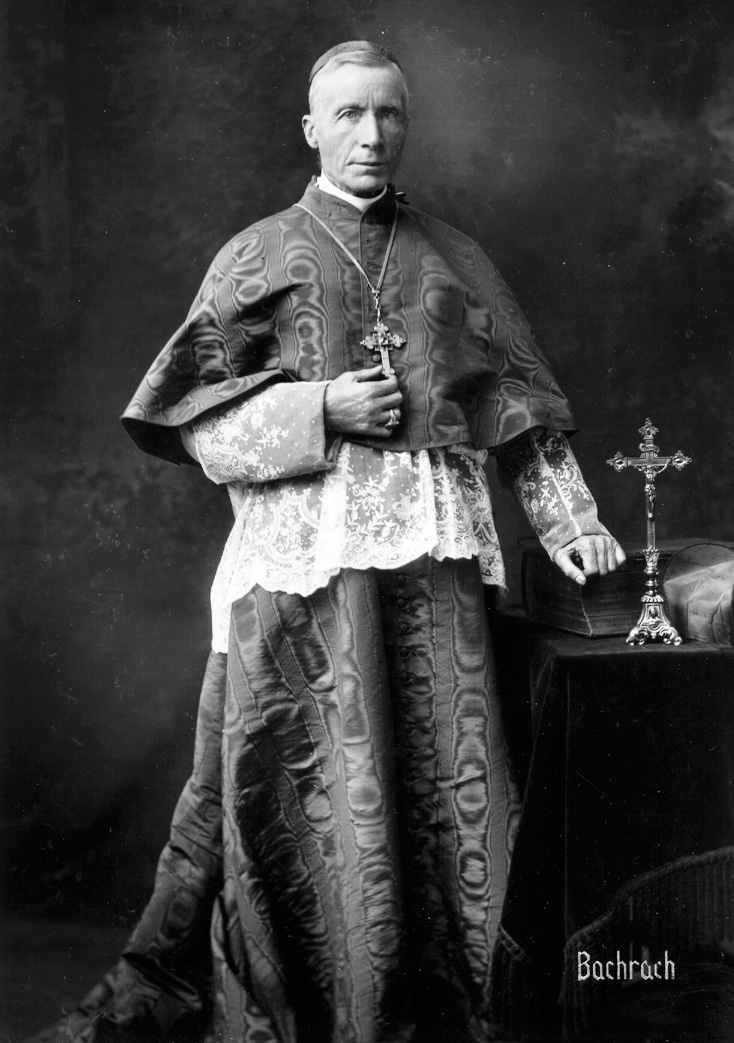
In 1876 America, Catholic immigrants faced deep suspicion and open prejudice. Into this climate, Baltimore's Archbishop James Gibbons wrote a book that would become one of the most widely read religious works in American history. The Faith of Our Fathers emerged not merely as theology, but as a quiet act of courage: a reasoned, gracious defense of Catholic belief aimed at a hostile or misunderstanding public. Gibbons addresses the specific doctrines that sparked the most controversy, priestly celibacy, the veneration of saints, Sacred Scripture's relationship to tradition, the authority claimed by the papacy, and does so with an apologetic warmth that anticipates objections rather than simply dismissing them. The book sold 1.4 million copies in its first four decades, translated into nearly every European language. Even H.L. Mencken, the famously acerbic agnostic, conceded it was "the best exposition of Catholic doctrine." What elevates The Faith of Our Fathers beyond its era is not just its scope, covering everything from the Trinity to the economics of indulgences, but its fundamental premise: that Catholic teaching, examined honestly, contains nothing to fear from scrutiny. It remains essential reading for anyone seeking to understand what Catholics actually believe, and why.
Editions
X-Ray
“Truth never changes; it is the same now, yesterday, and forever, in itself; but our relations towards truth may change, for that which is hidden from us today may become known to us tomorrow.””
— James Gibbons
Link to this book
Add a free, dofollow link to Lex on your blog, forum, syllabus, or reading list.

<a href="https://lex-books.com/book/the-faith-of-our-fathers-2bb60fe1-9c3f-47f9-8b6f-8c50a6dd13be"><img src="https://lex-books.com/badges/read-on-lex.svg" alt="Read The Faith of Our Fathers by James Gibbons free on Lex" width="160" height="40"></a>[](https://lex-books.com/book/the-faith-of-our-fathers-2bb60fe1-9c3f-47f9-8b6f-8c50a6dd13be)[url=https://lex-books.com/book/the-faith-of-our-fathers-2bb60fe1-9c3f-47f9-8b6f-8c50a6dd13be][img]https://lex-books.com/badges/read-on-lex.svg[/img][/url]Read The Faith of Our Fathers by James Gibbons free on Lex: https://lex-books.com/book/the-faith-of-our-fathers-2bb60fe1-9c3f-47f9-8b6f-8c50a6dd13beCite this book
Reading this edition for a paper or guide? Copy a citation.
Gibbons, James. The Faith of Our Fathers. Lex, lex-books.com/book/the-faith-of-our-fathers-2bb60fe1-9c3f-47f9-8b6f-8c50a6dd13be.Gibbons, J. (1876). The Faith of Our Fathers. Lex. https://lex-books.com/book/the-faith-of-our-fathers-2bb60fe1-9c3f-47f9-8b6f-8c50a6dd13beGibbons, James. The Faith of Our Fathers. Lex. https://lex-books.com/book/the-faith-of-our-fathers-2bb60fe1-9c3f-47f9-8b6f-8c50a6dd13be.