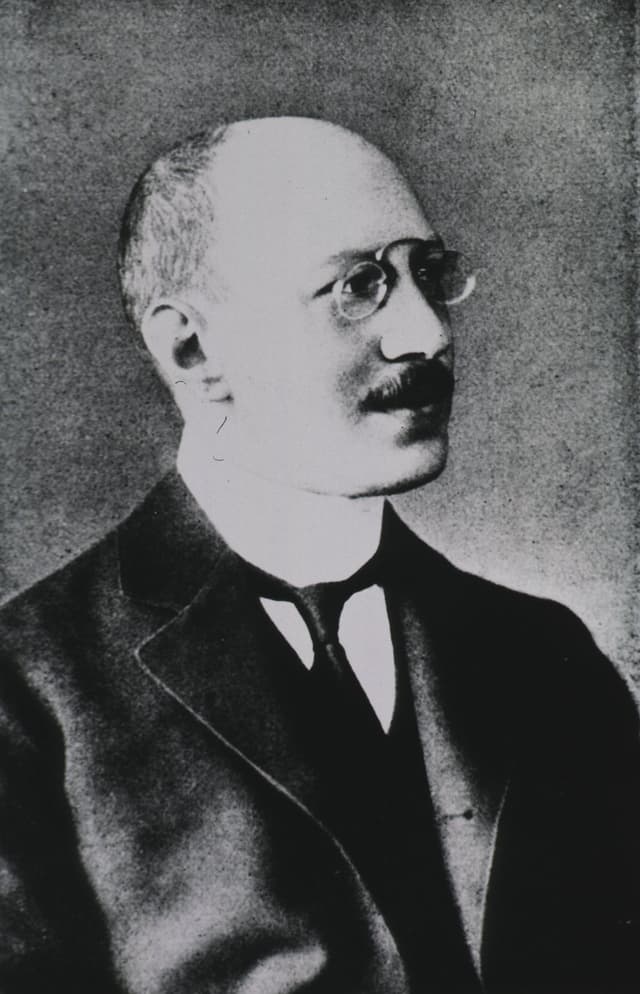
Iwan Bloch
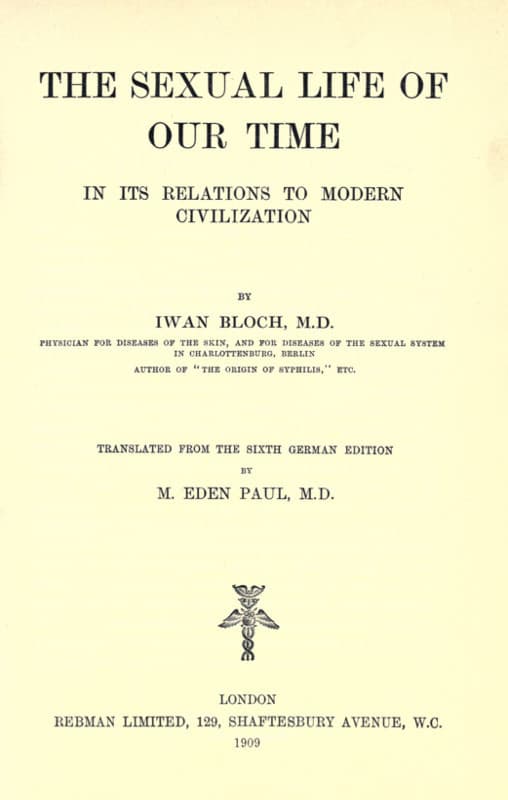
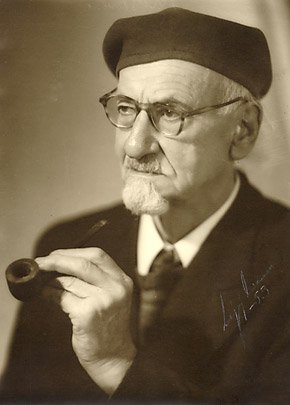
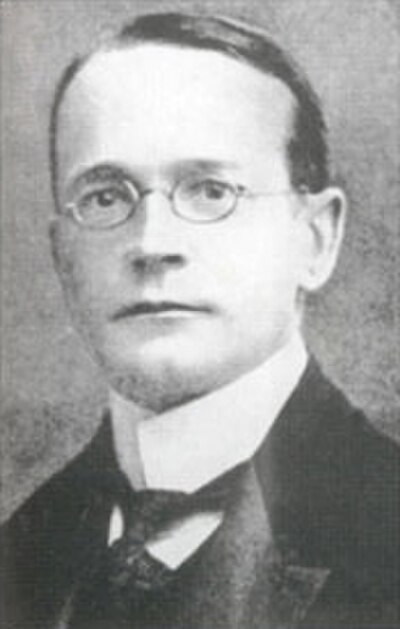
Iwan Bloch was a pioneering German dermatologist and psychiatrist, often regarded as the first sexologist. Born in Delmenhorst, he played a crucial role in the development of sexology alongside contemporaries like Magnus Hirschfeld and Albert Eulenburg. Bloch's seminal work, "Das Sexualleben unserer Zeit in seinen Beziehungen zur modernen Kultur" (The Sexual Life of our Time in its Relations to Modern Civilization), published in 1906, served as a comprehensive encyclopedia of sexual sciences, examining the interplay between sexuality and modern civilization. This groundbreaking text laid the foundation for future studies in the field and highlighted the importance of understanding sexuality as a vital aspect of human experience. In addition to his contributions to sexology, Bloch is notable for his literary endeavors, particularly his discovery of the manuscript of the Marquis de Sade's "The 120 Days of Sodom," which had long been considered lost. He published this work under the pseudonym Eugen Dühren in 1904, further establishing his influence in the realm of sexual literature. Bloch's exploration of sexuality, both in scientific and literary contexts, has left a lasting legacy, shaping discussions around sexual identity and culture in the 20th century and beyond.
Books from the author












Link to this page
Add a free, dofollow link to Lex on your blog, forum, syllabus, or reading list.

<a href="https://lex-books.com/author/iwan-bloch"><img src="https://lex-books.com/badges/read-on-lex.svg" alt="Iwan Bloch on Lex" width="160" height="40"></a>[](https://lex-books.com/author/iwan-bloch)[url=https://lex-books.com/author/iwan-bloch][img]https://lex-books.com/badges/read-on-lex.svg[/img][/url]Iwan Bloch on Lex: https://lex-books.com/author/iwan-bloch