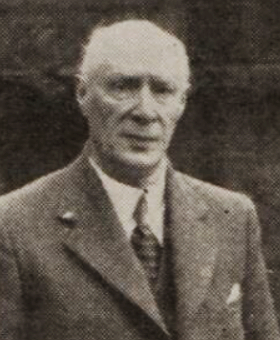
Isaiah Bowman
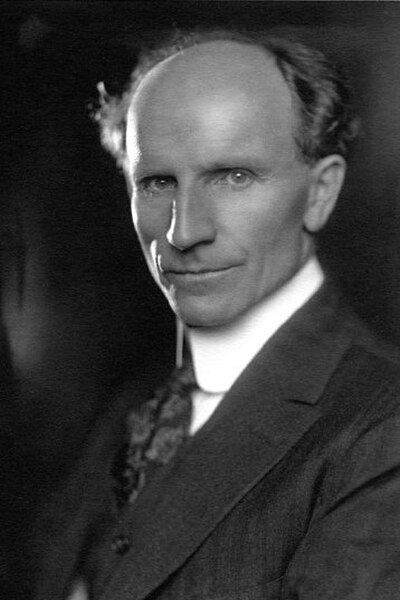
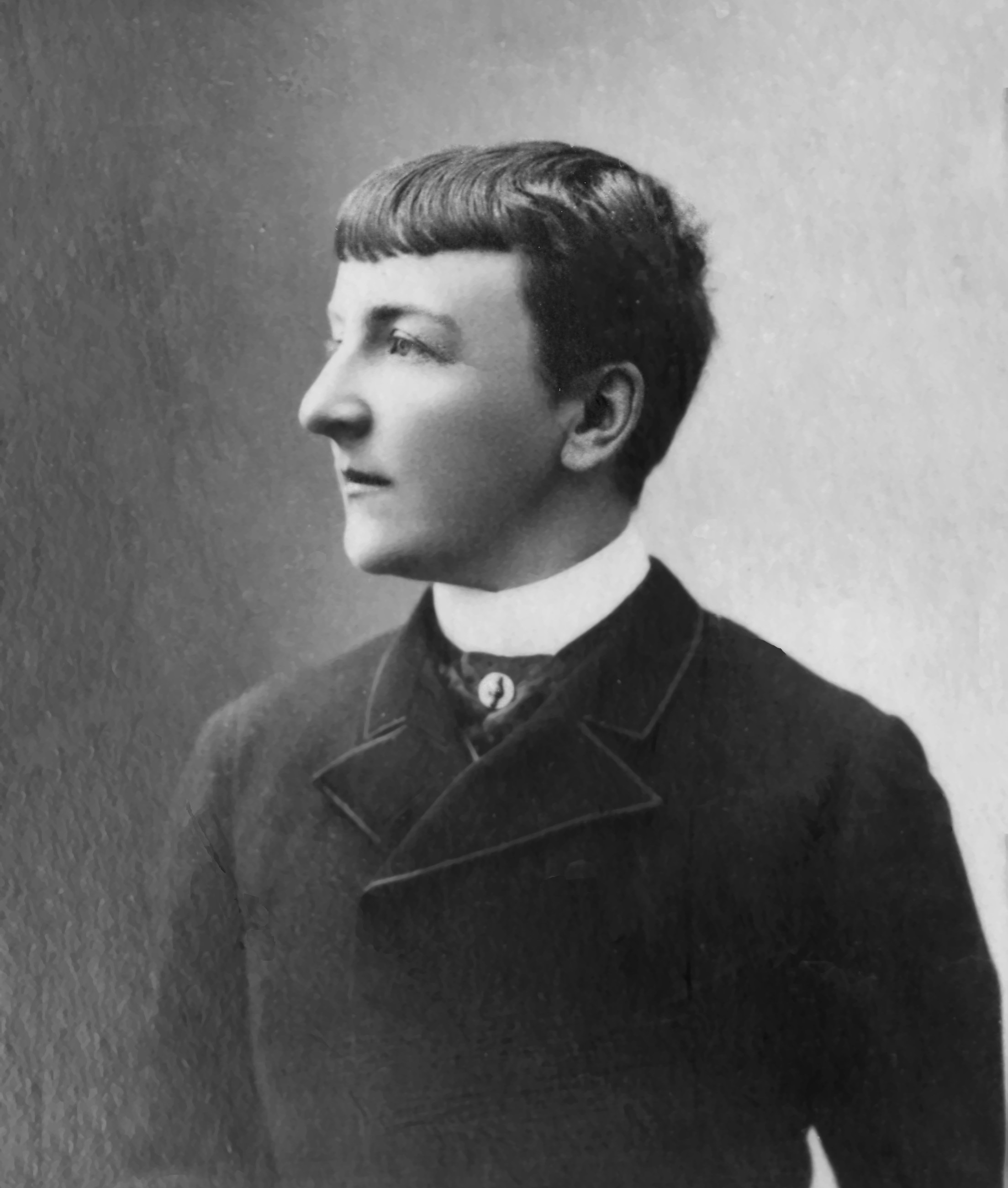
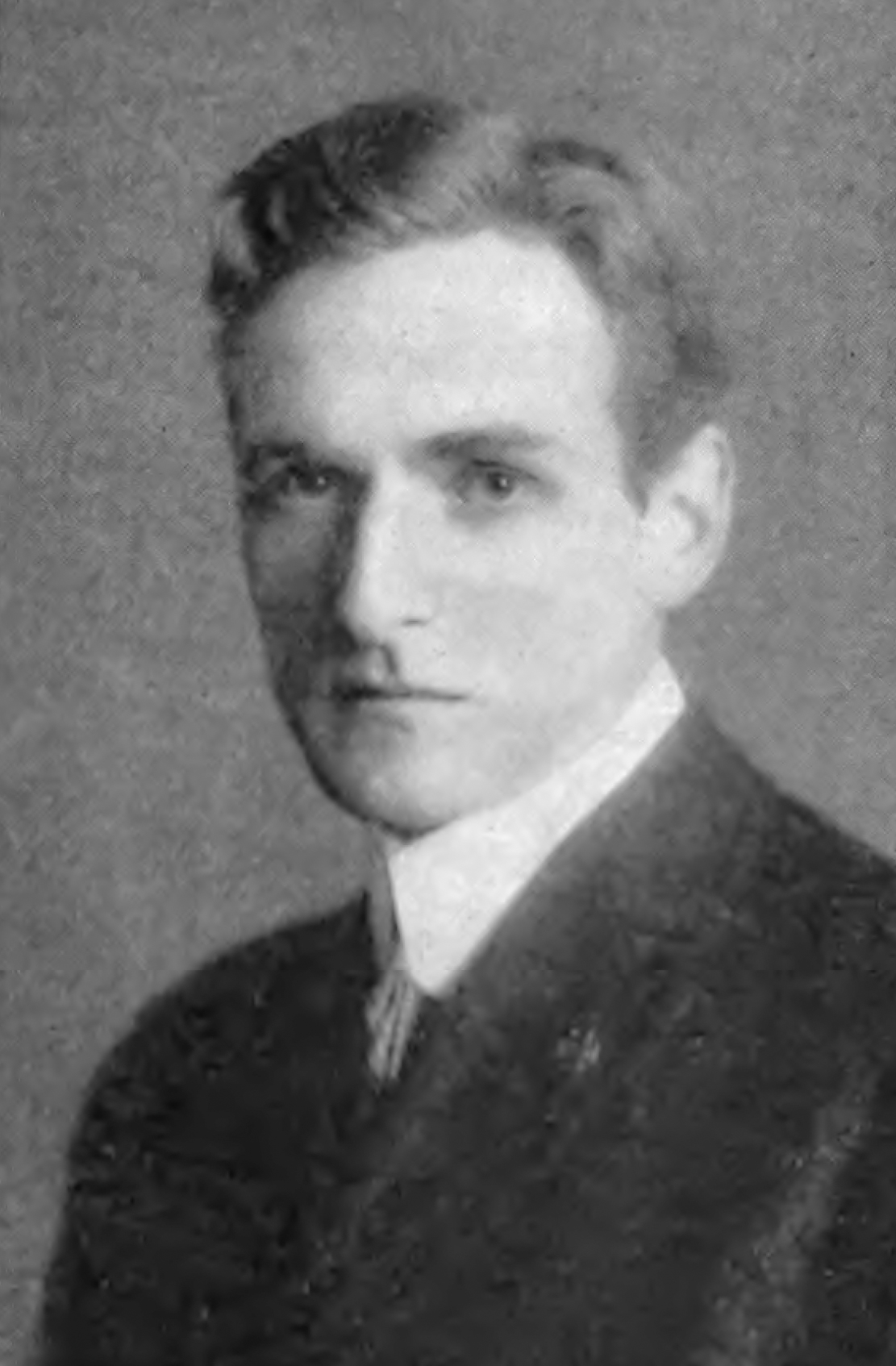
Isaiah Bowman was an influential American geographer and academic leader, best known for his tenure as President of Johns Hopkins University from 1935 to 1948. His work in geography significantly shaped the field, particularly through his emphasis on the importance of geographic education and research. Bowman's scholarly contributions included studies on the relationship between geography and international relations, which were pivotal during a time of global upheaval. However, his legacy is marred by controversy due to his antisemitic views and his failure to advocate for Jewish resettlement during World War II, which has led to a complex and critical reassessment of his impact on both academia and society. Despite his academic achievements, Bowman's actions during the war have overshadowed his contributions, prompting discussions about the responsibilities of scholars in times of moral crisis. His presidency at Johns Hopkins was marked by significant institutional growth, yet his personal beliefs and decisions have sparked debate regarding the ethical obligations of educators and leaders. Bowman's life and career serve as a reminder of the intricate interplay between intellectual achievement and moral accountability in the public sphere.
Famous Quotes
View all 1 quotes“Isaiah 41:10 Don’t be afraid, for I AM with you. Don’t be anxious, I AM your God. I strengthen you. Be sure, I help you. I hold you up with my victorious right hand.””
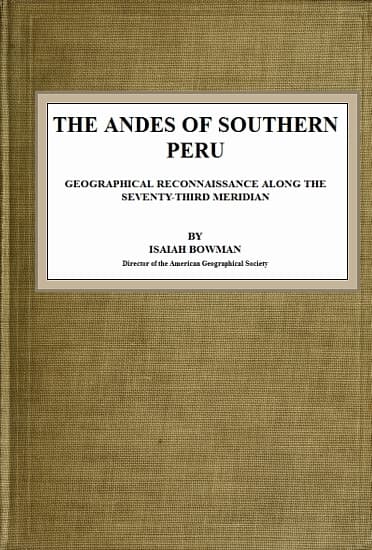
Books from the author



Link to this page
Add a free, dofollow link to Lex on your blog, forum, syllabus, or reading list.

<a href="https://lex-books.com/author/isaiah-bowman"><img src="https://lex-books.com/badges/read-on-lex.svg" alt="Isaiah Bowman on Lex" width="160" height="40"></a>[](https://lex-books.com/author/isaiah-bowman)[url=https://lex-books.com/author/isaiah-bowman][img]https://lex-books.com/badges/read-on-lex.svg[/img][/url]Isaiah Bowman on Lex: https://lex-books.com/author/isaiah-bowman