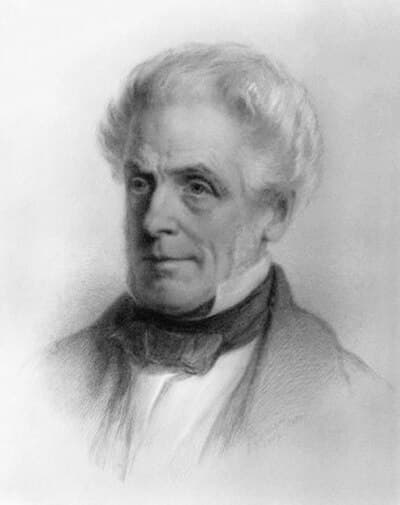
Isaac Taylor
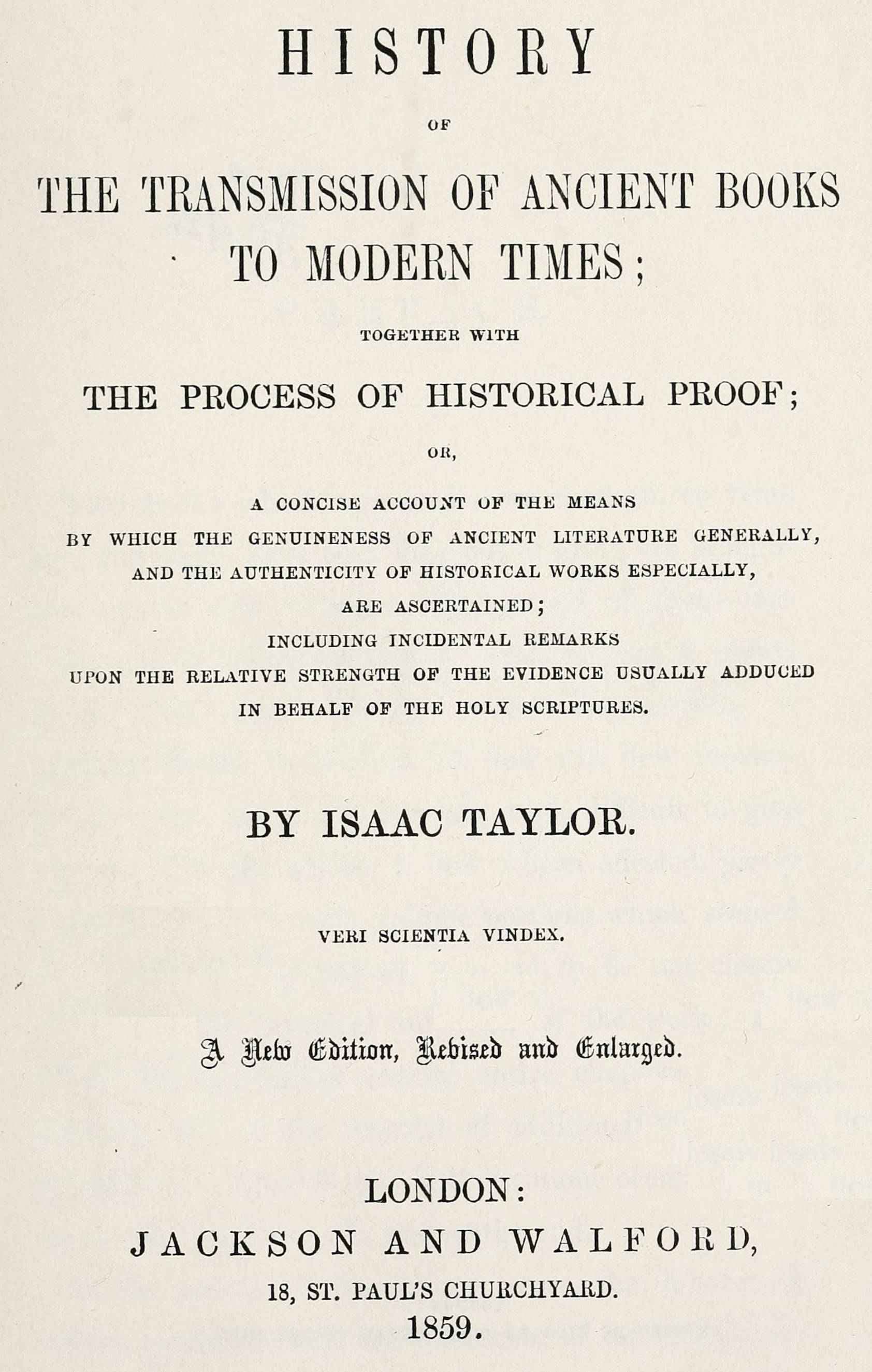
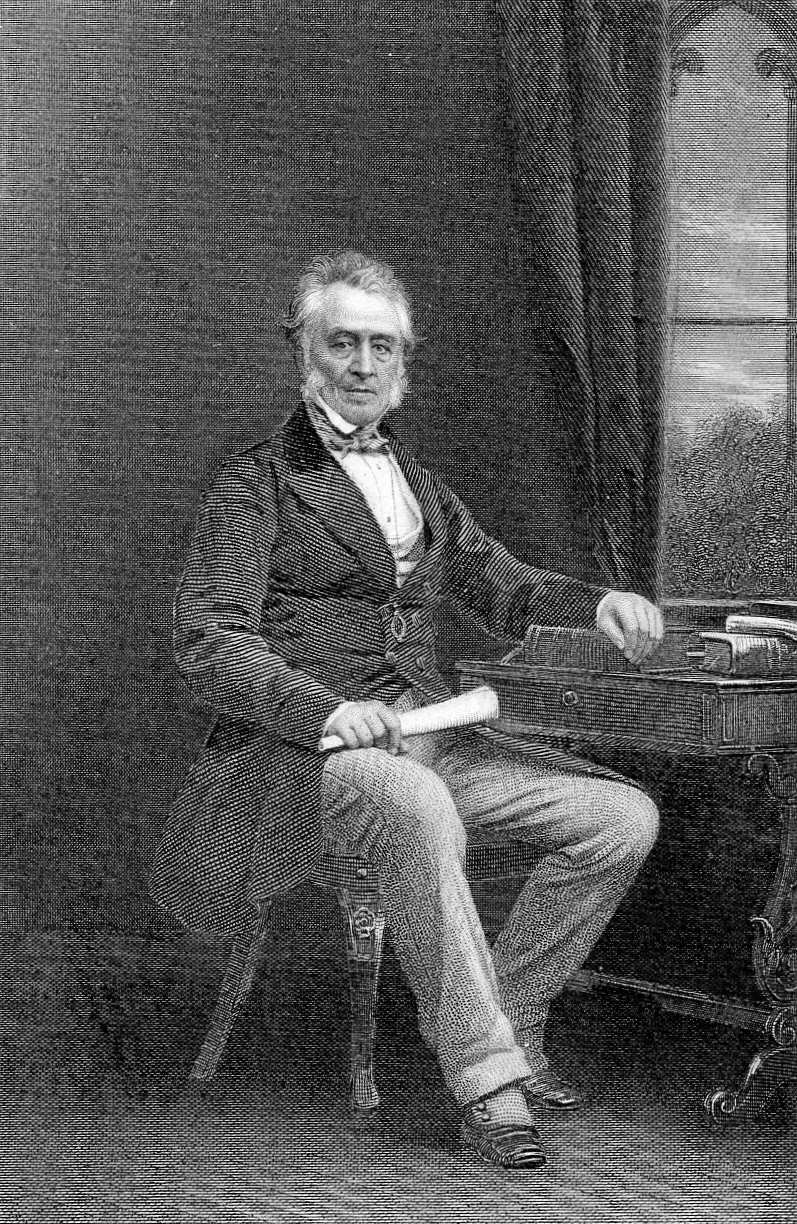
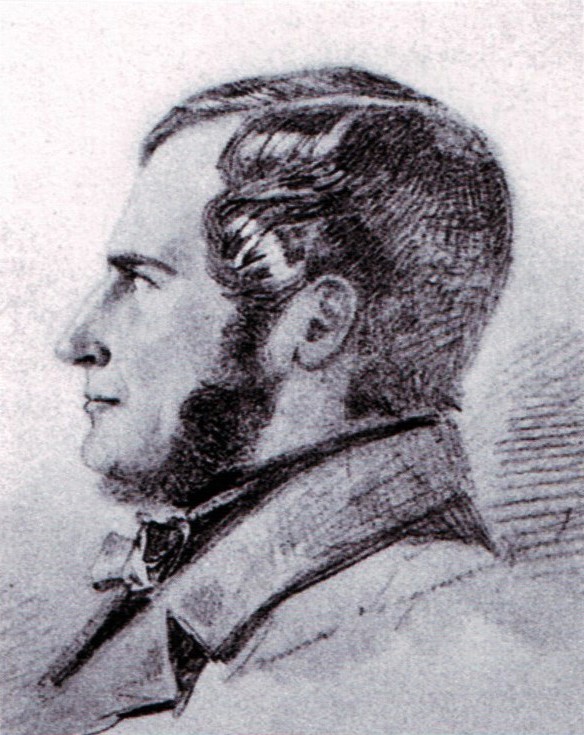
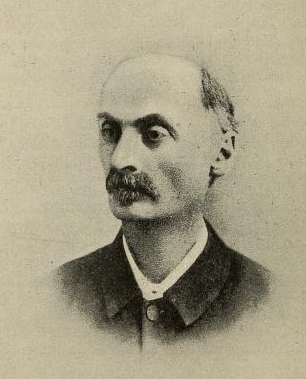
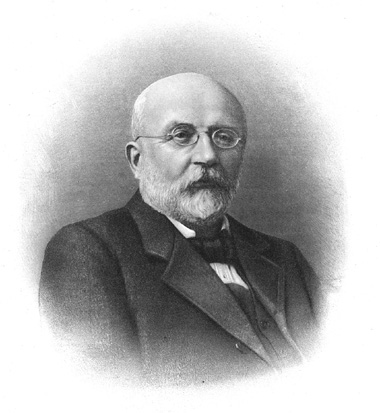
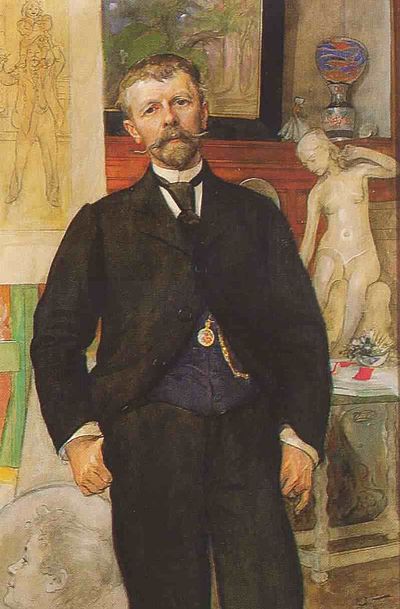
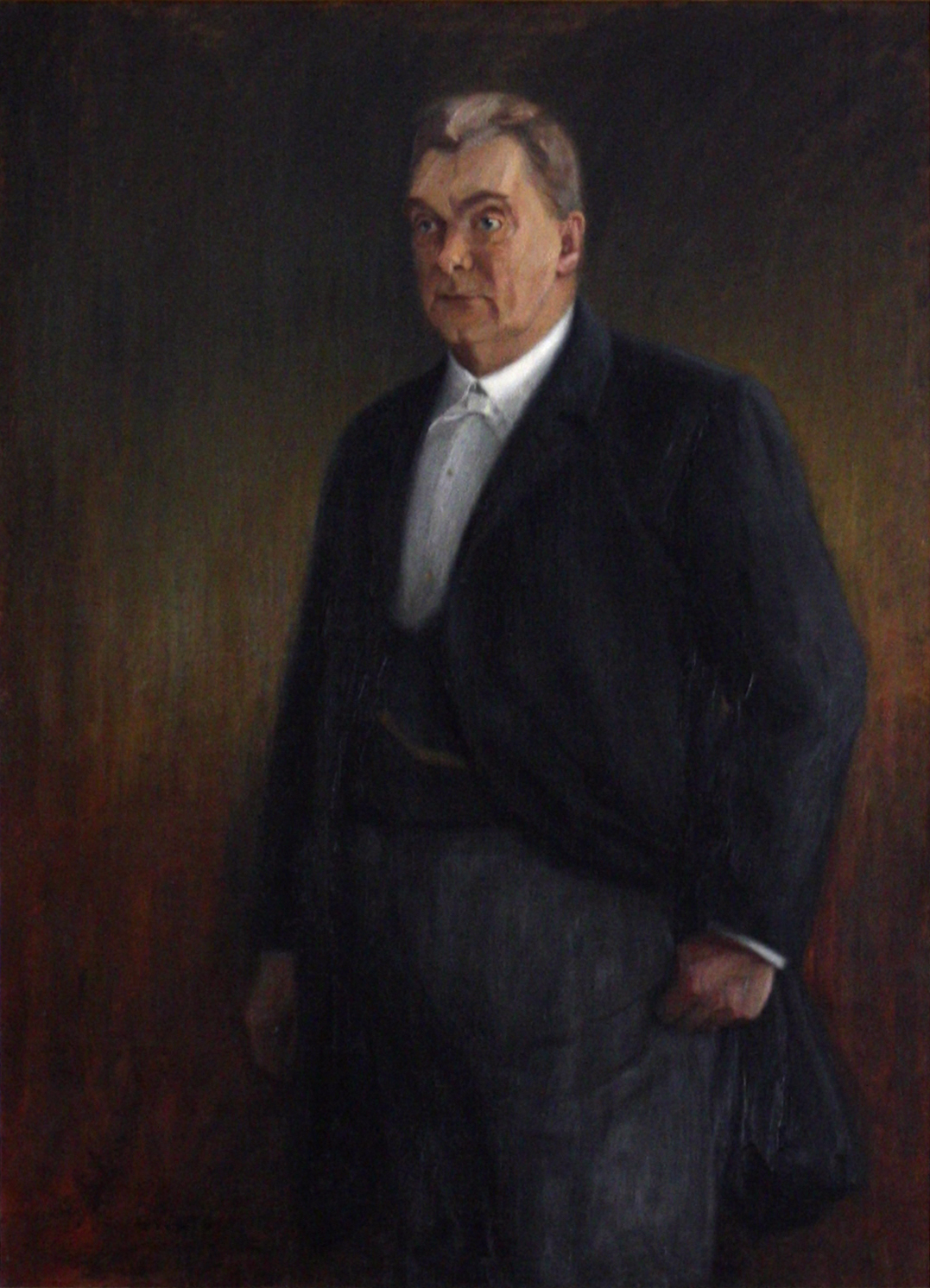
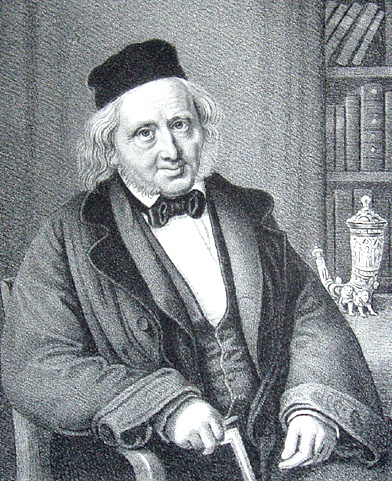
Isaac Taylor was an English writer, artist, and inventor known for his contributions to philosophical and historical literature. Born in 1787, he was a prolific author whose works spanned various genres, including essays, historical narratives, and philosophical treatises. Among his notable works are 'Natural History of Enthusiasm' and 'The History of the Transmission of Ancient Books to Modern Times,' which reflect his deep engagement with the intellectual currents of his time and his commitment to exploring the intersections of faith, reason, and history. Taylor's writings often examined the evolution of ideas and the impact of historical events on contemporary thought. He was particularly interested in the transmission of knowledge and the preservation of cultural heritage, themes that resonate throughout his oeuvre. His unique perspective as both a writer and an artist allowed him to approach these subjects with a blend of creativity and analytical rigor. Taylor's legacy lies in his ability to bridge the gap between philosophy and history, influencing subsequent generations of thinkers and writers who sought to understand the complexities of human thought and experience.
Famous Quotes
View all 9 quotes“Mormon pioneer Isaac Behunin is generally credited with giving the name "Zion" to the canyon. Zion was a term used by Latter-day Saints to describe a place of peace where they could gather to worship God.... When Isaac Behunin arrived in Springdale in 1862 he is said to have exclaimed, ' These are the Temples of God, built without the use of human hands, A man can worship God among these great cathedrals as well as in any man-made church--this is Zion.””
“The light is not bias, it works the same for all, although some may not like how it works. It brings order, as it does.””
“She was alive and living, a fate more perfection than perfection itself.””
Books from the author




Link to this page
Add a free, dofollow link to Lex on your blog, forum, syllabus, or reading list.

<a href="https://lex-books.com/author/isaac-taylor"><img src="https://lex-books.com/badges/read-on-lex.svg" alt="Isaac Taylor on Lex" width="160" height="40"></a>[](https://lex-books.com/author/isaac-taylor)[url=https://lex-books.com/author/isaac-taylor][img]https://lex-books.com/badges/read-on-lex.svg[/img][/url]Isaac Taylor on Lex: https://lex-books.com/author/isaac-taylor