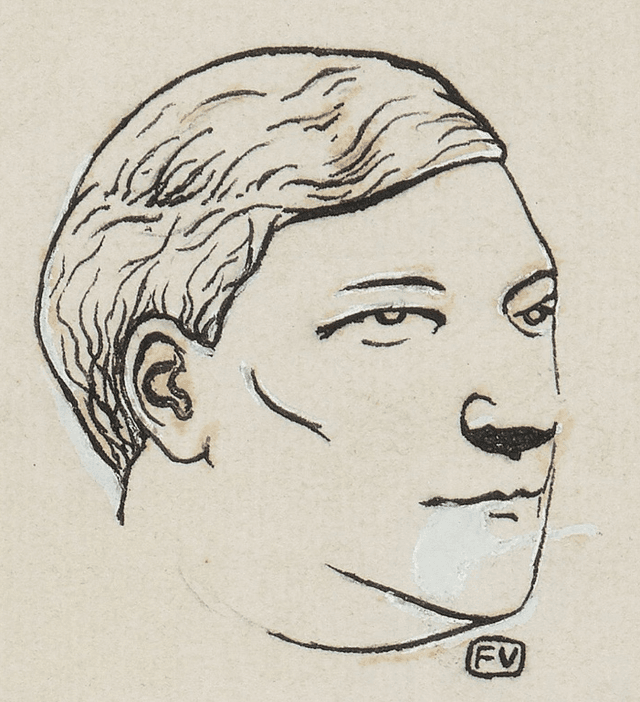
Hugues Rebell
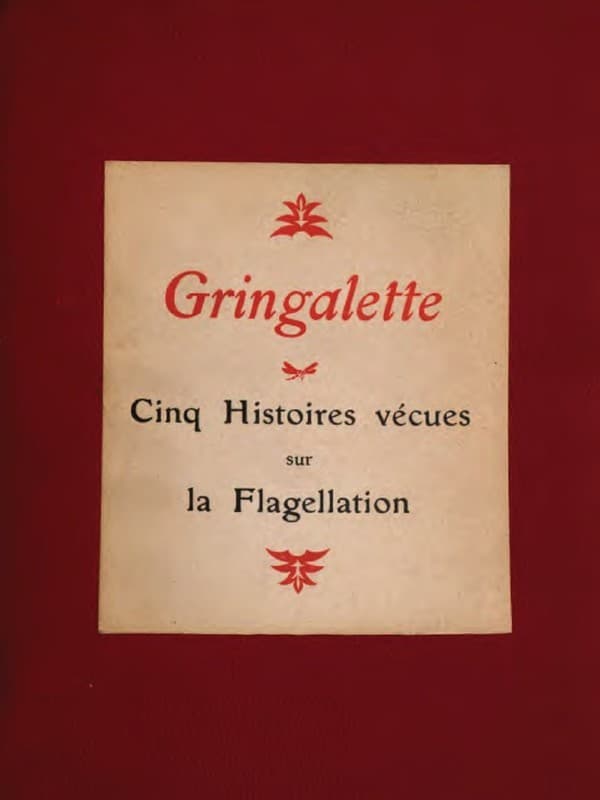
Hugues Rebell, born Georges Grassal de Choffat in Nantes, was a French author known for his provocative writings that challenged the norms of his time. A self-proclaimed pagan who maintained a Catholic identity, Rebell was influenced by the philosophy of Friedrich Nietzsche and became associated with the right-wing nationalist group Action Française. His literary output included a range of works, but he is primarily remembered for his contributions to erotic literature, particularly under the pseudonym 'Jean de Villiot.' His most notable work, 'Les nuits chaudes du Cap Français' (1902), garnered posthumous recognition when it won the Prix Nocturne in 1966, although he was often dismissed as a minor figure in the genre of pornography. In addition to his erotic writings, Rebell was a poet and a polemicist. His collection 'Les Chants de la pluie et du soleil' was dedicated to his friend René Boylesve and is noted for its influence on André Gide's 'Les Nourritures Terrestres.' His work 'Union des trois aristocraties' (1894) explored the interplay of social classes, emphasizing the significance of family name, wealth, and talent. Despite being overshadowed by more prominent contemporaries, Rebell's exploration of themes such as sexuality, class, and identity contributed to the evolving landscape of French literature at the turn of the 20th century, marking him as a figure of interest in the study of literary and cultural history.
Books from the author


Link to this page
Add a free, dofollow link to Lex on your blog, forum, syllabus, or reading list.

<a href="https://lex-books.com/author/hugues-rebell"><img src="https://lex-books.com/badges/read-on-lex.svg" alt="Hugues Rebell on Lex" width="160" height="40"></a>[](https://lex-books.com/author/hugues-rebell)[url=https://lex-books.com/author/hugues-rebell][img]https://lex-books.com/badges/read-on-lex.svg[/img][/url]Hugues Rebell on Lex: https://lex-books.com/author/hugues-rebell