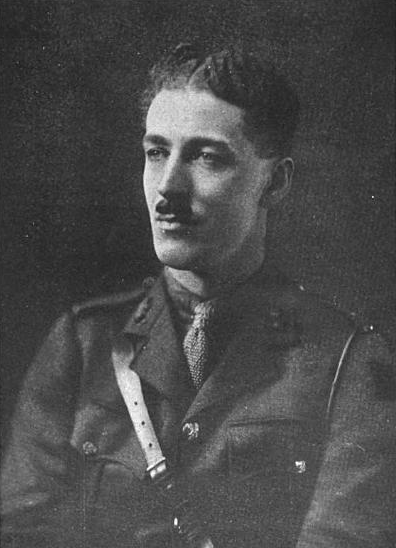
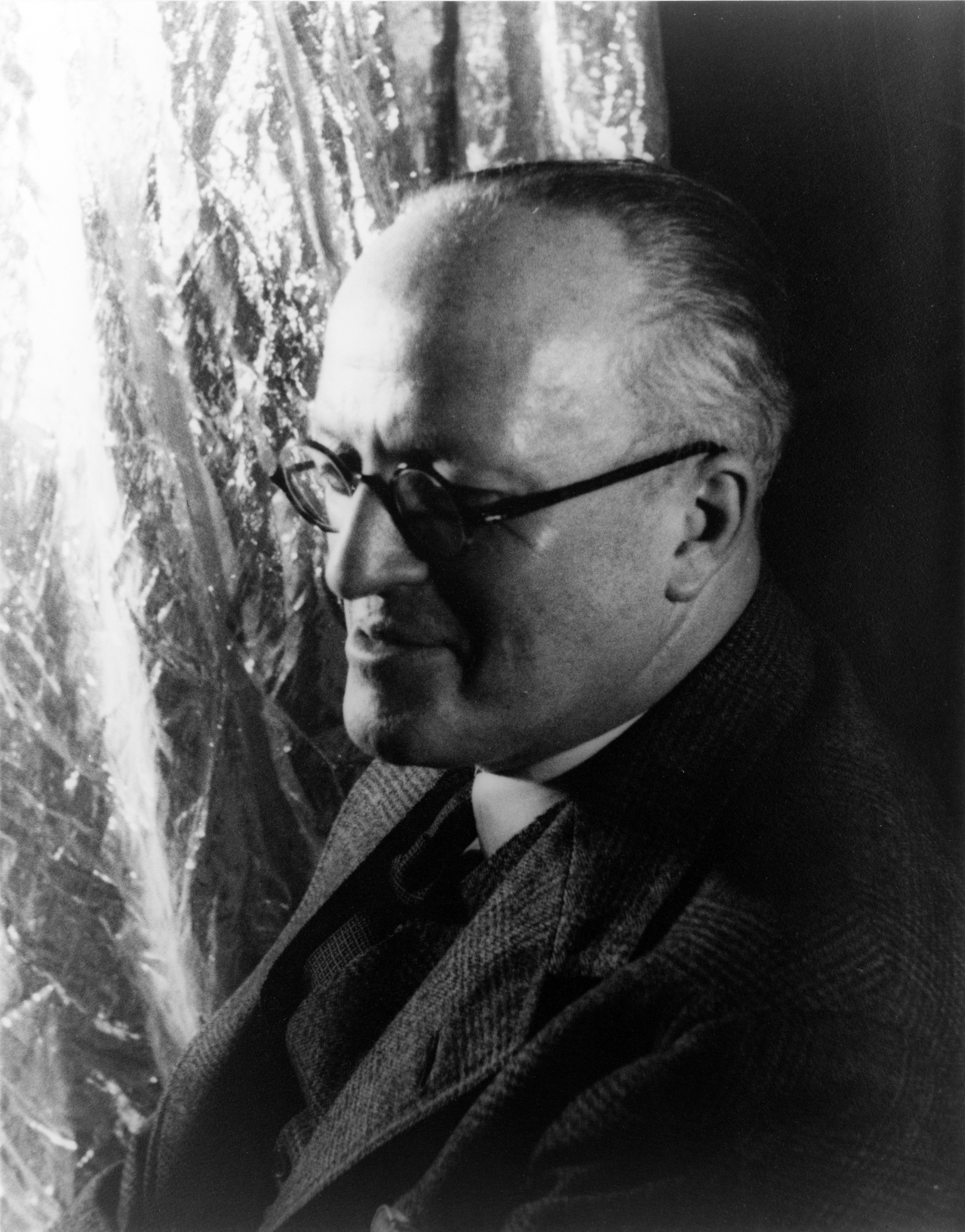
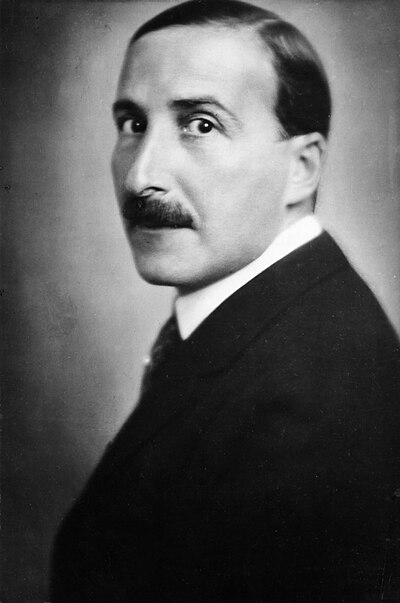
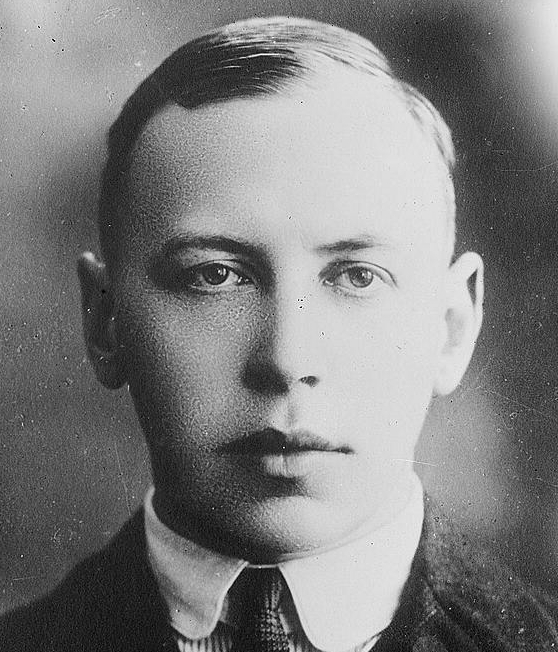
Hugh Gibson
Famous Quotes
View all 18 quotes“These and other familiar expressions speak to the distinct state that is listening: it requires that we press in, wake up, draw close, stop whatever else we are doing. Listening places heavy demands on mind and body alike. It is hard work. For this reason, numerous commentators over the ages have argued that few people truly listen well. Most of us, most of the time, do it poorly, barely, and perhaps not at all. In a radio broadcast titled "Listen to This," the American writer Alice Duer Miller remarked, 'People love to talk but hate to listen... Listening is not merely not talking, though even that is beyond most of our powers; it means taking a vigorous, human interest in what's being told us.' Miller then encapsulated her lesson in a memorable image: 'You can listen like a blank wall or like a splendid auditorium where every sound comes back fuller and richer.””
“For the community's quieter members, the call to humble listening is, seemingly paradoxically, a call to speak up. If others build an auditorium for you, you do them a disservice if you fail to sing. As we noted above, humble listening must declare itself: you are simply not listening well if you don't talk back. When your peers speak, they need to hear from you. At the very least, they need to know that they have been properly understood, and they often need to receive your comments and criticisms so that they can improve their ideas and arguments. The same is true when you speak up. In his "Prayer Before Study," Aquinas reminds us that we have been born into the "twofold darkness" of "sin and ignorance." As limited creatures who are prone to error, we need to hear from others.””
“Viewing writing as exploration means that you don't have to have it all worked out before you begin. We find just such a sentiment modeled by Augustine. Responding to a criticism of his book on free will, he wrote, 'I endeavor to be one of those who write because they have made some progress, and who, by means of writing, make further progress.' Similarly, the twentieth-century Catholic writer Flannery O'Connor admitted, 'I have to write to discover what I am doing. Like the old lady, I don't know so well what I think until I see what I say; then I have to say it over again.' Simply stated: we may write ””
Books from the author





Link to this page
Add a free, dofollow link to Lex on your blog, forum, syllabus, or reading list.

<a href="https://lex-books.com/author/hugh-gibson"><img src="https://lex-books.com/badges/read-on-lex.svg" alt="Hugh Gibson on Lex" width="160" height="40"></a>[](https://lex-books.com/author/hugh-gibson)[url=https://lex-books.com/author/hugh-gibson][img]https://lex-books.com/badges/read-on-lex.svg[/img][/url]Hugh Gibson on Lex: https://lex-books.com/author/hugh-gibson