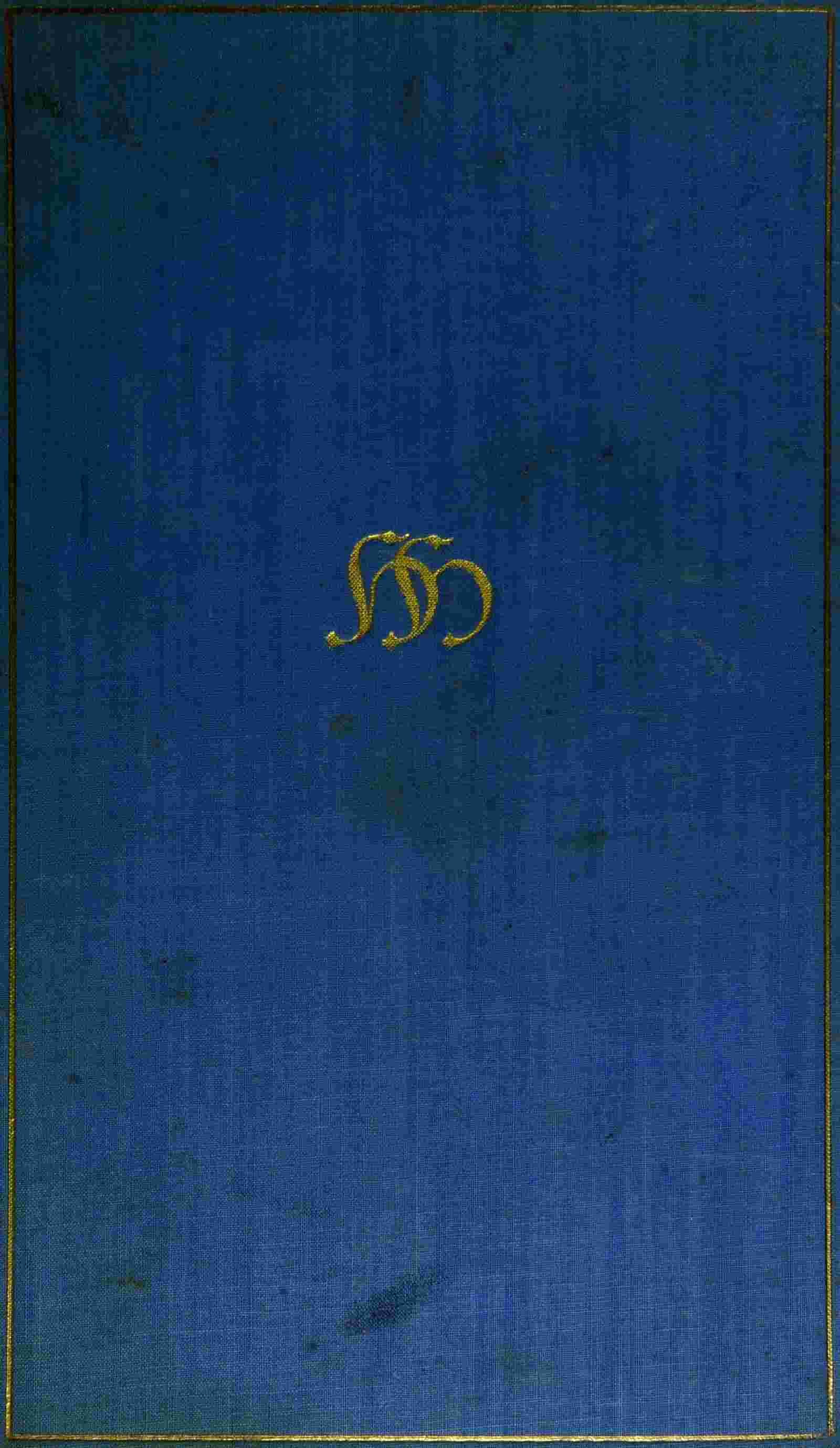
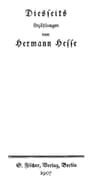
Diesseits: Erzählungen
1907

Before Hermann Hesse became the Nobel laureate who gave readers 'Siddhartha' and 'Steppenwolf,' he wrote this elegiac collection about the things we lose by growing up. The narrator immerses himself in vivid memory, recalling the spring of his youth, the orchards heavy with fruit, and the boy named Brosi who once ran beside him through the fields, and who now lies dying. These are not sentimental recollections but something more honest: attempts to recover a self that slips further away with each passing year, to hold onto the luminous way children see the world before experience dulls that vision. Hesse would spend his career wrestling with the tension between the divine spark of childhood and the compromises of adult existence, and here, in this early work, that lifelong obsession takes root. The writing pulses with sensory life, light moving through leaves, the weight of moments that seemed they would last forever. For readers who have felt the particular ache of remembering happiness too well, and for those who know that the past is not just gone but fundamentally unreachable, these stories speak to something that lives beneath language.
Editions
Link to this book
Add a free, dofollow link to Lex on your blog, forum, syllabus, or reading list.

<a href="https://lex-books.com/book/diesseits-erz-hlungen-53aec7cb-dc76-4e0b-ad0a-42953d8cac09"><img src="https://lex-books.com/badges/read-on-lex.svg" alt="Read Diesseits: Erzählungen by Hermann Hesse free on Lex" width="160" height="40"></a>[](https://lex-books.com/book/diesseits-erz-hlungen-53aec7cb-dc76-4e0b-ad0a-42953d8cac09)[url=https://lex-books.com/book/diesseits-erz-hlungen-53aec7cb-dc76-4e0b-ad0a-42953d8cac09][img]https://lex-books.com/badges/read-on-lex.svg[/img][/url]Read Diesseits: Erzählungen by Hermann Hesse free on Lex: https://lex-books.com/book/diesseits-erz-hlungen-53aec7cb-dc76-4e0b-ad0a-42953d8cac09Cite this book
Reading this edition for a paper or guide? Copy a citation.
Hesse, Hermann. Diesseits: Erzählungen. Lex, lex-books.com/book/diesseits-erz-hlungen-53aec7cb-dc76-4e0b-ad0a-42953d8cac09.Hesse, H. (1907). Diesseits: Erzählungen. Lex. https://lex-books.com/book/diesseits-erz-hlungen-53aec7cb-dc76-4e0b-ad0a-42953d8cac09Hesse, Hermann. Diesseits: Erzählungen. Lex. https://lex-books.com/book/diesseits-erz-hlungen-53aec7cb-dc76-4e0b-ad0a-42953d8cac09.