
Henry Seidel Canby
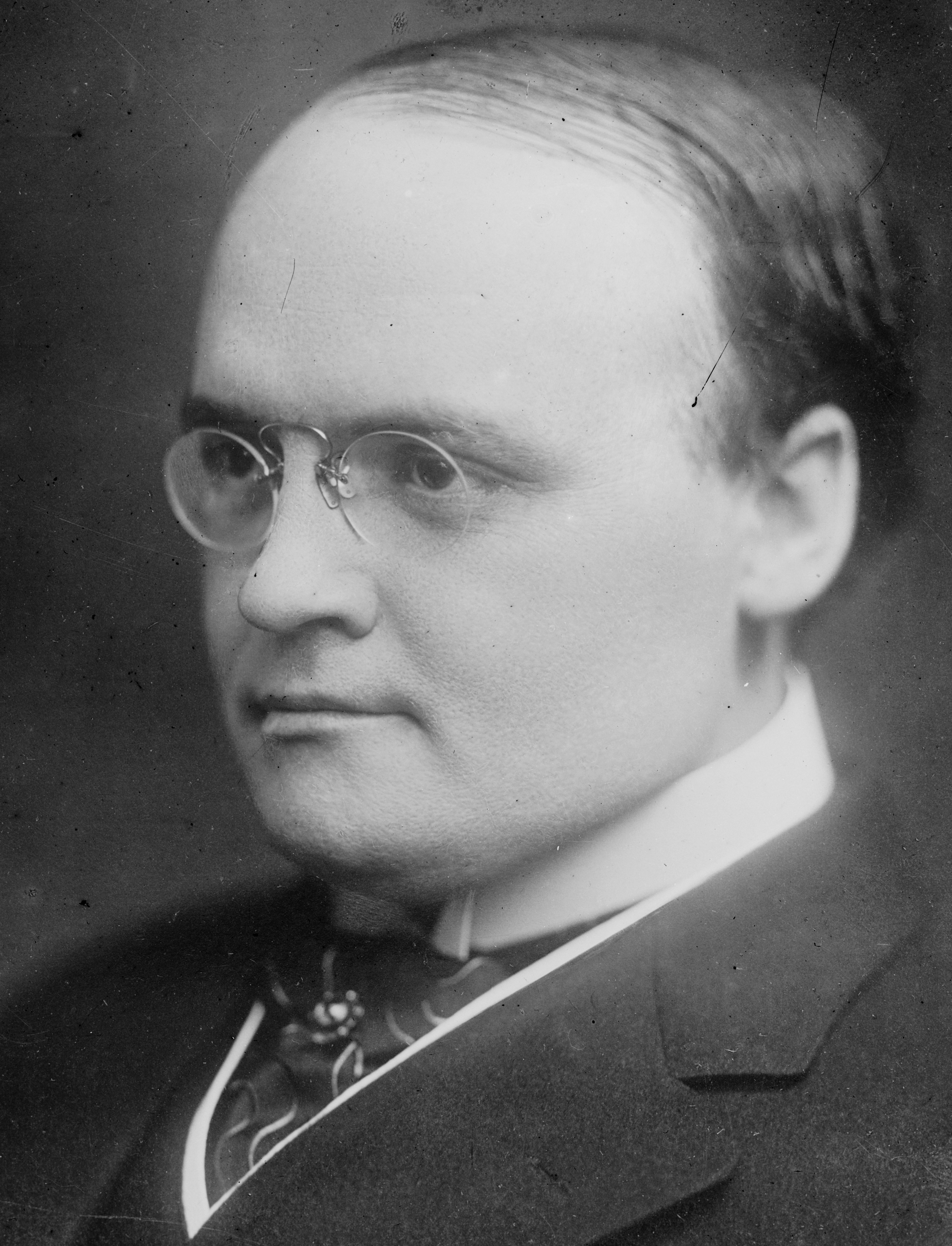
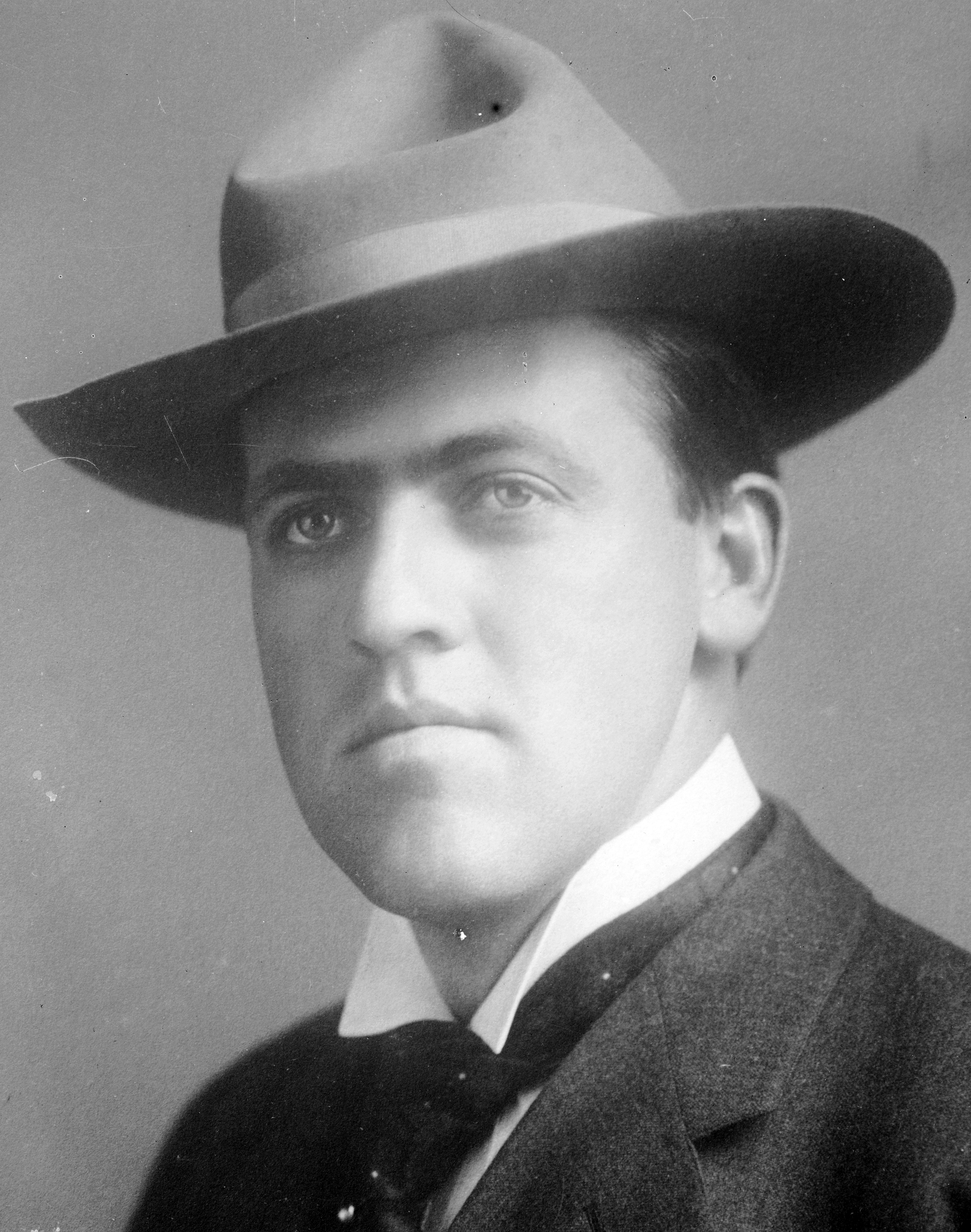
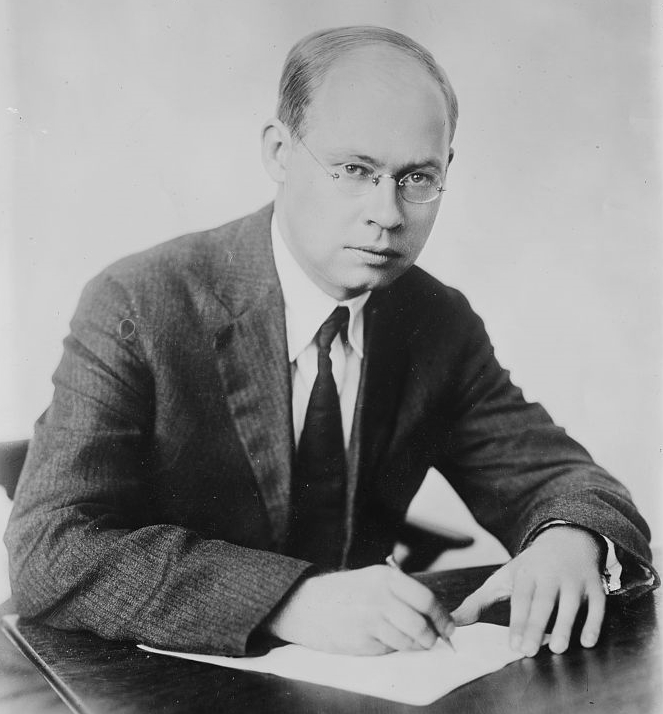
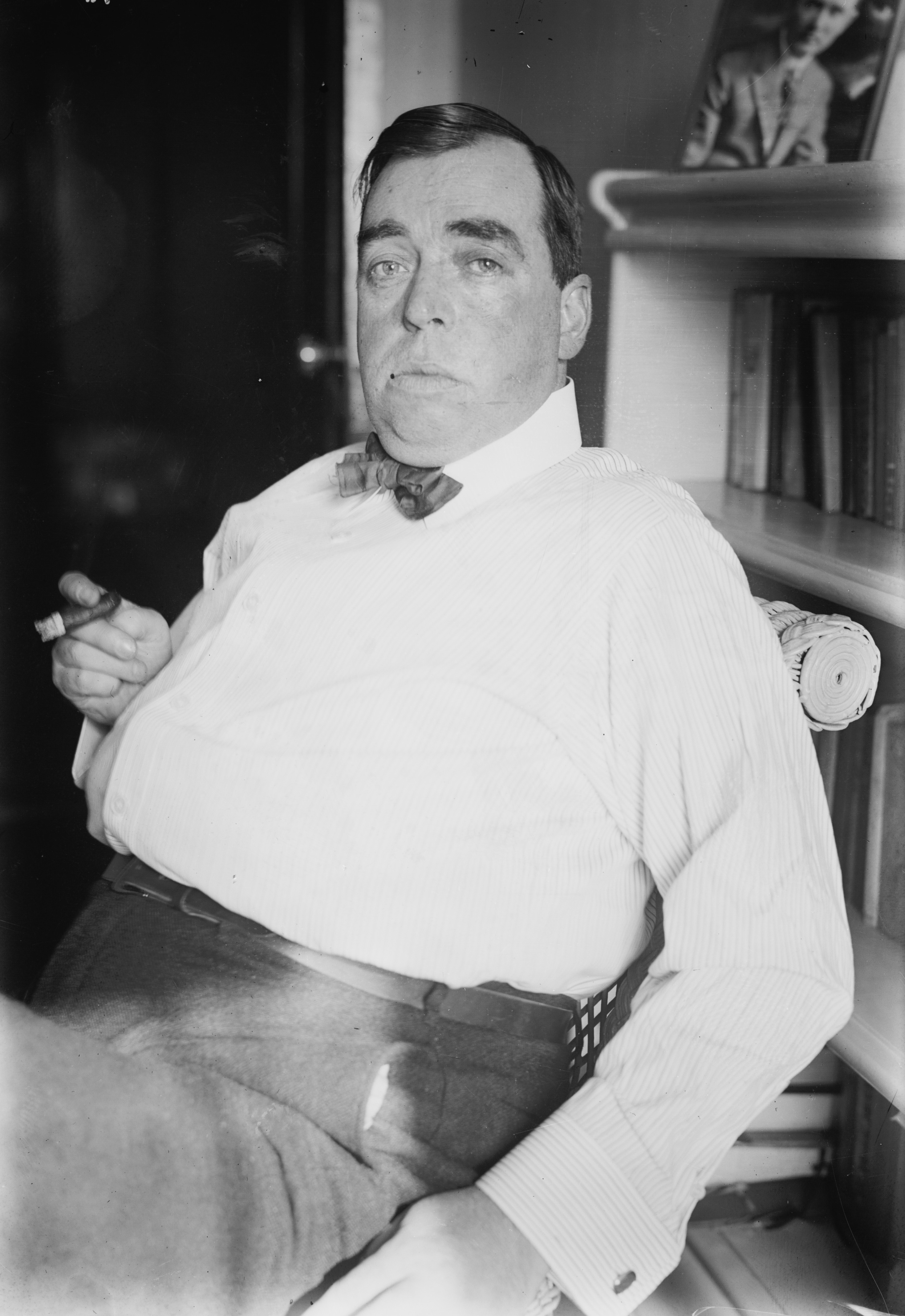
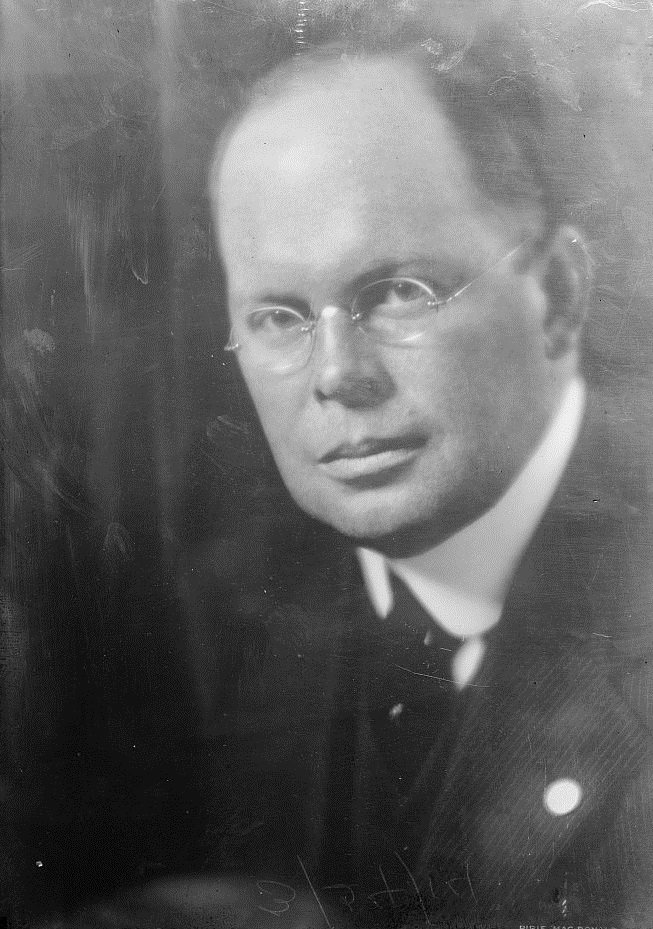
Henry Seidel Canby was a prominent American literary critic, editor, and professor whose influence shaped the landscape of 20th-century literature. Born into a distinguished Quaker family in Wilmington, Delaware, he graduated from Yale University in 1899 and subsequently joined its faculty, eventually becoming a professor in 1922. Canby's editorial career began with a four-year tenure at the New York Evening Post, where he honed his literary voice before co-founding the Saturday Review of Literature, which he edited until 1936. His work in the Saturday Review was instrumental in popularizing significant literary movements, including the 'Pareto vogue' of the 1930s, highlighting his role in the cultural dialogues of his time. In addition to his editorial achievements, Canby served as the Editorial Chair of the Book of the Month Club, a venture that aimed to cultivate middlebrow culture by selecting notable literary works for a wider audience. His selections often challenged conventional tastes, reflecting his belief in the importance of literature as a means of cultural enrichment. Canby's contributions to literary criticism and his efforts to bridge the gap between highbrow and popular literature solidified his legacy as a key figure in American literary history, influencing both readers and writers alike during a transformative period in the arts.
Famous Quotes
View all 2 quotes“There must always be a fringe of the experimental in literature--poems bizarre in form and curious in content, stories that overreach for what has not hitherto been put in story form, criticism that mingles a search for new truth with bravado. We should neither scoff at this trial margin nor take it too seriously. Without it, literature becomes inert and complacent. But the everyday person's reading is not, ought not to be, in the margin. He asks for a less experimental diet, and his choice is sound. If authors and publishers would give him more heed they would do wisely. They are afraid of the swarming populace who clamor for vulgar sensation (and will pay only what it is worth), and they are afraid of petulant literati who insist upon sophisticated sensation (and desire complimentary copies). The stout middle class, as in politics and industry, has far less influence than its good sense and its good taste and its ready purse deserve.”
“Good writing is always a breaking of the soil, clearing away prejudices, pulling up of sour weeds of crooked thinking, stripping the turf so as to get at what is fertile beneath. It would be amusing to carry the simile further. Those bulbs that flower in the sand and wither! The gay fiction annual that has to be planted again every year! Those experimental plants from Russia, France, and Greenwich Village that are always getting winter killed—confound 'em!—is it worth while planting them again? The stocky perennial that keeps coming up and coming up—so easy to grow and so ugly. Scarlet sage that gives a touch of fiery sin to the edge of the suburbanite's concrete walk! And then the good flowers—as honest as they are beautiful! The well-ordered gar den! The climbing rose that escapes and is the most beautiful of all!”
Books from the author
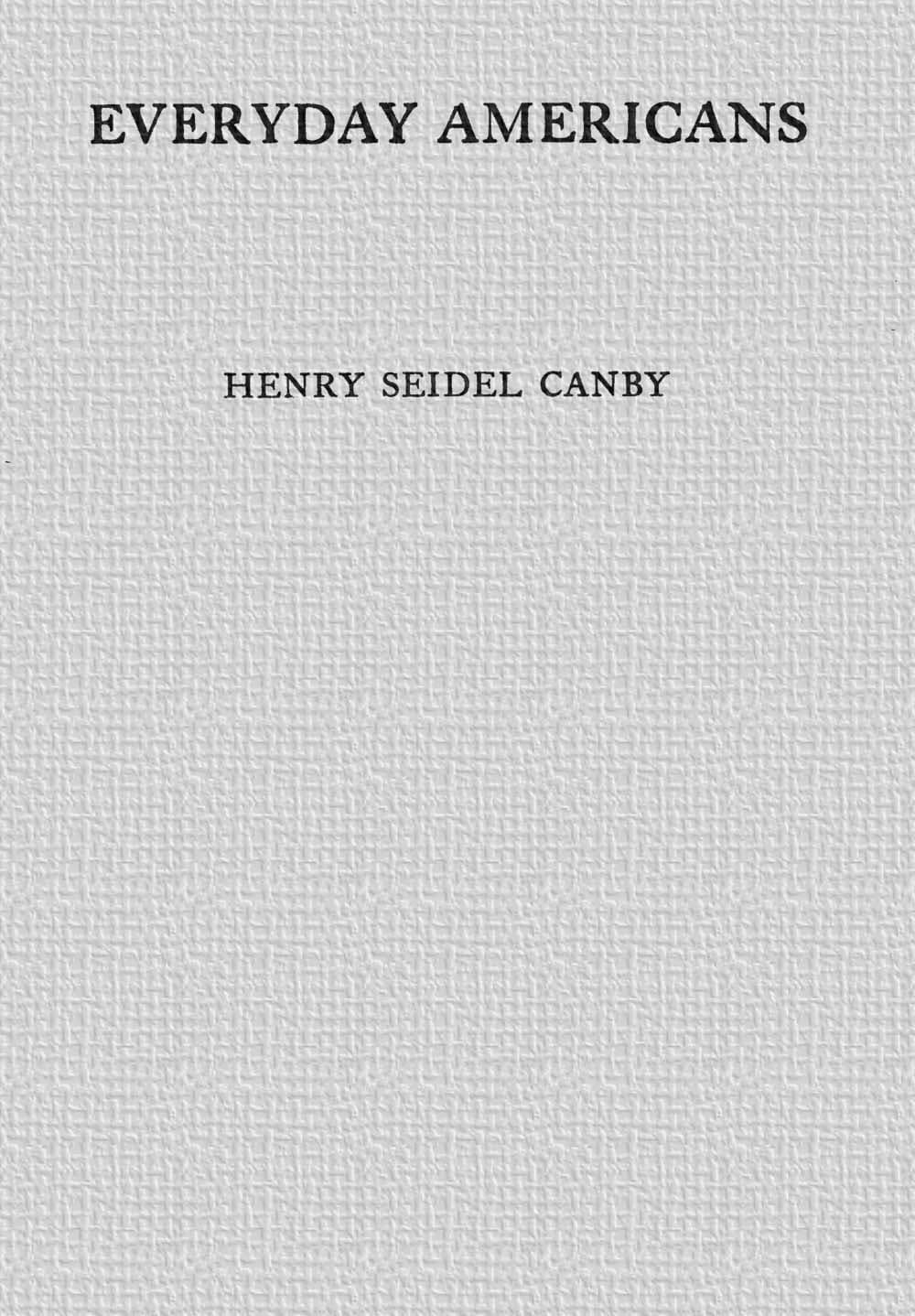




Link to this page
Add a free, dofollow link to Lex on your blog, forum, syllabus, or reading list.

<a href="https://lex-books.com/author/henry-seidel-canby"><img src="https://lex-books.com/badges/read-on-lex.svg" alt="Henry Seidel Canby on Lex" width="160" height="40"></a>[](https://lex-books.com/author/henry-seidel-canby)[url=https://lex-books.com/author/henry-seidel-canby][img]https://lex-books.com/badges/read-on-lex.svg[/img][/url]Henry Seidel Canby on Lex: https://lex-books.com/author/henry-seidel-canby