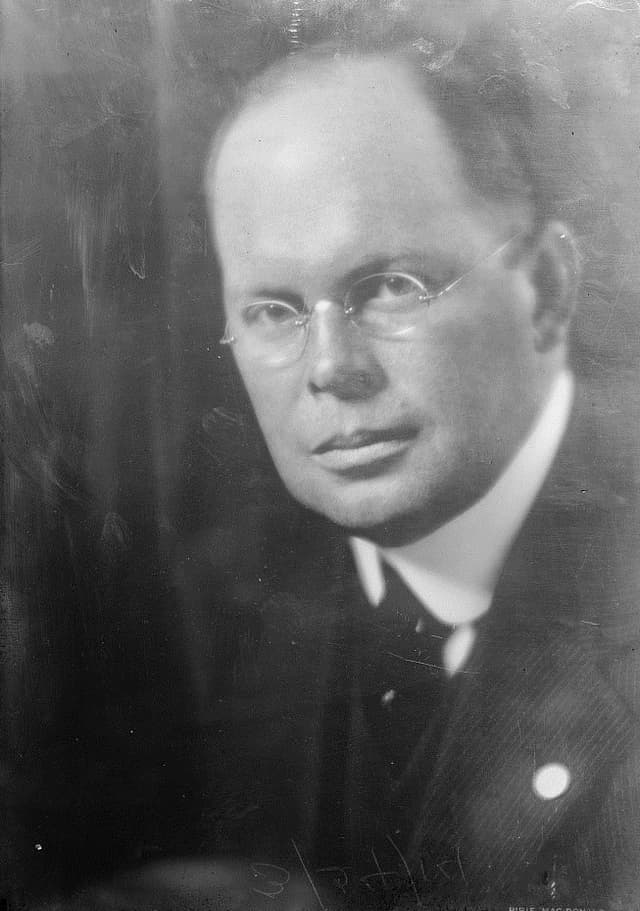
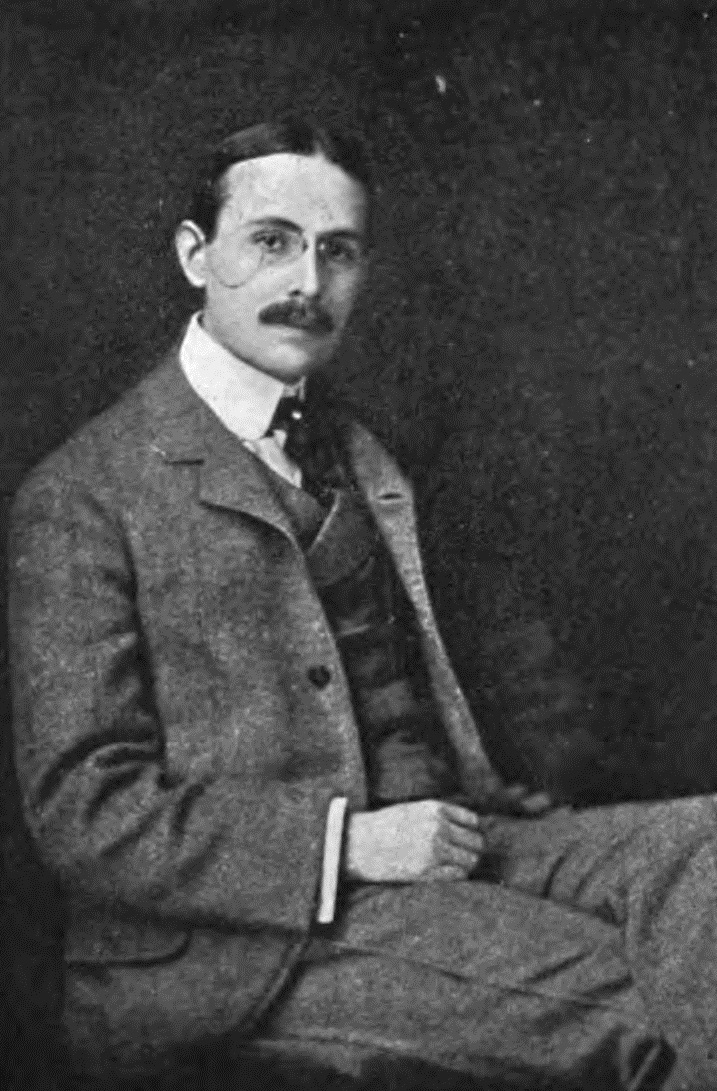
Samuel Merwin
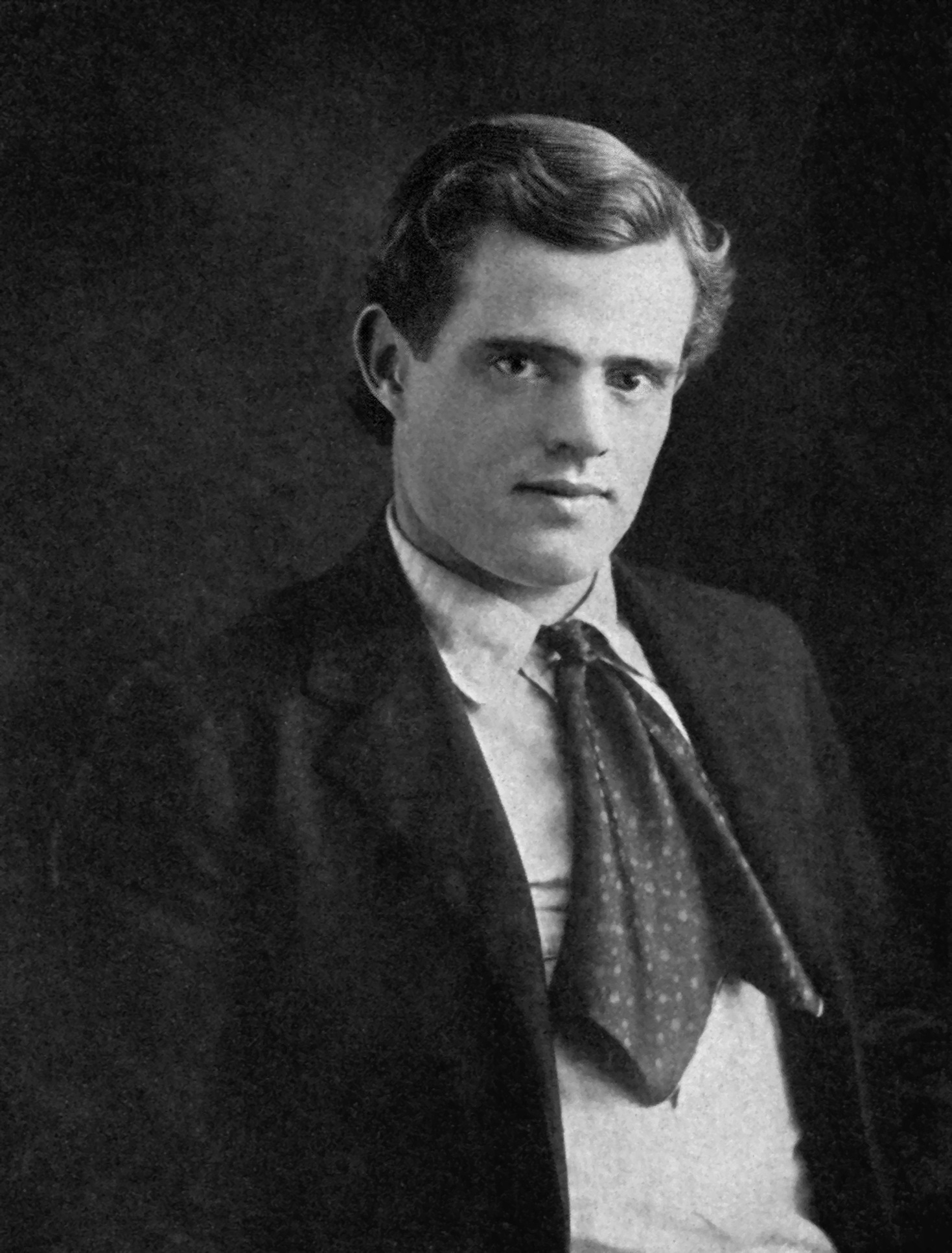
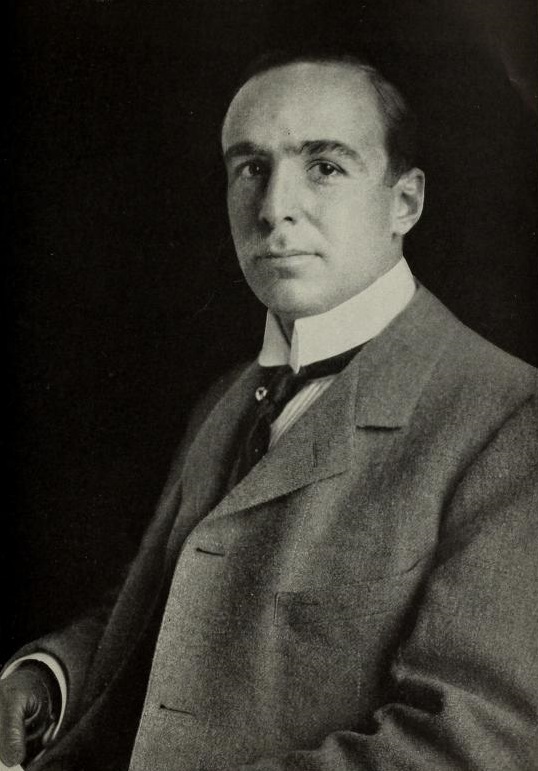
Samuel Merwin was an American author and playwright known for his contributions to early 20th-century literature. Born in 1874, he began his career as a journalist before transitioning to fiction writing. Merwin's works often explored themes of human experience and social dynamics, reflecting the complexities of life during a rapidly changing era. He gained prominence with novels such as "The Woman Who Did" and "The Road to Understanding," which showcased his ability to weave intricate narratives that delved into the human psyche and societal expectations. Merwin's literary significance lies not only in his storytelling but also in his role as a voice for the modernist movement. He was part of a generation of writers who sought to break away from traditional forms and explore new narrative techniques. His plays, including adaptations of his own novels, further demonstrated his versatility as a writer. Despite being overshadowed by contemporaries, Merwin's works have been recognized for their innovative approach and depth, contributing to the broader landscape of American literature in the early 20th century. His legacy endures as a testament to the evolving nature of storytelling during a pivotal time in literary history.
Famous Quotes
View all 1 quotes“No use,” he said. “You see, these fellows don’t know much. They aren’t like skilled laborers who need to be sharp to do their jobs. They’re just common workers, and most of them have gunpowder instead of brains. They don’t want facts or reason; what they like is Grady’s oratory. They think it’s the finest thing they have ever heard. They might all be perfectly satisfied and eager to work, but if Grady asked them if they wanted to be slaves, they’d all go on strike as fast as a freight train rolling downhill.””
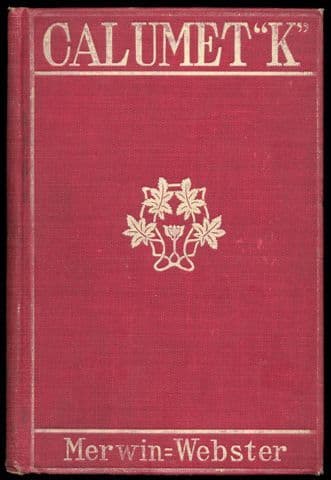
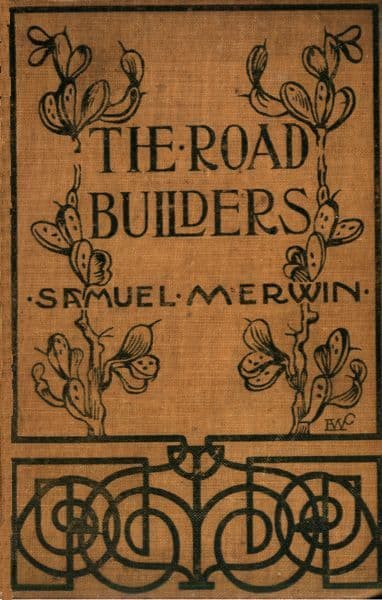
Books from the author
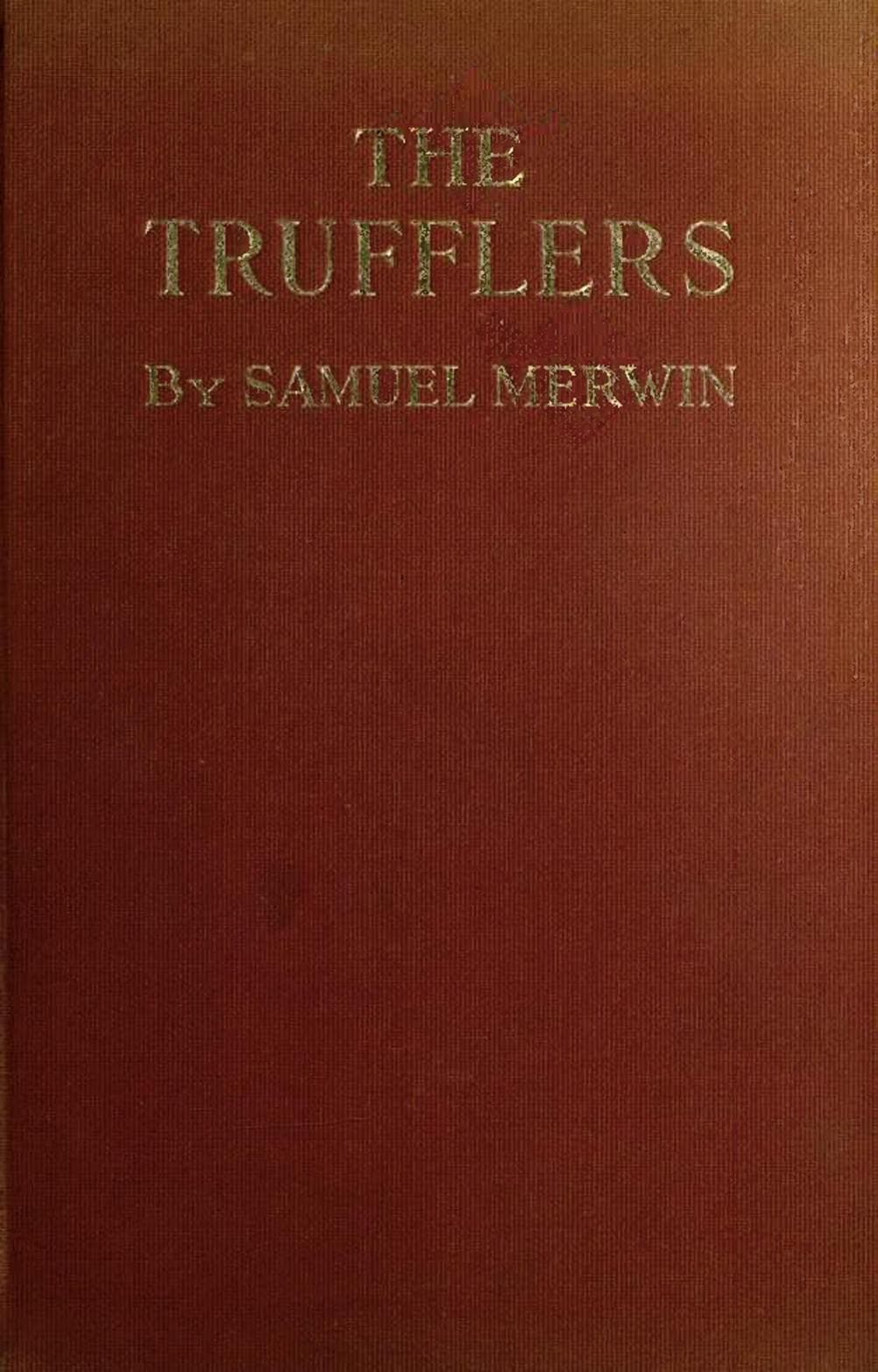
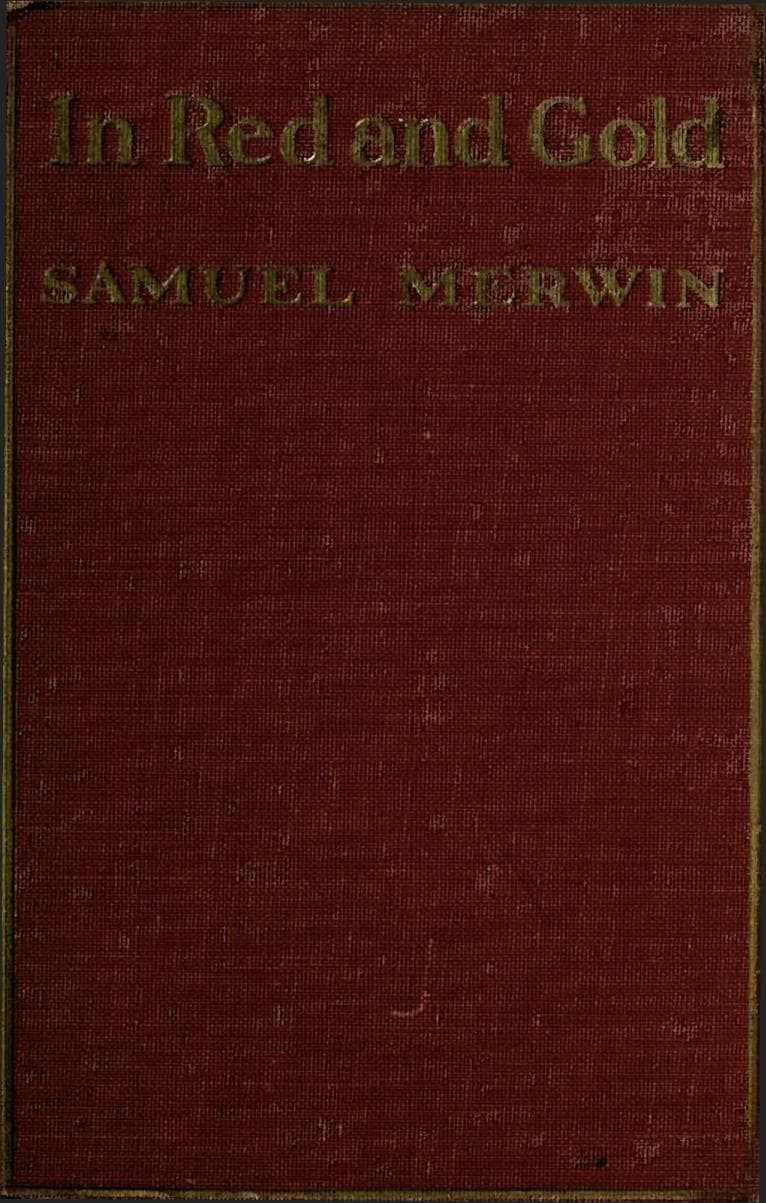

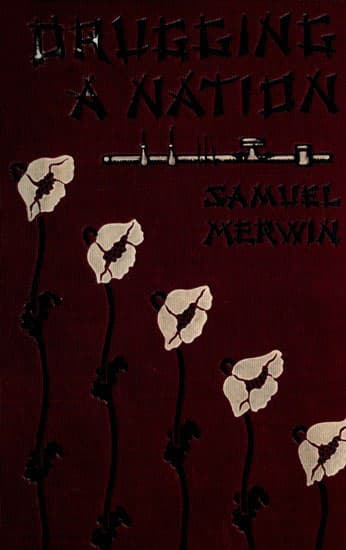






Link to this page
Add a free, dofollow link to Lex on your blog, forum, syllabus, or reading list.

<a href="https://lex-books.com/author/samuel-merwin"><img src="https://lex-books.com/badges/read-on-lex.svg" alt="Samuel Merwin on Lex" width="160" height="40"></a>[](https://lex-books.com/author/samuel-merwin)[url=https://lex-books.com/author/samuel-merwin][img]https://lex-books.com/badges/read-on-lex.svg[/img][/url]Samuel Merwin on Lex: https://lex-books.com/author/samuel-merwin