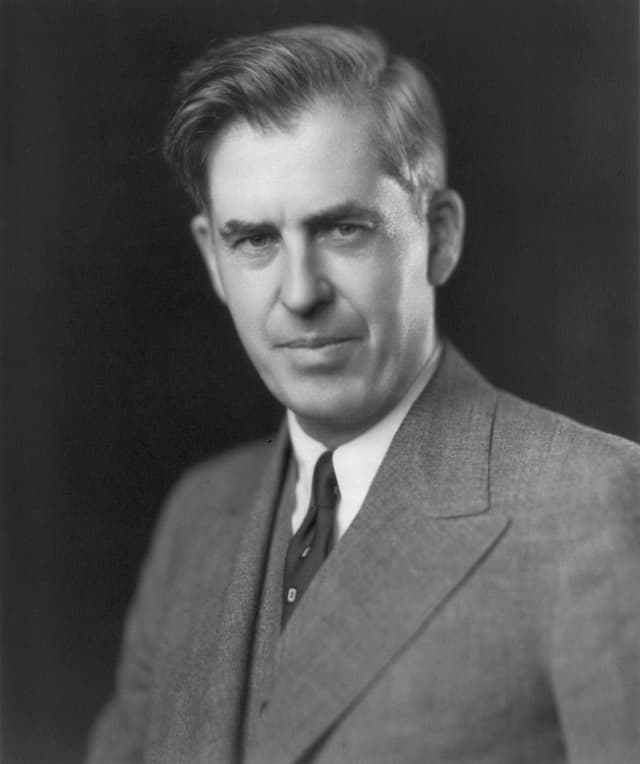
Henry A. Wallace
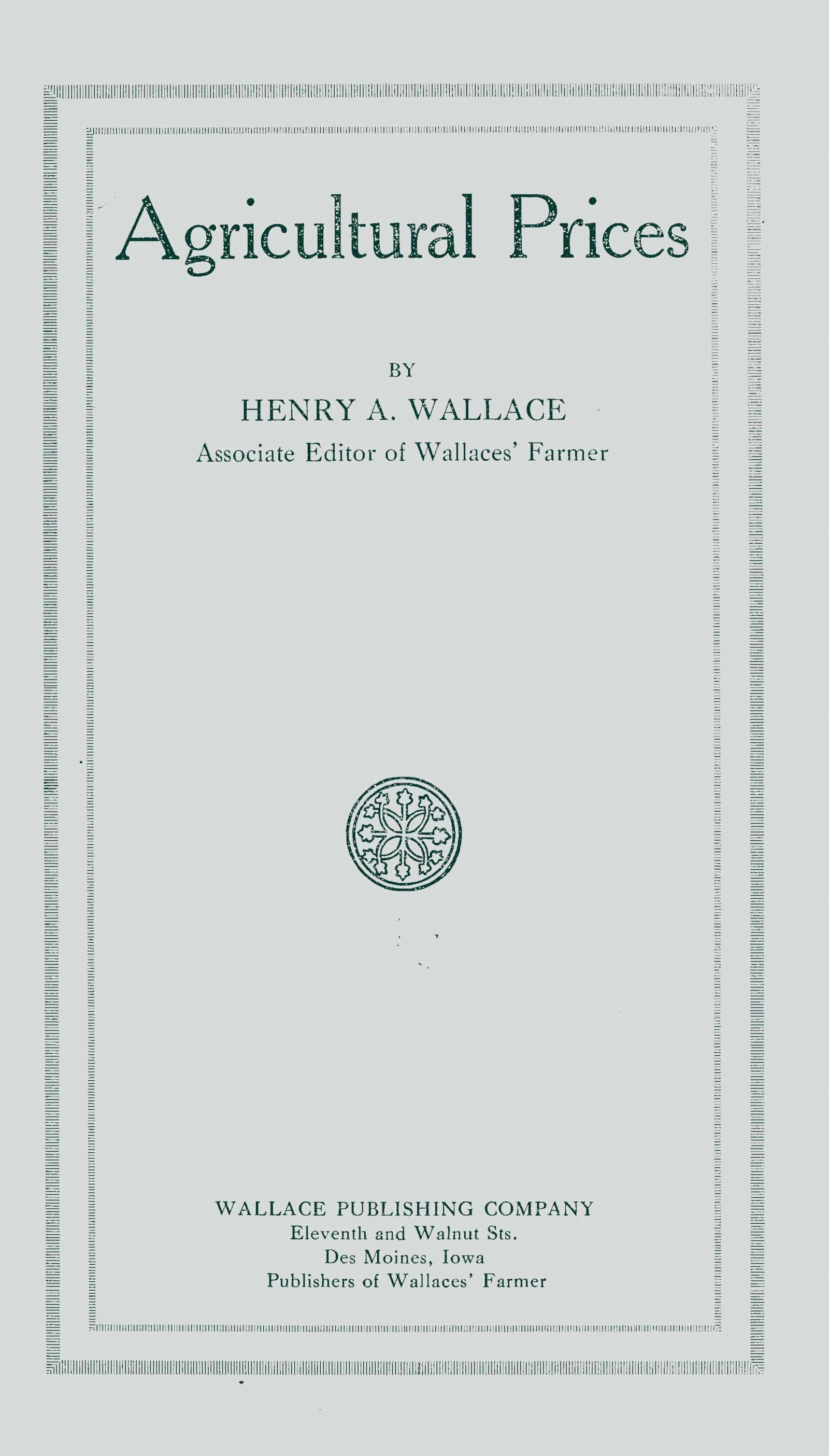
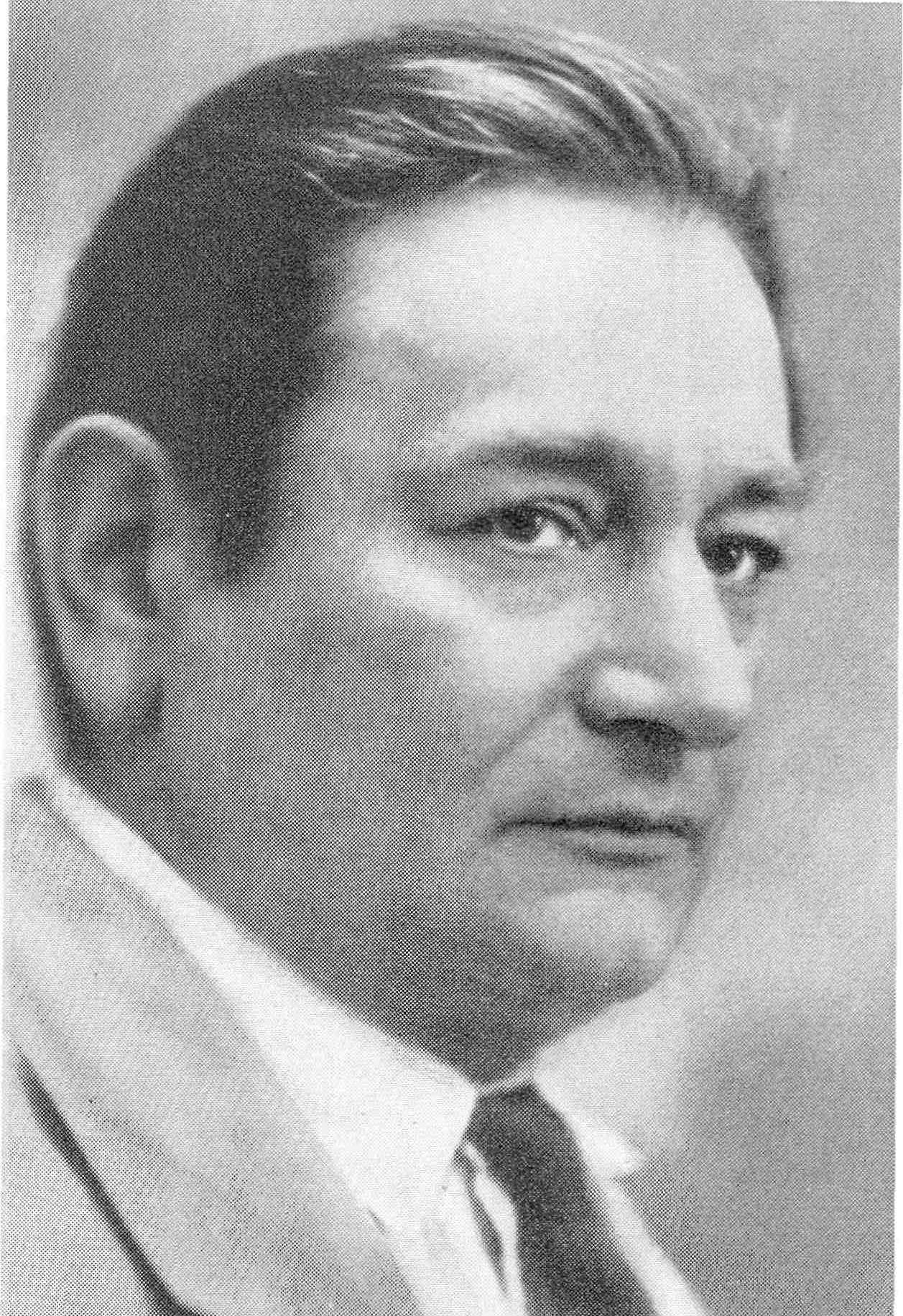
Henry A. Wallace was an influential American politician, agricultural expert, and writer who played a significant role in shaping U.S. agricultural policy during the 20th century. Born in 1888, he served as the Secretary of Agriculture under President Franklin D. Roosevelt, where he was instrumental in implementing New Deal programs aimed at revitalizing the American farming sector during the Great Depression. His deep understanding of agricultural economics led him to advocate for policies that supported farmers and aimed to stabilize agricultural prices, a theme he explored in his notable work, 'Agricultural Prices.' This book provided critical insights into the complexities of agricultural markets and the challenges faced by farmers, reflecting Wallace's commitment to improving the livelihoods of rural Americans. Wallace's legacy extends beyond his contributions to agriculture; he was also a progressive voice in American politics, advocating for social justice and civil rights. He later served as Vice President under Harry S. Truman, where he continued to promote policies that aligned with his vision of a more equitable society. His work and writings have had a lasting impact on agricultural policy and continue to be referenced in discussions about food security and economic stability in farming. Wallace's dedication to the agricultural community and his progressive ideals mark him as a significant figure in American history, whose influence is still felt today.
Famous Quotes
View all 6 quotes“The really dangerous American fascist... is the man who wants to do in the United States in an American way what Hitler did in Germany in a Prussian way. The American fascist would prefer not to use violence. His method is to poison the channels of public information. With a fascist the problem is never how best to present the truth to the public but how best to use the news to deceive the public into giving the fascist and his group more money or more power... They claim to be super-patriots, but they would destroy every liberty guaranteed by the Constitution. They demand free enterprise, but are the spokesmen for monopoly and vested interest. Their final objective, toward which all their deceit is directed, is to capture political power so that, using the power of the state and the power of the market simultaneously, they may keep the common man in eternal subjection.~quoted in the New York Times, April 9, 1944””
“The American fascists are most easily recognized by their deliberate perversion of truth and fact.””
“The American fascist would prefer not to use violence. His method is to poison the channels of public information.””
Books from the author



Link to this page
Add a free, dofollow link to Lex on your blog, forum, syllabus, or reading list.

<a href="https://lex-books.com/author/henry-a-wallace"><img src="https://lex-books.com/badges/read-on-lex.svg" alt="Henry A. Wallace on Lex" width="160" height="40"></a>[](https://lex-books.com/author/henry-a-wallace)[url=https://lex-books.com/author/henry-a-wallace][img]https://lex-books.com/badges/read-on-lex.svg[/img][/url]Henry A. Wallace on Lex: https://lex-books.com/author/henry-a-wallace