
William R. Scott
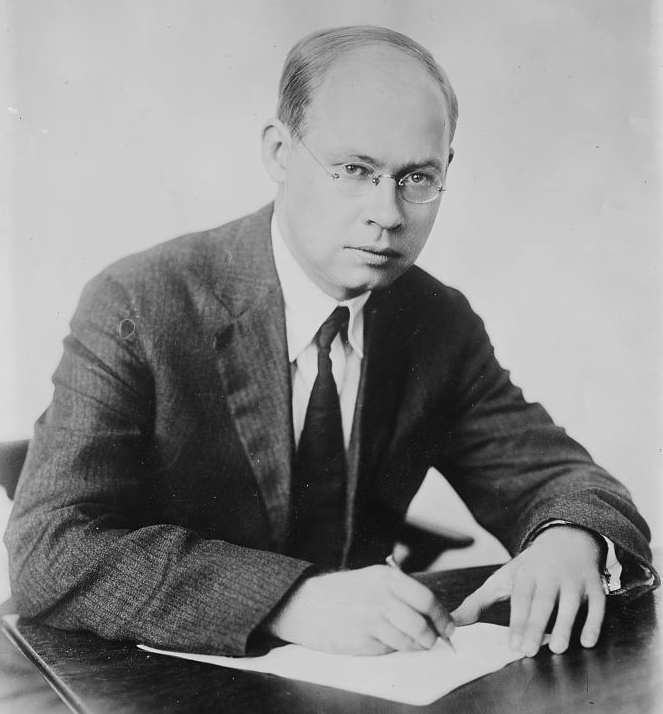
William R. Scott was an American author and social commentator, best known for his insightful examination of societal norms and behaviors. His most notable work, "The Itching Palm: A Study of the Habit of Tipping in America," published in 1916, delves into the cultural practice of tipping, exploring its implications on social interactions and economic structures. Through a blend of humor and critical analysis, Scott challenged the reader to reconsider the ethics and motivations behind tipping, making his work both a reflection of his time and a commentary on the evolving nature of American society. Scott's exploration of tipping was not merely a critique but also a broader investigation into the dynamics of power and class in America. By addressing a commonplace yet often overlooked aspect of daily life, he illuminated the complexities of human relationships and the often unspoken rules that govern them. His work remains significant for its early engagement with issues of social justice and economic inequality, positioning him as a thoughtful observer of American culture in the early 20th century. Scott's legacy endures as a precursor to contemporary discussions about tipping and service industries, marking him as a unique voice in American literature.
Famous Quotes
View all 17 quotes“All prizes, like all titles, are dangerous. The seekers for prizes tend to labor not for inherent excellence but for alien rewards; they tend to write this, or timorously to avoid writing that, in order to tickle the prejudices of a haphazard committee.””
“And it is probably that only on the brink of eternity most of us become conscious how silly and useless hate is.””
“it breaks my heart when I think of those last few moments when the thought came to him that he could best serve his friends by removing himself from among them.””
Books from the author




Link to this page
Add a free, dofollow link to Lex on your blog, forum, syllabus, or reading list.

<a href="https://lex-books.com/author/william-r-scott"><img src="https://lex-books.com/badges/read-on-lex.svg" alt="William R. Scott on Lex" width="160" height="40"></a>[](https://lex-books.com/author/william-r-scott)[url=https://lex-books.com/author/william-r-scott][img]https://lex-books.com/badges/read-on-lex.svg[/img][/url]William R. Scott on Lex: https://lex-books.com/author/william-r-scott