Wallace Thompson
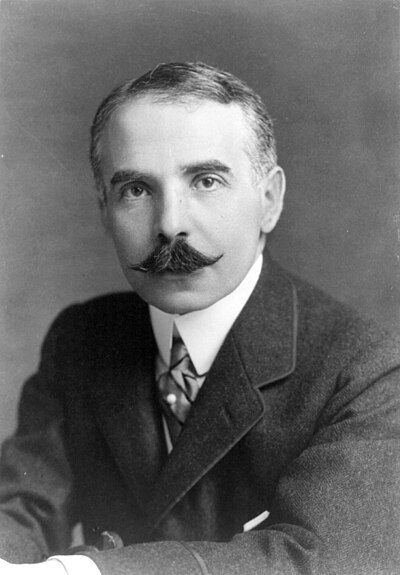
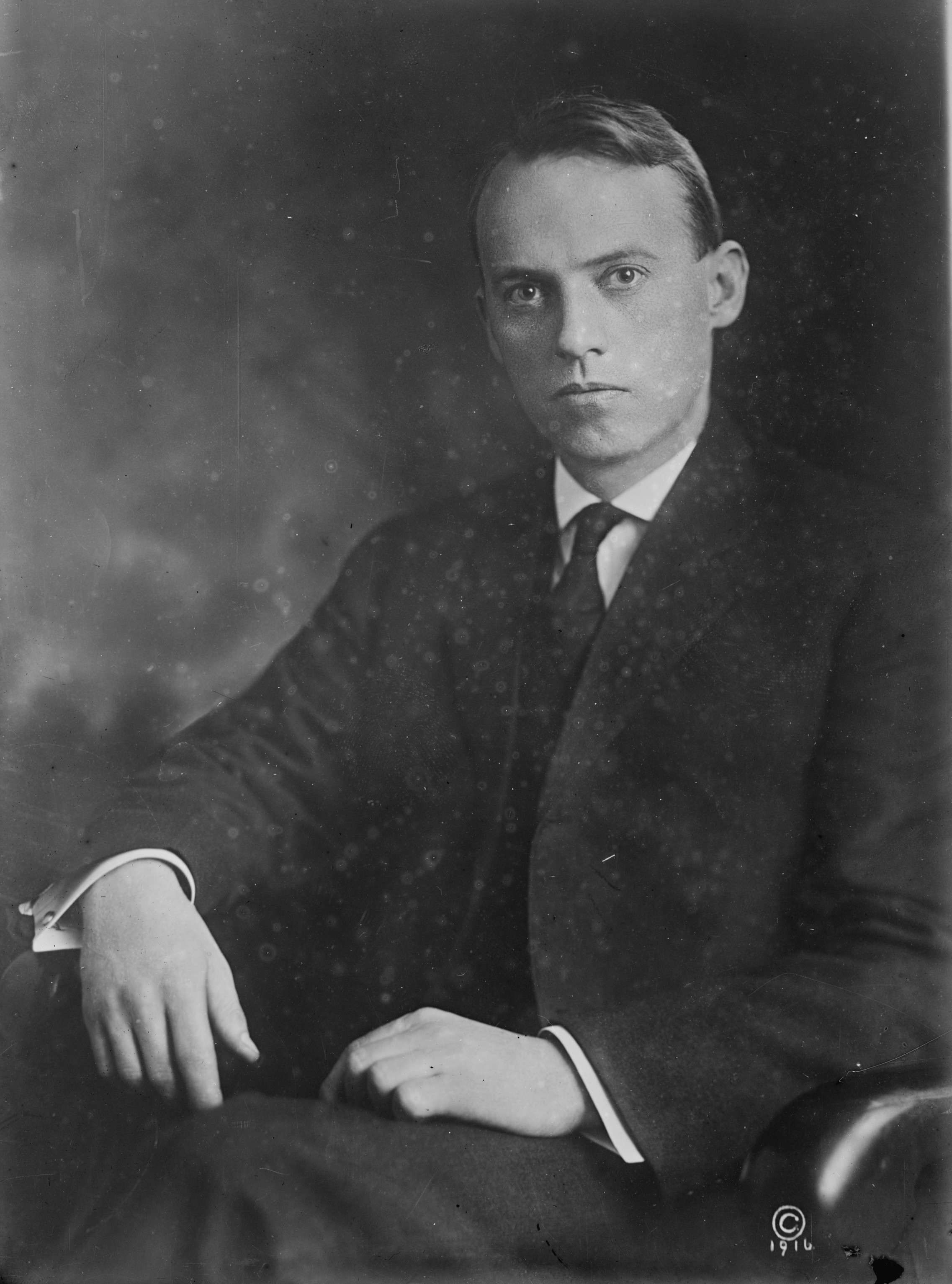
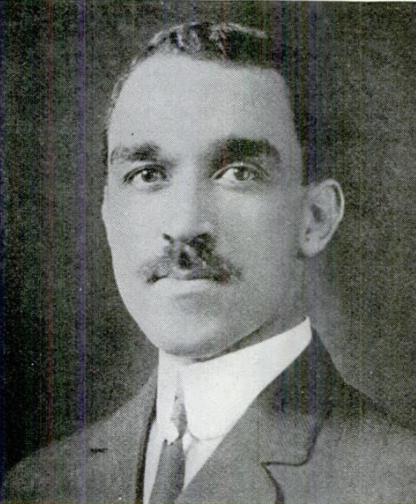
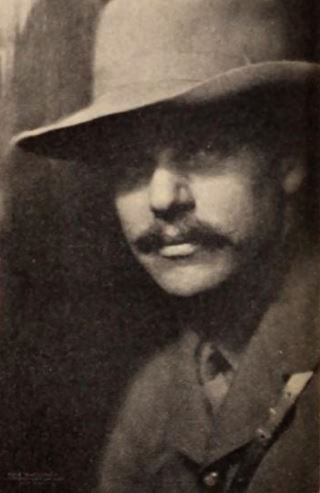
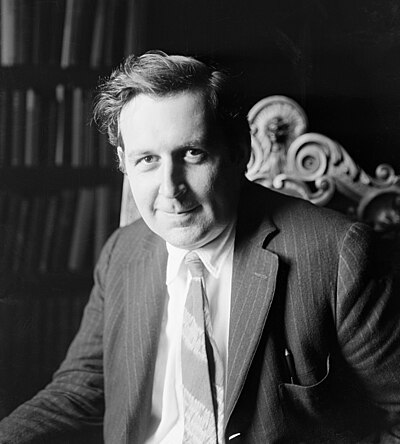
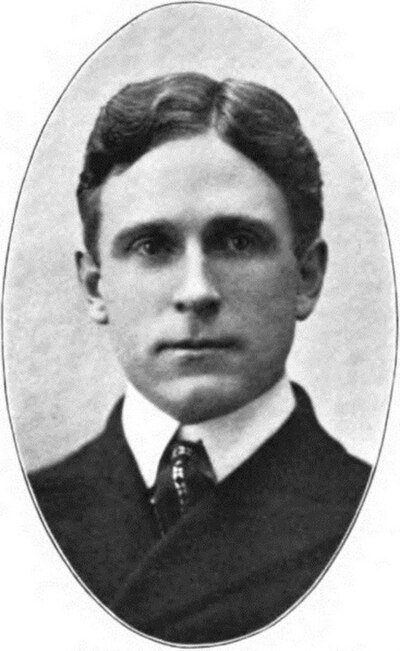
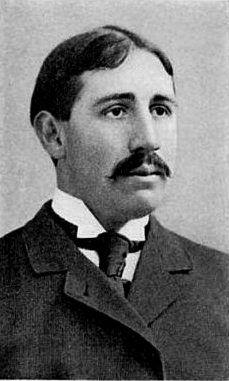
Wallace Thompson was an influential American lawyer and politician, known for his service in the Illinois State Senate and his commitment to public service. Born in Galesburg, Illinois, he pursued higher education at Knox College before serving in the United States Army during World War I. After the war, Thompson earned his law degree from Harvard Law School, returning to Galesburg to practice law. His legal career included notable roles such as attorney for The Labor News and legal representative for the Galesburg School Board, showcasing his dedication to both the community and labor rights. Thompson's political career began in earnest when he was elected to the Illinois State Senate, where he served from 1943 until his untimely death in 1952. As a Republican, he was actively involved in state politics and was in Chicago to discuss his candidacy for the Republican nomination for Lieutenant Governor at the time of his passing. His contributions to local governance and law reflect a commitment to public service that left a lasting impact on his community, marking him as a significant figure in Illinois politics during his era.
Famous Quotes
View all 15 quotes“Humphrey will go into a black neighborhood in Milwaukee and drench the streets with tears while deploring “the enduring tragedy” that life in Nixon’s America has visited on “these beautiful little children””
“When I tell my daughter, Wallace the story of the place she's from--when I play Muddy Waters or Son House or Skip James--I want her to see the complete picture. I want her to hear that music and know that people like us--planters and landowners, which we are--often caused the pain these musicians turned into beauty,””
“The only one of the candidates this year who has consistently ignored and broken every rule in the Traditional Politicians Handbook is George Wallace. He doesn’t do plant gates and coffee klatches. Wallace is a performer, not a mingler. He campaigns like a rock star, working always on the theory that one really big crowd is better than forty small ones. But to hell with these theories.””
Books from the author



Link to this page
Add a free, dofollow link to Lex on your blog, forum, syllabus, or reading list.

<a href="https://lex-books.com/author/wallace-thompson"><img src="https://lex-books.com/badges/read-on-lex.svg" alt="Wallace Thompson on Lex" width="160" height="40"></a>[](https://lex-books.com/author/wallace-thompson)[url=https://lex-books.com/author/wallace-thompson][img]https://lex-books.com/badges/read-on-lex.svg[/img][/url]Wallace Thompson on Lex: https://lex-books.com/author/wallace-thompson