
Henriette Roland Holst-Van der Schalk
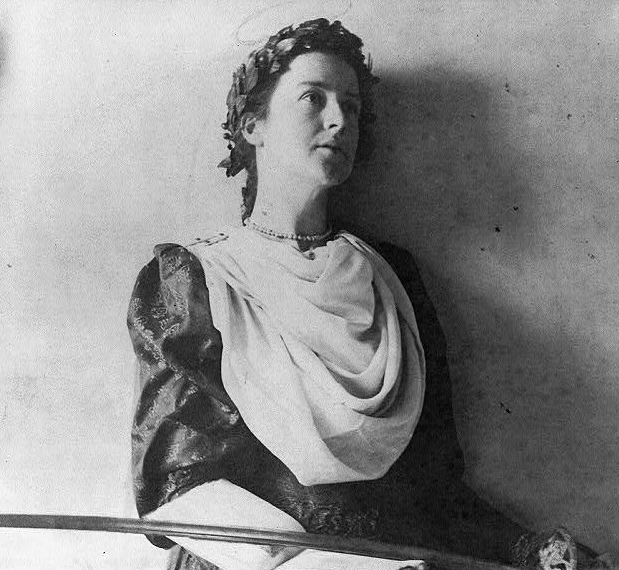
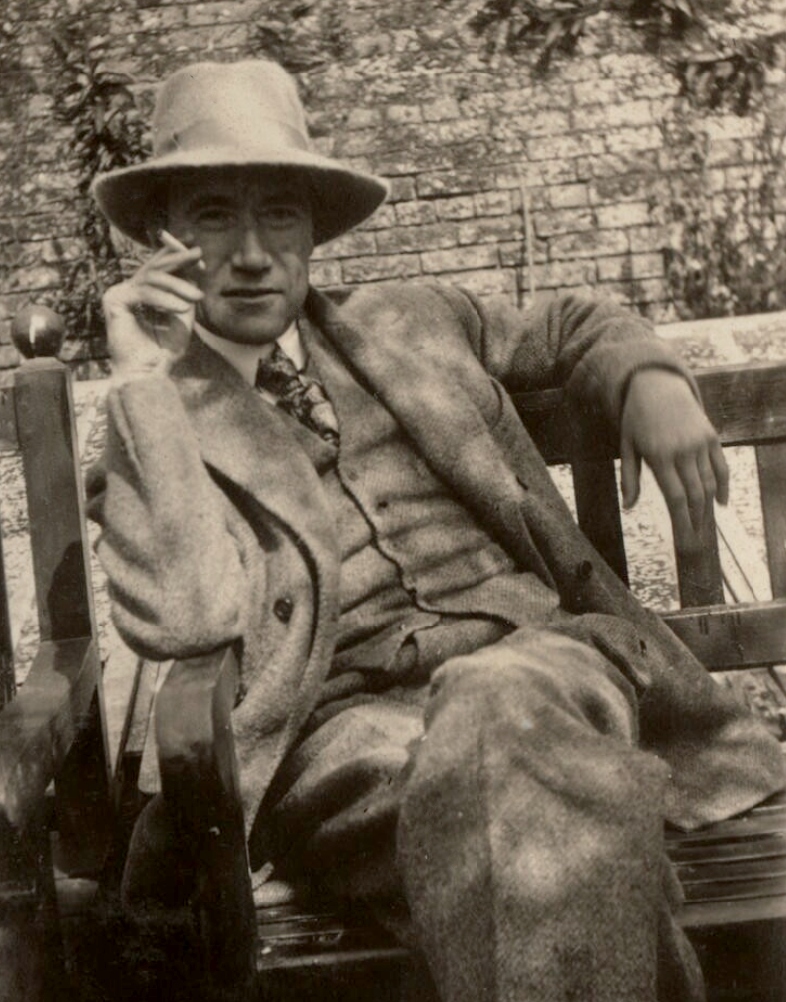
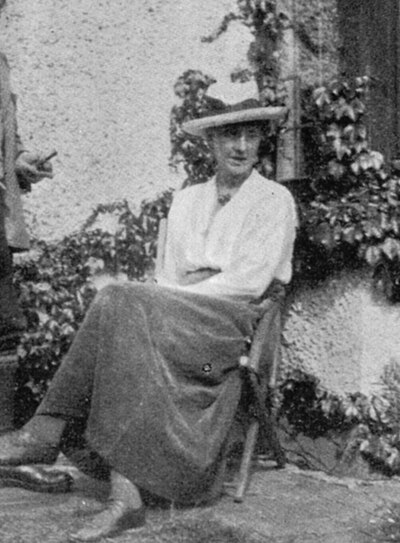
Henriette Roland Holst-van der Schalk was a prominent Dutch poet and a notable figure in the Council communist movement. Born into a family of artists and intellectuals, she was deeply influenced by her surroundings, which included her husband, the artist Richard Roland Holst, and her influential relatives. Her poetry often reflected her political beliefs and her commitment to social justice, making her a significant voice in early 20th-century literature. She was recognized for her literary contributions and was nominated for the Nobel Prize in Literature, highlighting her impact on the cultural landscape of her time. Throughout her career, Roland Holst-van der Schalk produced a body of work that explored themes of love, nature, and social issues. Her notable works include collections such as "De Zwerver" and "Het Leven van de Mens," which showcase her lyrical prowess and her engagement with contemporary societal challenges. As a pioneering female poet in the Netherlands, she not only contributed to the literary world but also inspired future generations of writers and activists. Her legacy endures through her poetry and her role in advocating for social change, marking her as a significant figure in both literature and political thought.
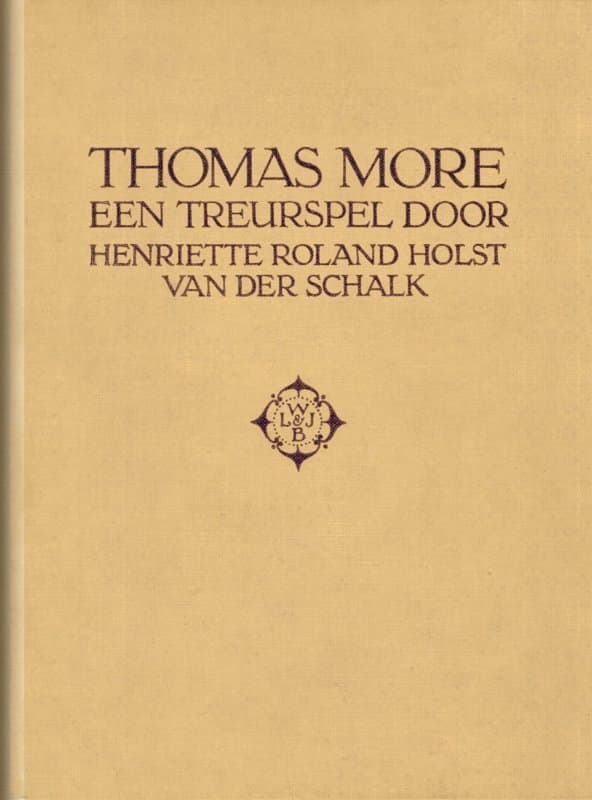
Books from the author




Link to this page
Add a free, dofollow link to Lex on your blog, forum, syllabus, or reading list.

<a href="https://lex-books.com/author/henriette-roland-holst-van-der-schalk"><img src="https://lex-books.com/badges/read-on-lex.svg" alt="Henriette Roland Holst-Van der Schalk on Lex" width="160" height="40"></a>[](https://lex-books.com/author/henriette-roland-holst-van-der-schalk)[url=https://lex-books.com/author/henriette-roland-holst-van-der-schalk][img]https://lex-books.com/badges/read-on-lex.svg[/img][/url]Henriette Roland Holst-Van der Schalk on Lex: https://lex-books.com/author/henriette-roland-holst-van-der-schalk