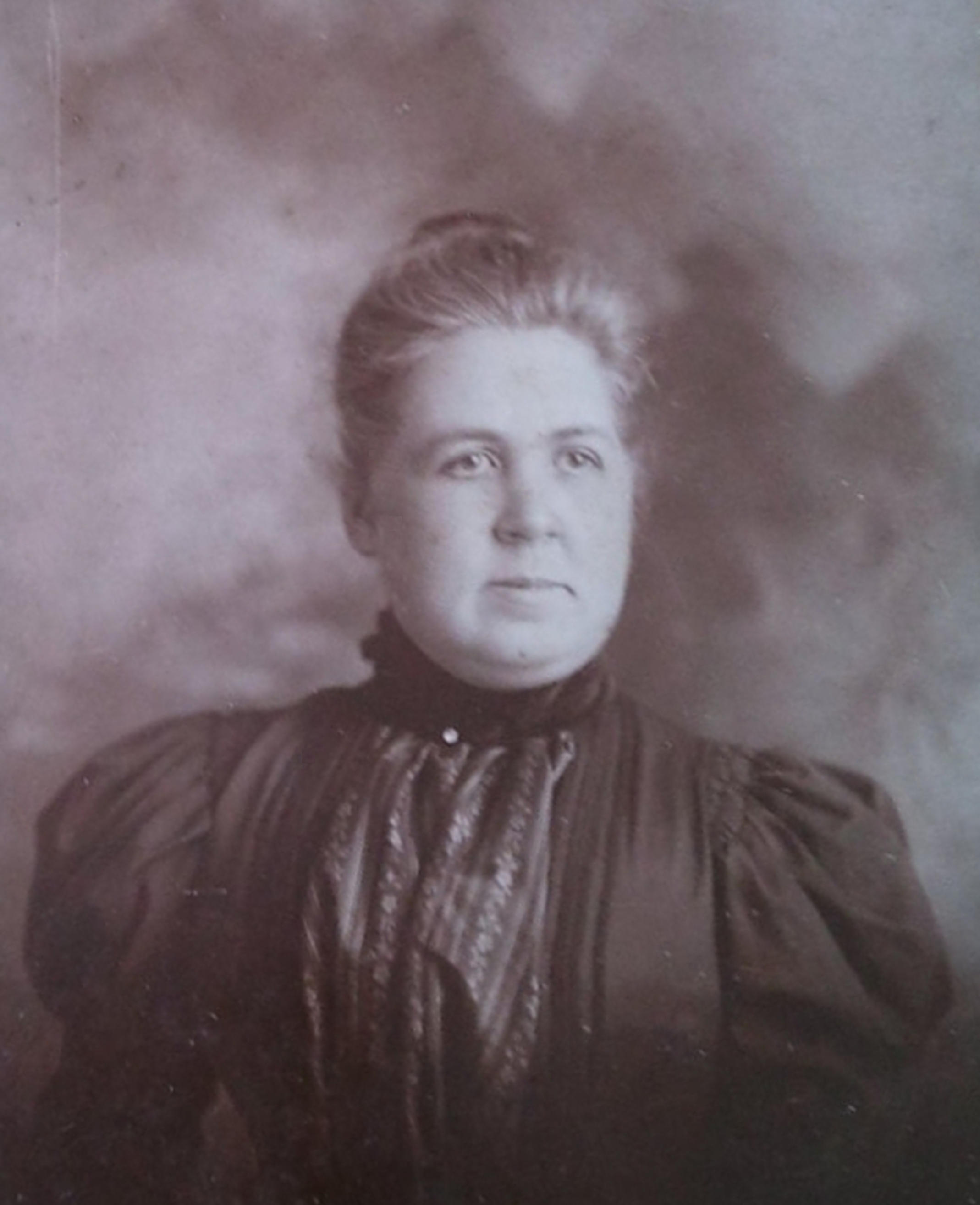
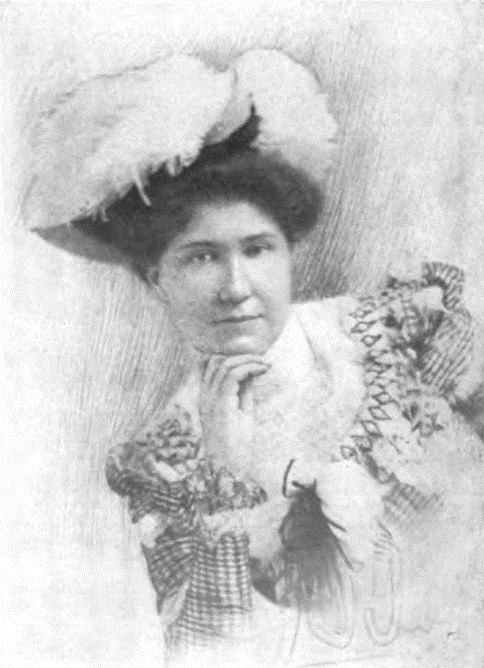
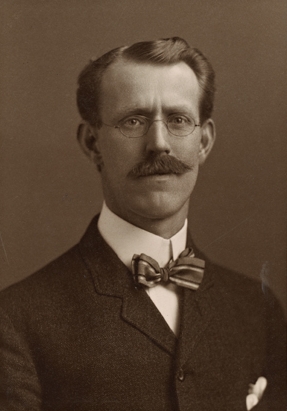
Helene Böhlau
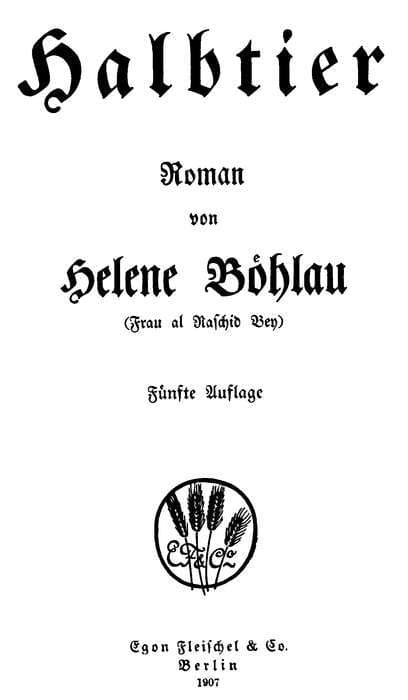
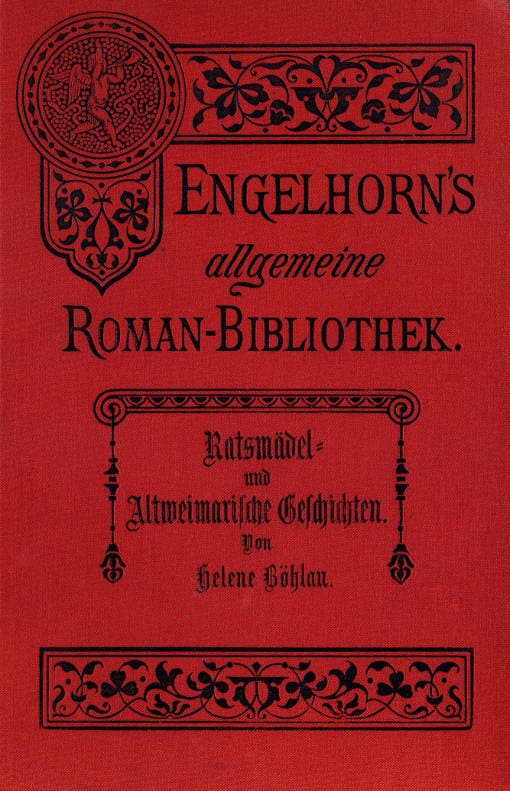
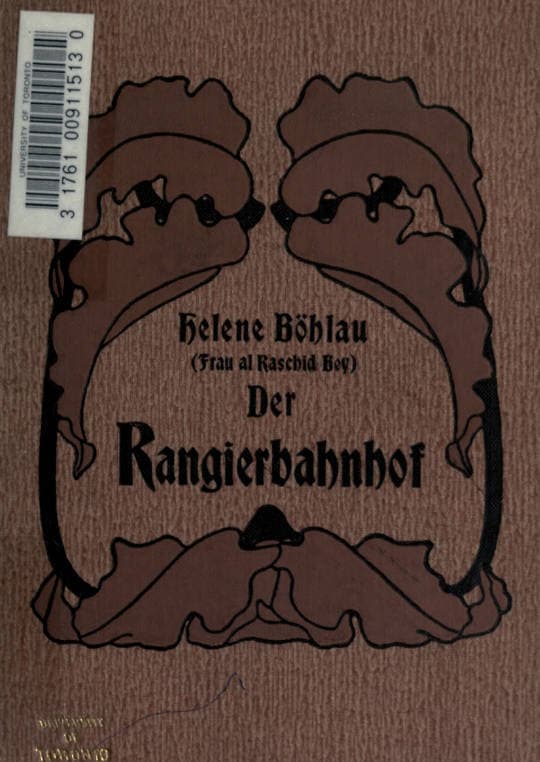
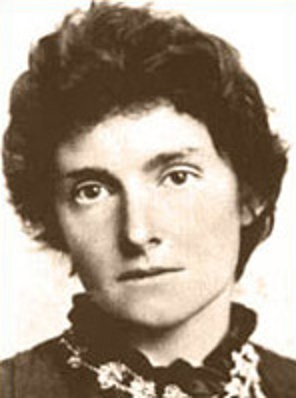
Helene Böhlau was a German novelist and writer known for her contributions to early 20th-century literature, particularly in the realm of social realism. Born in 1859, she navigated a male-dominated literary landscape, carving out a space for her unique voice that often explored themes of gender, societal norms, and the complexities of human relationships. Böhlau's works, such as "Halbtier" and "Der Rangierbahnhof," reflect her keen observations of contemporary life and the struggles of women within it. Her narrative style combined elements of realism with a focus on character development, allowing her to delve deeply into the psychological aspects of her characters' lives. Among her notable works, "Halbtier" stands out as a significant exploration of identity and societal expectations, while "Ratsmädel- Und Altweimarische Geschichten" showcases her ability to blend humor with poignant social commentary. Böhlau's writing not only entertained but also provoked thought about the roles and rights of women in her time. Despite her contributions, she remains relatively obscure in the broader literary canon, yet her works are essential for understanding the evolution of women's literature in Germany. Böhlau's legacy lies in her courage to address controversial topics and her role in paving the way for future generations of female writers.
Books from the author