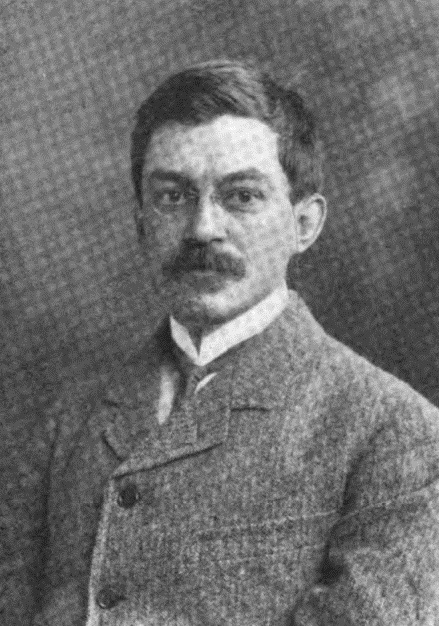
Harold Jacoby
Harold Jacoby was an influential American astronomer known for his significant contributions to the field of celestial mechanics and the study of variable stars. Born in New York City, he pursued a career in astronomy that led him to work at several prestigious observatories, including the famous Yerkes Observatory. Jacoby's research included the analysis of the orbits of comets and the development of methods for measuring stellar distances, which were crucial for advancing the understanding of the universe during his time. Among his notable works, Jacoby published extensively on the behavior of variable stars, contributing to the classification and understanding of these celestial phenomena. His meticulous observations and innovative techniques helped lay the groundwork for future astronomical research. Jacoby's legacy is marked by his role in the American Astronomical Society and his influence on the next generation of astronomers, as he mentored many students and young scientists throughout his career. His dedication to the field and his pioneering research have left a lasting impact on astronomy, making him a respected figure in the scientific community.
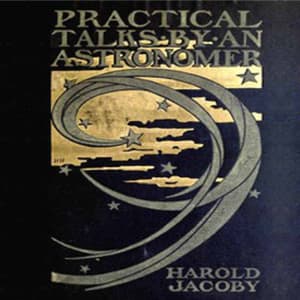
Books from the author


Link to this page
Add a free, dofollow link to Lex on your blog, forum, syllabus, or reading list.

<a href="https://lex-books.com/author/harold-jacoby"><img src="https://lex-books.com/badges/read-on-lex.svg" alt="Harold Jacoby on Lex" width="160" height="40"></a>[](https://lex-books.com/author/harold-jacoby)[url=https://lex-books.com/author/harold-jacoby][img]https://lex-books.com/badges/read-on-lex.svg[/img][/url]Harold Jacoby on Lex: https://lex-books.com/author/harold-jacoby