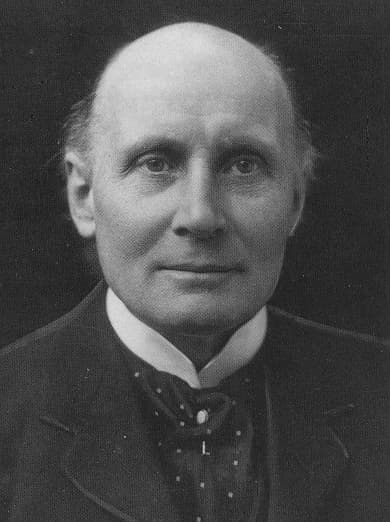
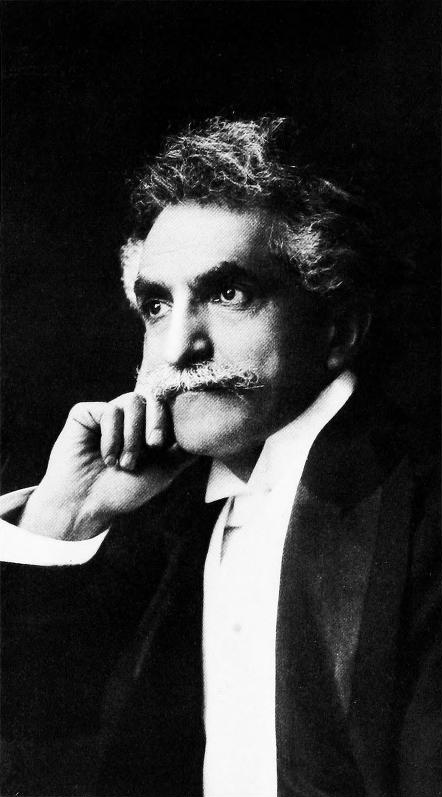
Alfred North Whitehead
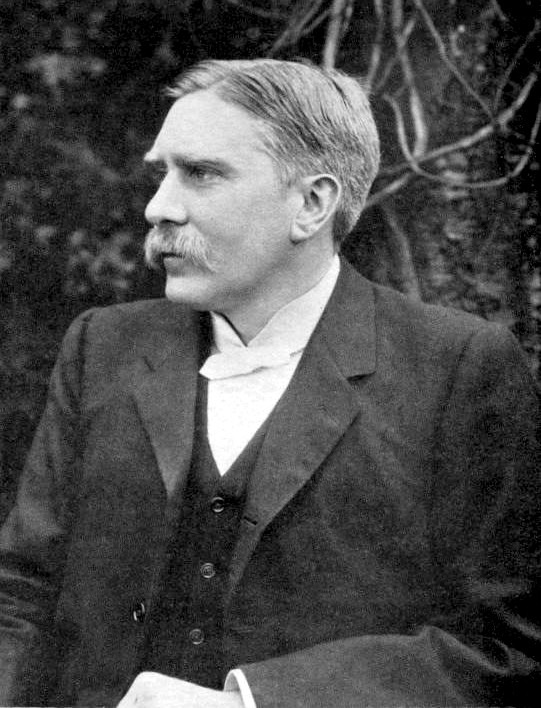
Alfred North Whitehead was an influential English mathematician and philosopher known for founding the philosophical school of process philosophy. Initially focused on mathematics, logic, and physics, he co-authored the groundbreaking three-volume work, Principia Mathematica, with Bertrand Russell, which is celebrated as a pivotal contribution to mathematical logic. This work not only established Whitehead as a leading figure in mathematics but also laid the groundwork for his later philosophical inquiries. In the 1920s, Whitehead shifted his focus from mathematics to philosophy, developing a comprehensive metaphysical system that emphasized the primacy of processes over material objects. His seminal work, Process and Reality, articulated a vision of reality as a web of interconnected processes, challenging traditional notions of substance and independence in Western philosophy. Whitehead's ideas have since permeated various fields, including ecology, theology, and psychology, marking him as a significant figure whose thoughts continue to influence contemporary philosophical discourse and interdisciplinary studies.
Famous Quotes
View all 3 quotes“Not ignorance, but ignorance of ignorance is the death of knowledge.”
“It requires a very unusual mind to undertake the analysis of the obvious.”
“Civilization advances by extending the number of important operations which we can perform without thinking of them.”
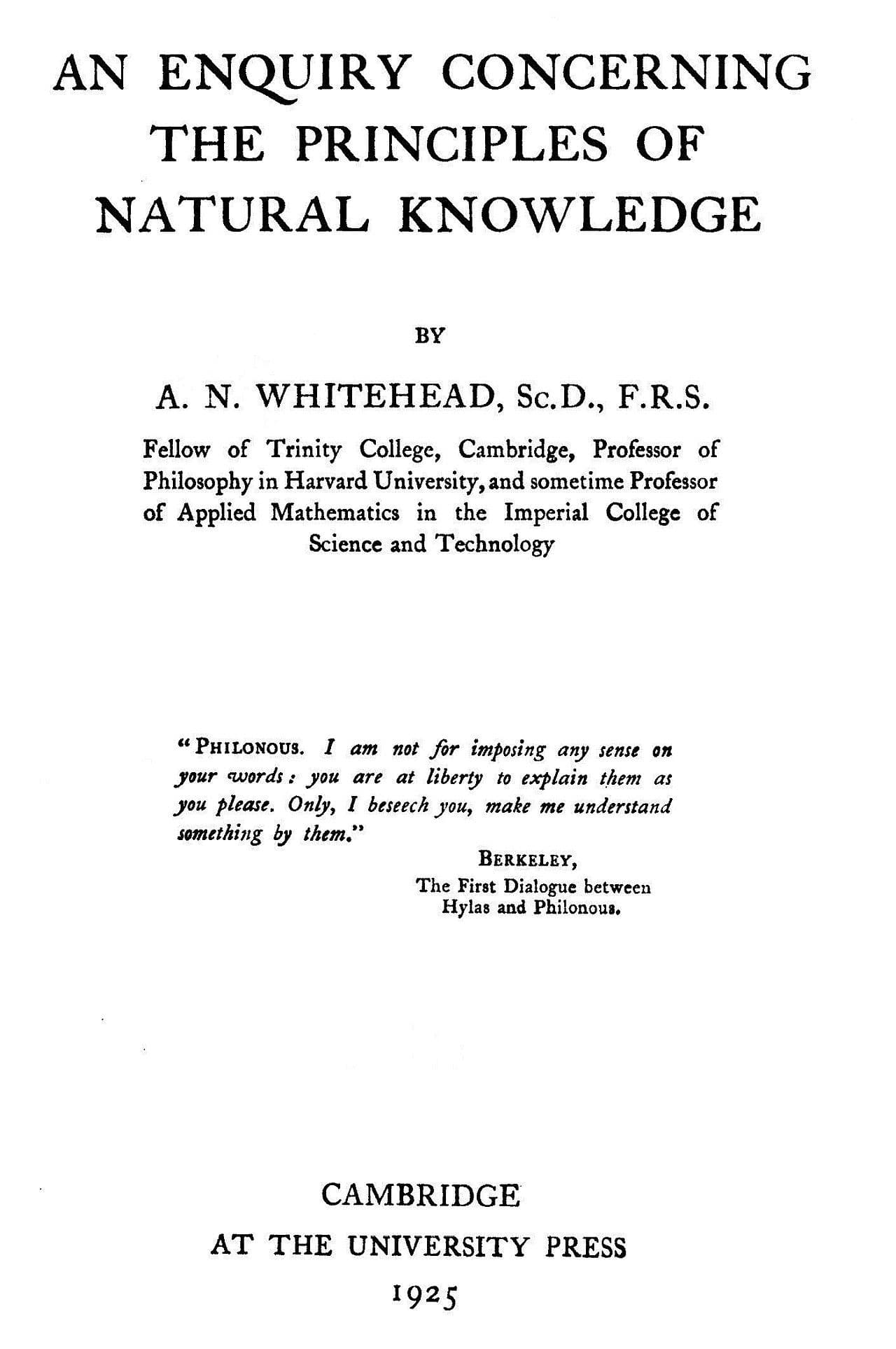
Books from the author






Link to this page
Add a free, dofollow link to Lex on your blog, forum, syllabus, or reading list.

<a href="https://lex-books.com/author/alfred-north-whitehead"><img src="https://lex-books.com/badges/read-on-lex.svg" alt="Alfred North Whitehead on Lex" width="160" height="40"></a>[](https://lex-books.com/author/alfred-north-whitehead)[url=https://lex-books.com/author/alfred-north-whitehead][img]https://lex-books.com/badges/read-on-lex.svg[/img][/url]Alfred North Whitehead on Lex: https://lex-books.com/author/alfred-north-whitehead