Hans Ostwald
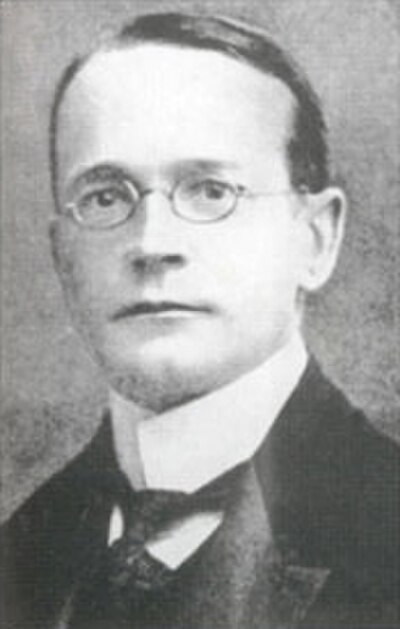
Hans Ostwald was a German writer and translator, recognized primarily for his works that explored the complexities of human nature and society. Born in 1873, he became an influential figure in the literary scene of his time. Ostwald is best known for his translation of Maxim Gorky's works, which played a significant role in introducing Gorky's revolutionary themes and social critiques to a German-speaking audience. His translations not only showcased Gorky's literary prowess but also highlighted the struggles of the working class and the importance of social justice, themes that resonated deeply during a time of political upheaval in Europe. In addition to his translation work, Ostwald contributed to the literary landscape through his own writings, which often reflected his interest in social issues and the human condition. His engagement with Gorky's literature and his own creative output positioned him as a notable figure in the early 20th-century German literary world. Ostwald's legacy lies in his ability to bridge cultural and linguistic divides, bringing the powerful narratives of Russian literature to German readers and fostering a greater understanding of the socio-political challenges of his era.
Books from the author








Link to this page
Add a free, dofollow link to Lex on your blog, forum, syllabus, or reading list.

<a href="https://lex-books.com/author/hans-ostwald"><img src="https://lex-books.com/badges/read-on-lex.svg" alt="Hans Ostwald on Lex" width="160" height="40"></a>[](https://lex-books.com/author/hans-ostwald)[url=https://lex-books.com/author/hans-ostwald][img]https://lex-books.com/badges/read-on-lex.svg[/img][/url]Hans Ostwald on Lex: https://lex-books.com/author/hans-ostwald