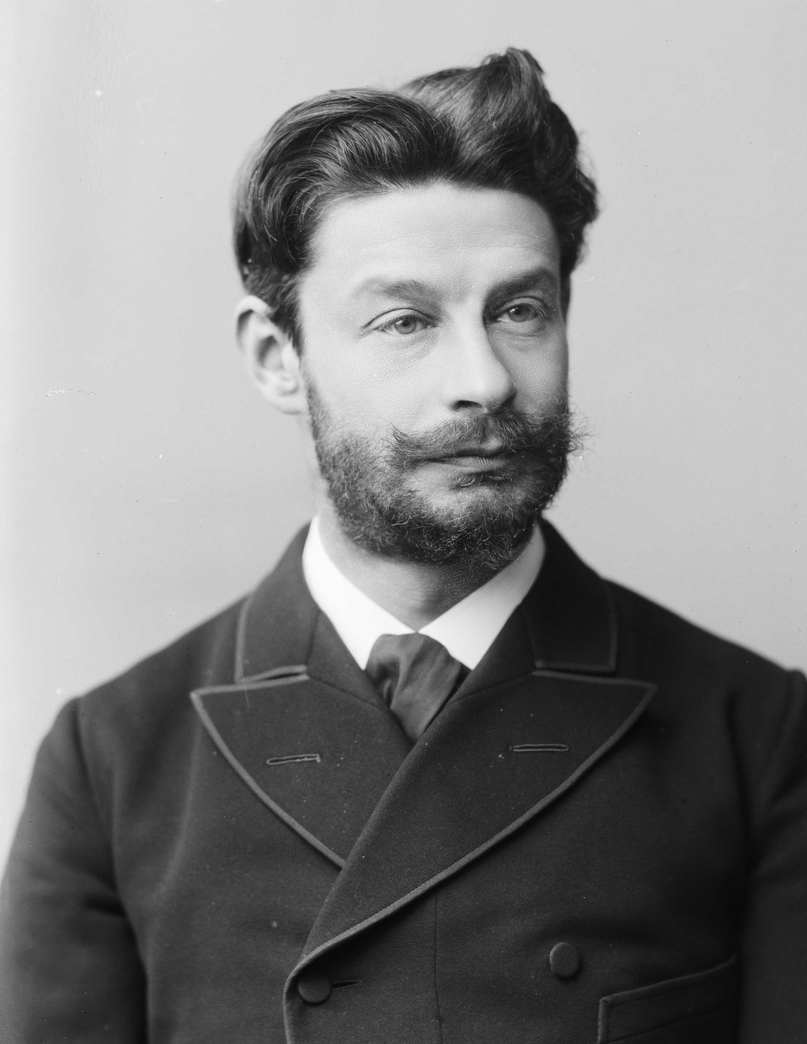
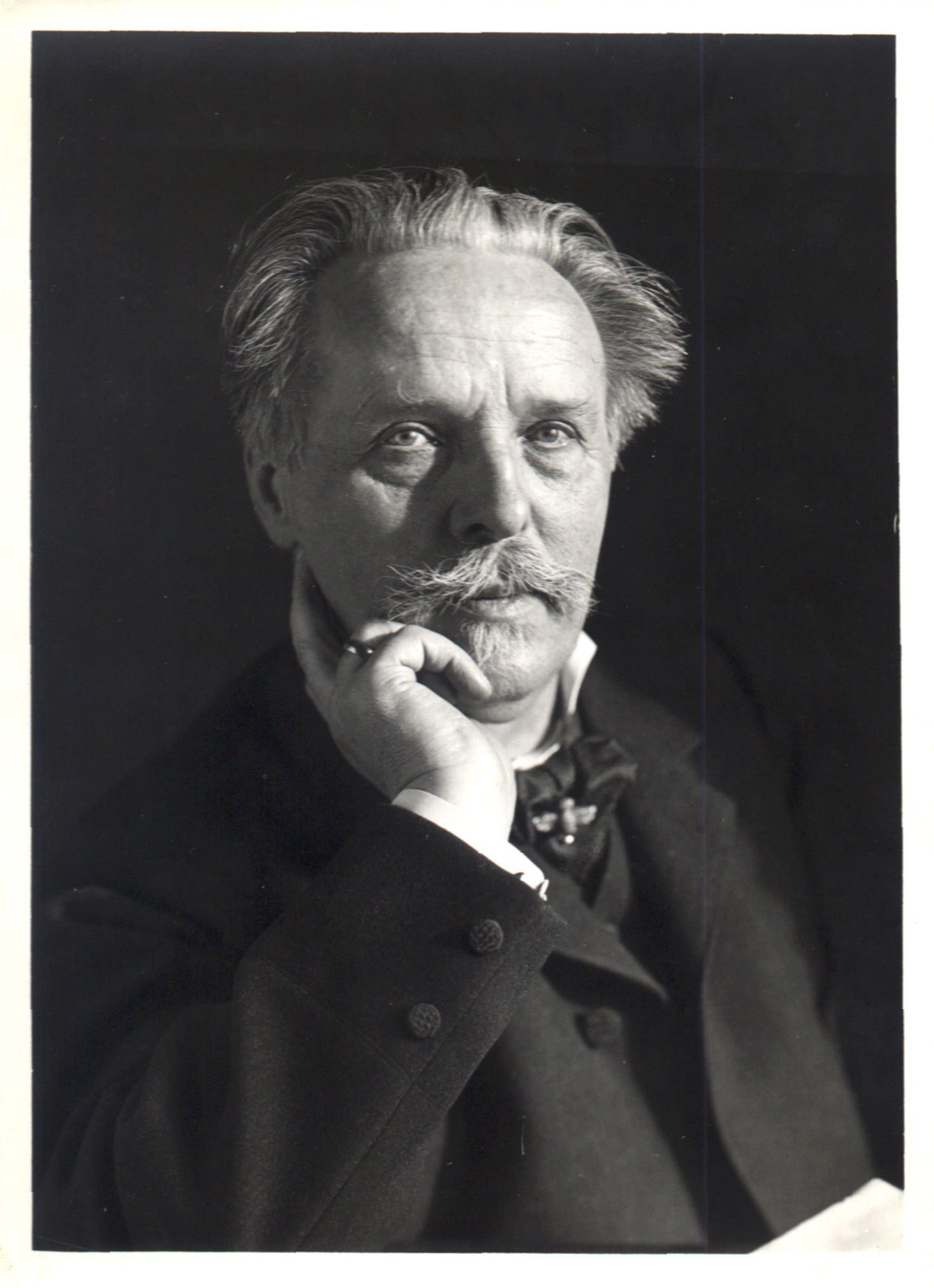
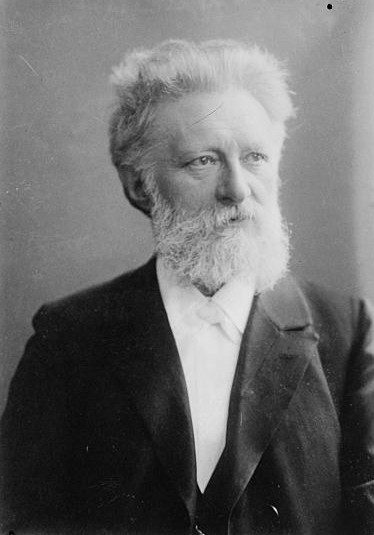
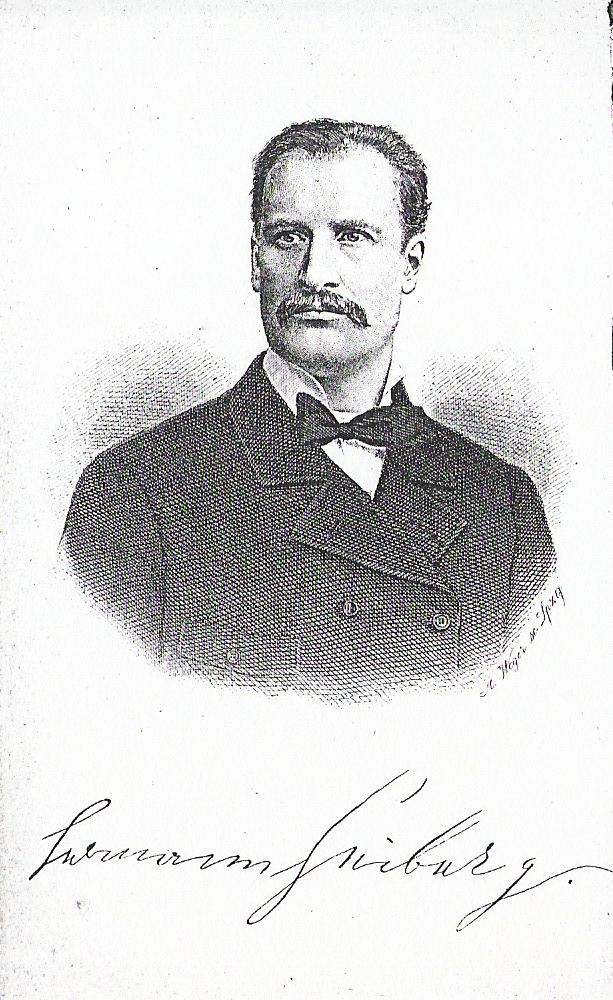
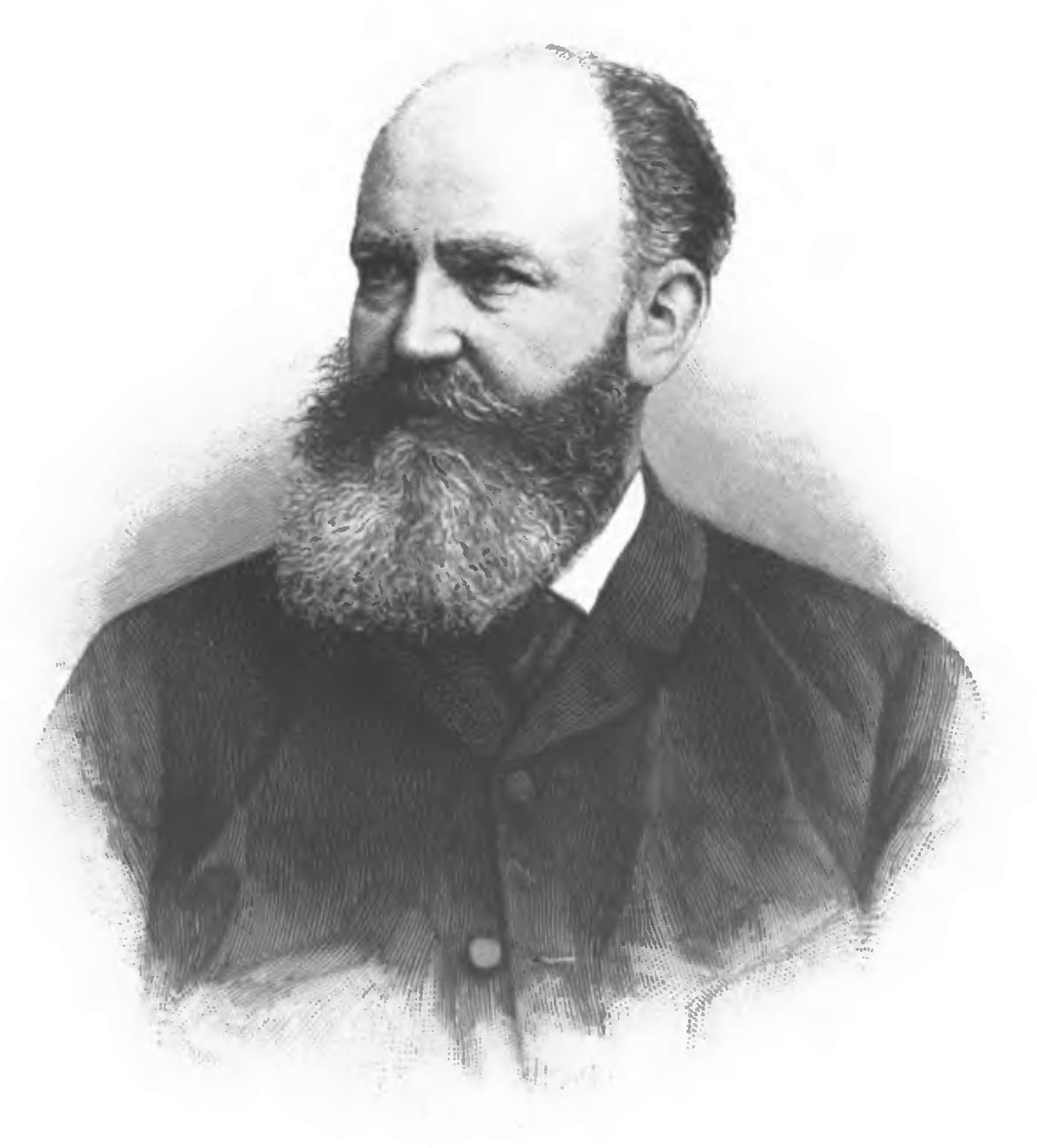
Gustav Wustmann
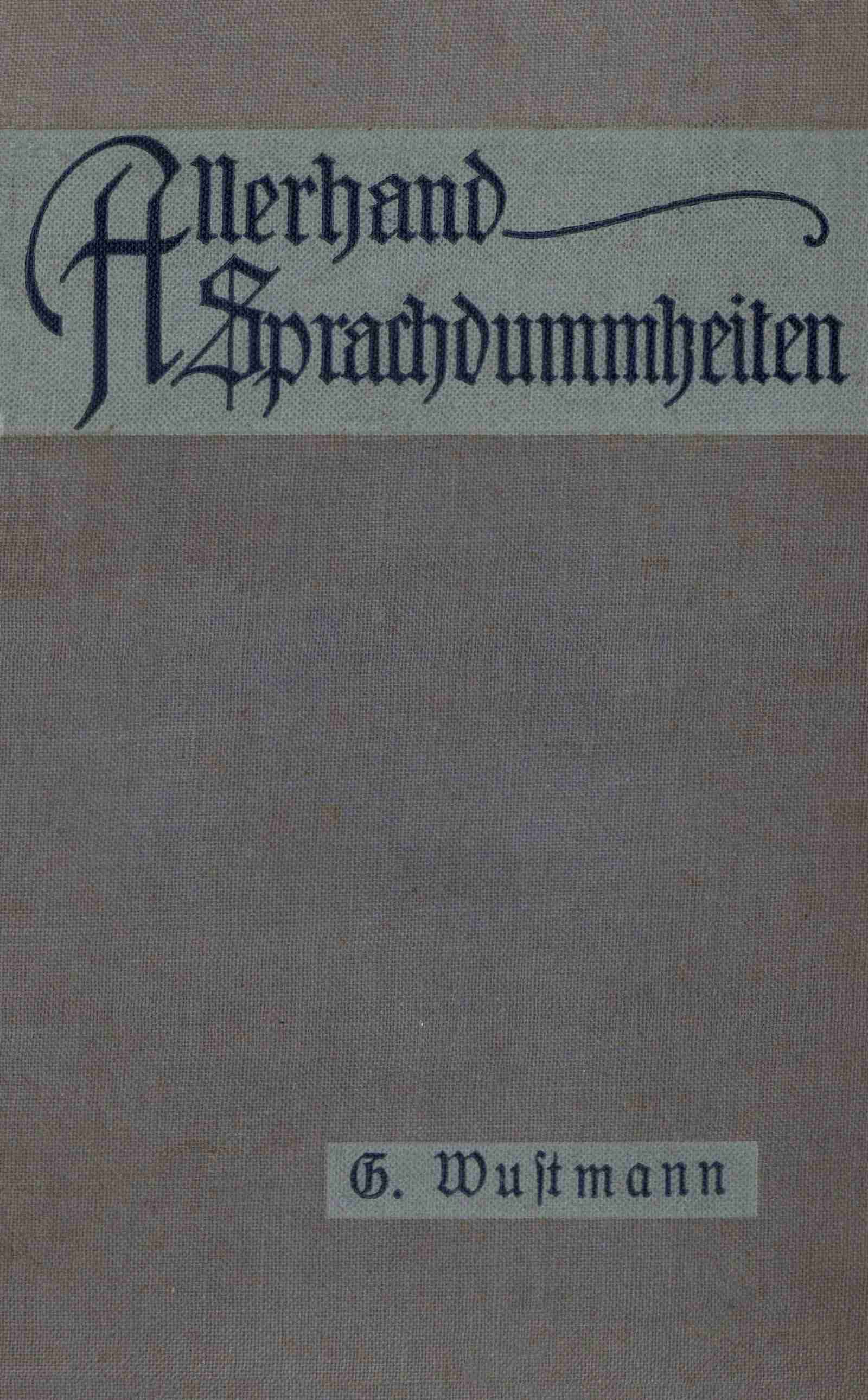
Gustav Wustmann was a prominent German philologist and historian, born in Dresden and educated at the Kreuzschule before pursuing his studies in philology at Leipzig University from 1862 to 1866. After completing his education, he dedicated much of his career to teaching at the Old St Nicholas School in Leipzig until 1881, when he transitioned to a significant role as the director of the municipal archives and city librarian. Wustmann's scholarly contributions extended beyond teaching; he served as an associate editor for the Grenzboten, a notable literary magazine, and was honored with the title of professor in 1897. Wustmann is perhaps best known for his controversial work, "Allerhand Sprachdummheiten, Kleine deutsche Grammatik des Zweifelhaften, des Falschen und des Häßlichen," published in 1891. This publication, which critiqued various aspects of the German language, sparked considerable debate within the academic community. In addition to his linguistic studies, he published a collection of poems titled "Als der Großvater die Großmutter nahm" in 1886, which saw multiple editions, reflecting his literary versatility. Wustmann also contributed to the understanding of German proverbs through his editorial work on Wilhelm Borchardt's "Die sprichwörtlichen Redensarten im deutschen Volksmund nach Sinn und Ursprung erläutert." His legacy lies in his efforts to illuminate the complexities of language and culture in Germany during his time.
Books from the author


Link to this page
Add a free, dofollow link to Lex on your blog, forum, syllabus, or reading list.

<a href="https://lex-books.com/author/gustav-wustmann"><img src="https://lex-books.com/badges/read-on-lex.svg" alt="Gustav Wustmann on Lex" width="160" height="40"></a>[](https://lex-books.com/author/gustav-wustmann)[url=https://lex-books.com/author/gustav-wustmann][img]https://lex-books.com/badges/read-on-lex.svg[/img][/url]Gustav Wustmann on Lex: https://lex-books.com/author/gustav-wustmann