
Gustaf af Geijerstam
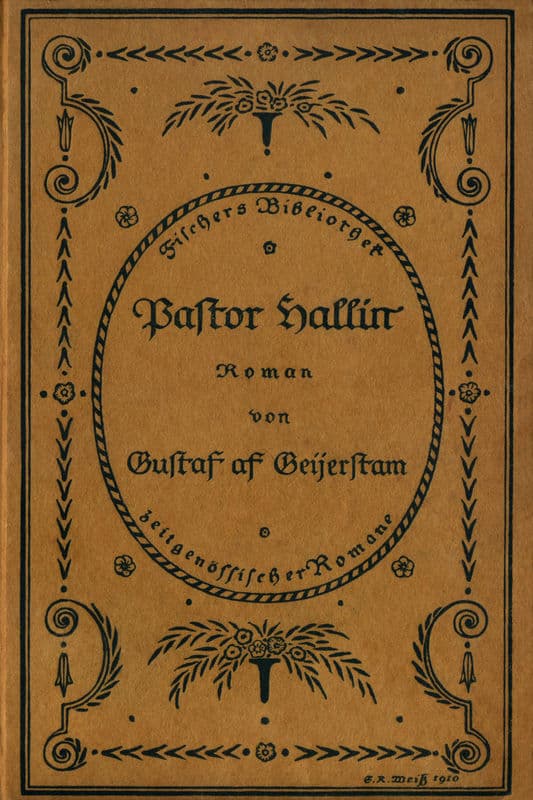
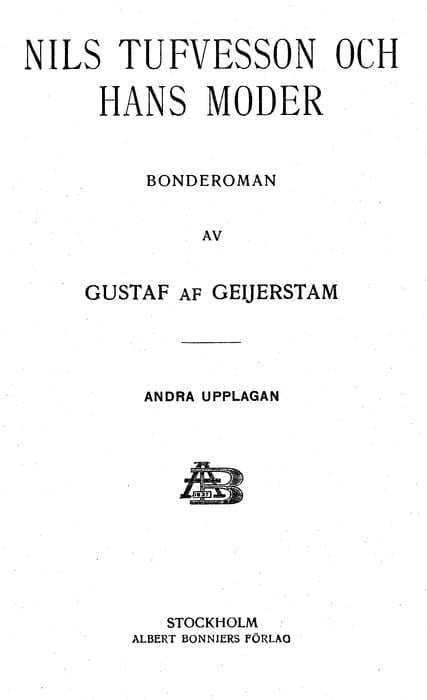
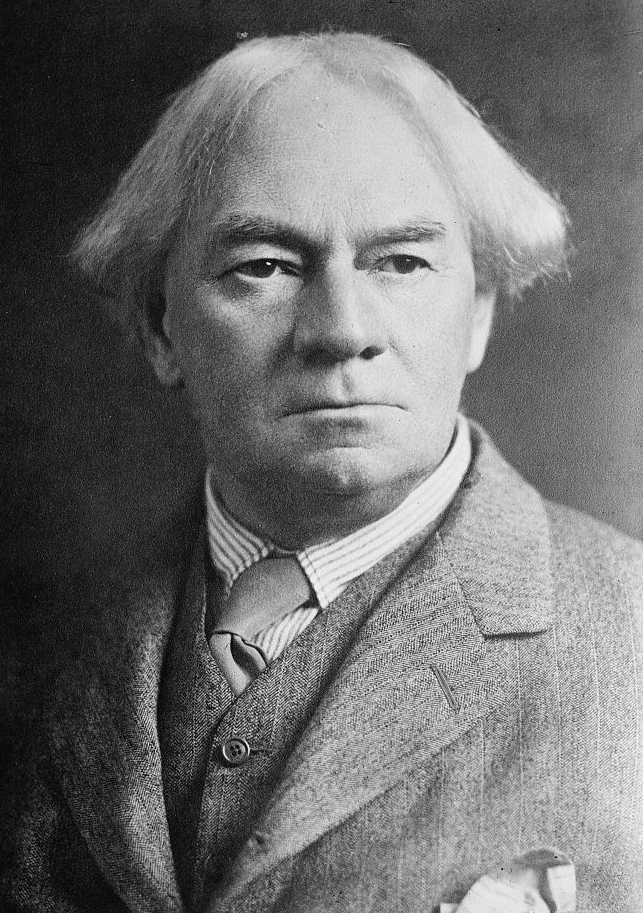
Gustaf af Geijerstam was a notable Swedish novelist whose literary career unfolded in the late 19th and early 20th centuries. A contemporary and friend of the influential playwright August Strindberg, Geijerstam's works often explored themes of human relationships and societal norms. His novel Äktenskapets komedi, published in 1898, garnered significant attention and was praised by the esteemed poet Rainer Maria Rilke, who recognized Geijerstam as an author worthy of careful attention. Although primarily known in German-speaking countries, with many of his works translated during his lifetime, only a couple of his novels made their way into English, including The Book about the Little Brother and Woman Power, which were published in the early 1920s. Geijerstam's literary significance lies in his ability to capture the complexities of human emotions and social dynamics, often reflecting the changing attitudes of his time. Other notable works include Erik Grane (1895), Karin Brandts dröm (1904), and Medusas hufvud (1905). His contributions to literature, particularly in the context of Swedish fiction, have earned him a place among the noteworthy authors of his era, even as his works remain less familiar to contemporary audiences. Geijerstam's legacy continues to be appreciated by those who delve into the literary landscape of Sweden's past, marking him as a figure of interest for scholars and readers alike.
Books from the author













Link to this page
Add a free, dofollow link to Lex on your blog, forum, syllabus, or reading list.

<a href="https://lex-books.com/author/gustaf-af-geijerstam"><img src="https://lex-books.com/badges/read-on-lex.svg" alt="Gustaf af Geijerstam on Lex" width="160" height="40"></a>[](https://lex-books.com/author/gustaf-af-geijerstam)[url=https://lex-books.com/author/gustaf-af-geijerstam][img]https://lex-books.com/badges/read-on-lex.svg[/img][/url]Gustaf af Geijerstam on Lex: https://lex-books.com/author/gustaf-af-geijerstam