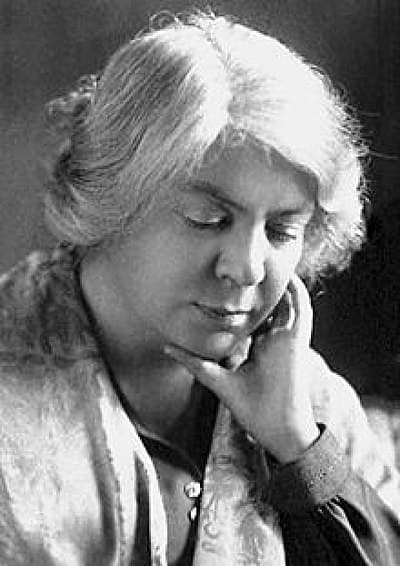
Grazia Deledda
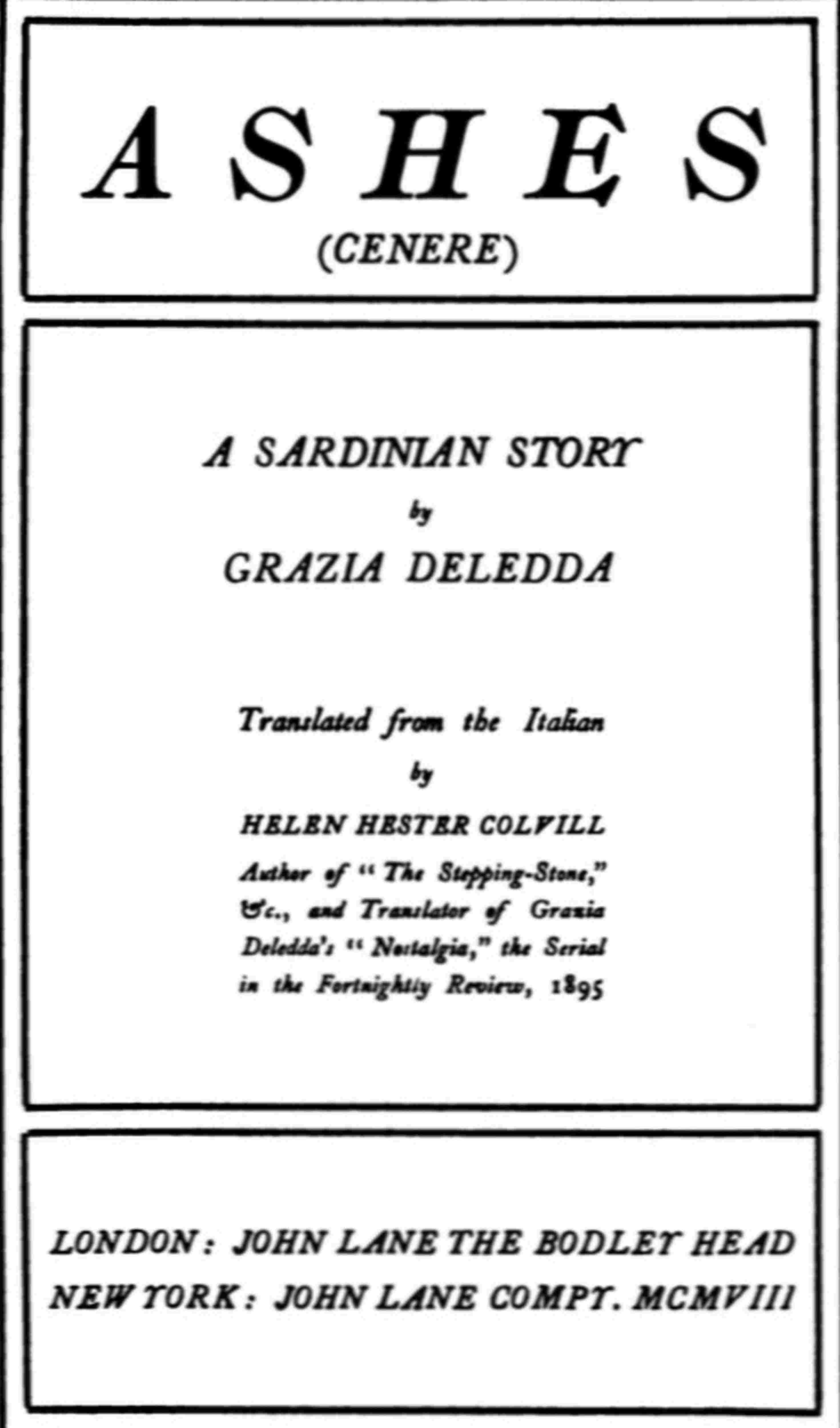
Grazia Deledda was an influential Italian novelist known for her vivid depictions of life in Sardinia and her exploration of universal human themes. Born in a rural village, Deledda's early experiences on the island deeply informed her writing, imbuing her narratives with a sense of place and cultural identity. Her works often grappled with the complexities of human emotions, societal expectations, and the struggles of women, making her a pioneering voice in Italian literature. Notable works include 'Elias Portolu' and 'Canne al Vento', which reflect her unique perspective and lyrical style. In 1926, Deledda was awarded the Nobel Prize for Literature, becoming the first Italian woman to receive this honor. Her recognition marked a significant moment in literary history, as she was only the second woman to be awarded the prize after Selma Lagerlöf. Deledda's legacy endures through her contributions to literature, particularly in her ability to blend local color with profound psychological insight, influencing future generations of writers and enriching the Italian literary canon.
Famous Quotes
View all 3 quotes“Ma perché questo, Efix, dimmi, tu che hai girato il mondo: è da per tutto così? Perché la sorte ci stronca così, come canne? – Sì, – egli disse allora, – siamo proprio come le canne al vento, donna Ester mia. Ecco perché! Siamo canne, e la sorte è il vento.”
“Little by little they all gathered around him, entering through the cracks like moonbeams...[b]ut once the wind of misfortune blows, people disperse like little clouds around the moon when the wind blows off the mountains.”
“The feast lasted nine days, the last three becoming a continuous circle dance accompanied by songs and music. Noemi always stayed on the belvedere among the banquet remains. ... No, she didn't dance, she didn't laugh, but it was enough for her to see people enjoying themselves, because she too hoped to take part in the festival of life.”
Books from the author

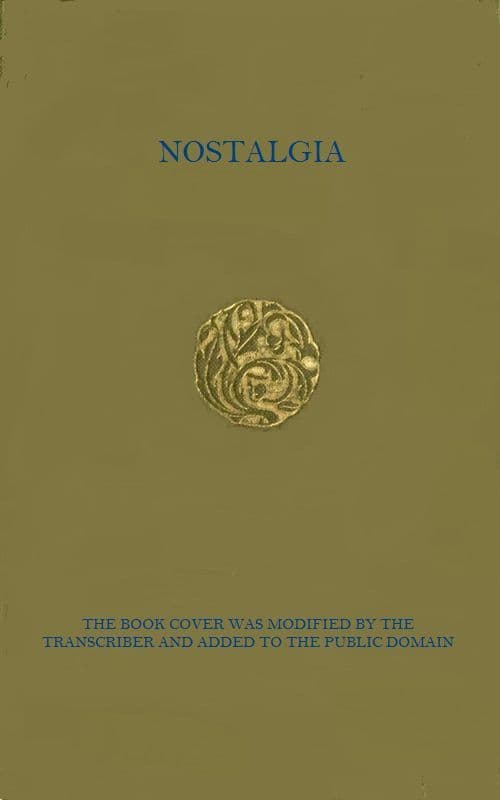
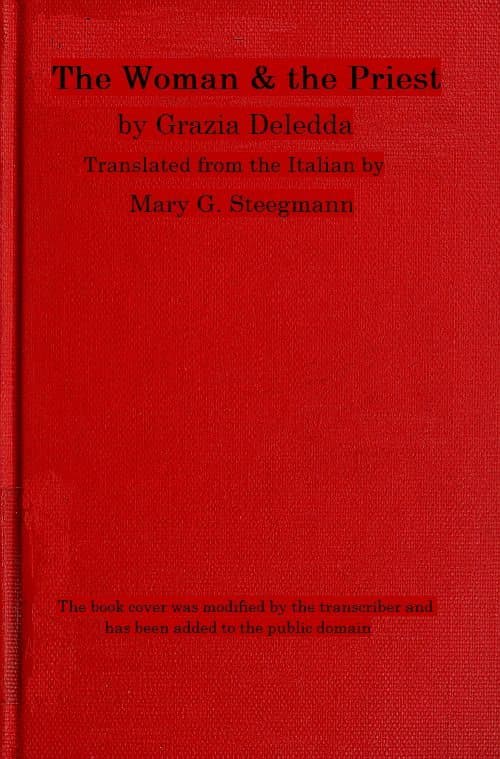
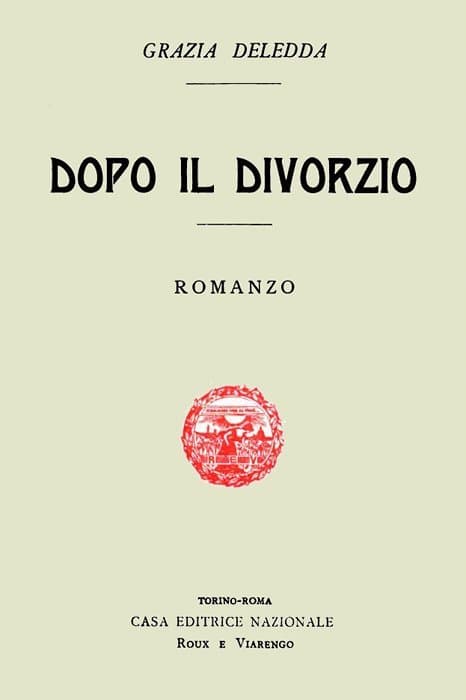


Link to this page
Add a free, dofollow link to Lex on your blog, forum, syllabus, or reading list.

<a href="https://lex-books.com/author/grazia-deledda"><img src="https://lex-books.com/badges/read-on-lex.svg" alt="Grazia Deledda on Lex" width="160" height="40"></a>[](https://lex-books.com/author/grazia-deledda)[url=https://lex-books.com/author/grazia-deledda][img]https://lex-books.com/badges/read-on-lex.svg[/img][/url]Grazia Deledda on Lex: https://lex-books.com/author/grazia-deledda