Grace Johnson
Grace Mott Johnson was an influential American sculptor celebrated for her lifelike representations of animals. Born into a family that valued education, she received her early schooling at home before honing her artistic skills at the prestigious Art Students' League. Her talent was recognized early on, leading to her participation in the landmark 1913 Armory Show, which showcased modern art and introduced the American public to avant-garde works. Johnson's sculptures often reflected her deep appreciation for the natural world, capturing the essence of her subjects with remarkable detail and sensitivity. Throughout her career, Johnson was deeply embedded in the vibrant artistic communities of Paris, New York, and New Mexico, particularly after her marriage to painter Andrew Dasburg. This connection to prominent artists of her time enriched her work and helped her navigate the evolving landscape of American art. Johnson's legacy endures not only through her sculptures but also through her contributions to the dialogue surrounding animal representation in art, making her a significant figure in the early 20th-century art scene.
Famous Quotes
View all 1 quotes“If you have no one to fight for, that doesn't mean you have no one to fight for you”
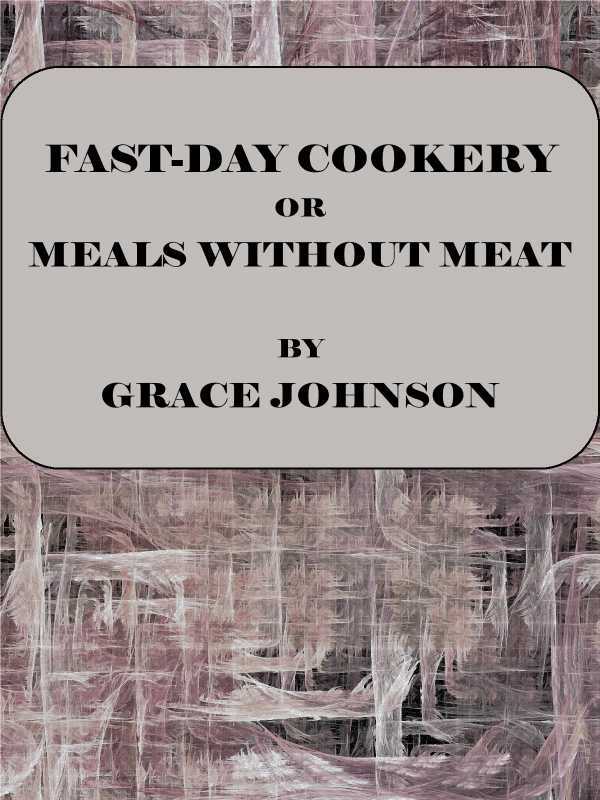
Books from the author



Link to this page
Add a free, dofollow link to Lex on your blog, forum, syllabus, or reading list.

<a href="https://lex-books.com/author/grace-johnson"><img src="https://lex-books.com/badges/read-on-lex.svg" alt="Grace Johnson on Lex" width="160" height="40"></a>[](https://lex-books.com/author/grace-johnson)[url=https://lex-books.com/author/grace-johnson][img]https://lex-books.com/badges/read-on-lex.svg[/img][/url]Grace Johnson on Lex: https://lex-books.com/author/grace-johnson