Giuseppe Ripamonti
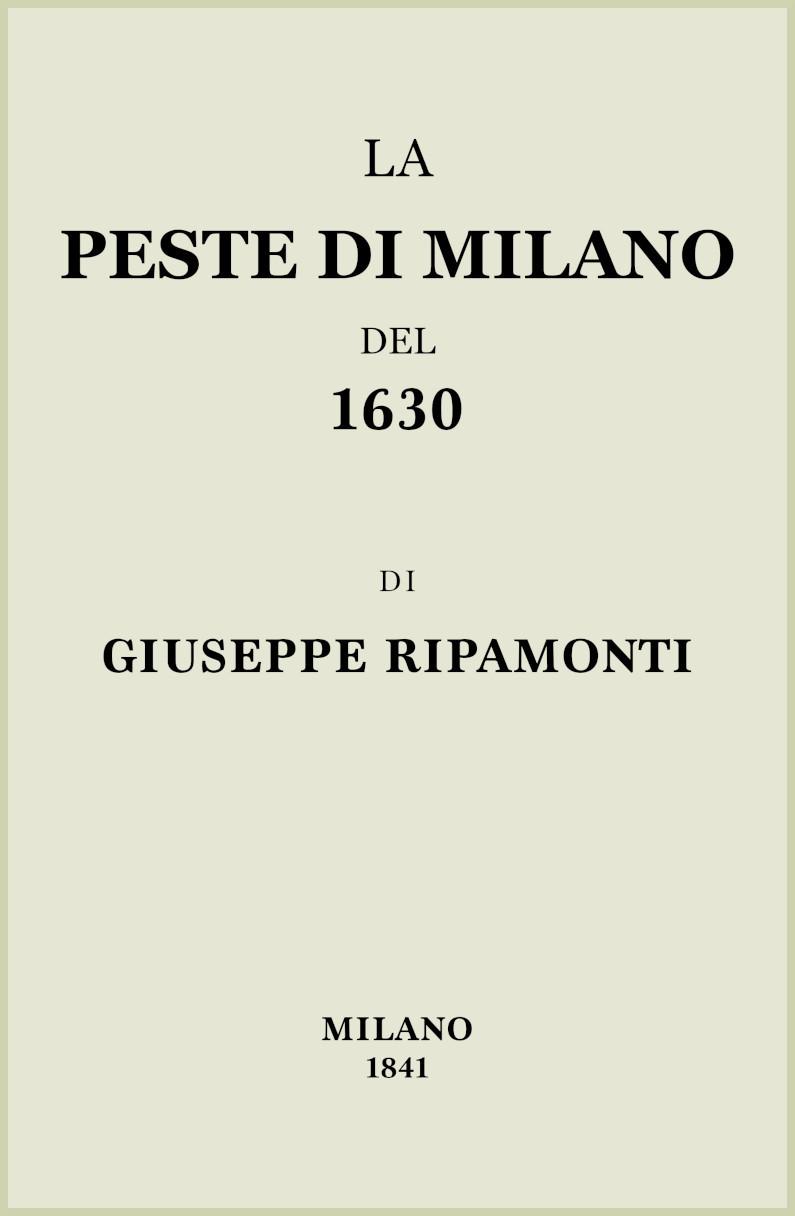
Giuseppe Ripamonti was an influential Italian Catholic priest and historian, recognized as one of the foremost writers of early 17th-century Milan. His extensive body of work includes the notable 'Historia Ecclesiae Mediolanensis' (1625), a comprehensive account of the history of the Church in Milan, which established him as a significant figure in ecclesiastical literature. However, he is perhaps best remembered for his poignant chronicle, 'De peste Mediolani quae fuit anno 1630' (1640), which vividly recounts the harrowing experiences of Milan during the bubonic plague outbreak of 1629-1631. This work not only serves as a crucial historical document but also influenced later literature, notably Alessandro Manzoni's 'The Betrothed', where Ripamonti's detailed observations provided a backdrop for the narrative's exploration of suffering and resilience. Ripamonti's writings reflect the tumultuous period of his life, marked by the devastating impact of the plague on Milanese society. His meticulous documentation of the events and the human condition during this crisis has earned him a lasting legacy in both historical and literary circles. By capturing the struggles and endurance of the people during one of the city's darkest times, Ripamonti's work transcended mere historical record, offering insights into the broader human experience. His contributions to the historiography of Milan and his role in shaping the narrative of the plague have solidified his place as a pivotal figure in Italian literature and history.
Books from the author

















Link to this page
Add a free, dofollow link to Lex on your blog, forum, syllabus, or reading list.

<a href="https://lex-books.com/author/giuseppe-ripamonti"><img src="https://lex-books.com/badges/read-on-lex.svg" alt="Giuseppe Ripamonti on Lex" width="160" height="40"></a>[](https://lex-books.com/author/giuseppe-ripamonti)[url=https://lex-books.com/author/giuseppe-ripamonti][img]https://lex-books.com/badges/read-on-lex.svg[/img][/url]Giuseppe Ripamonti on Lex: https://lex-books.com/author/giuseppe-ripamonti