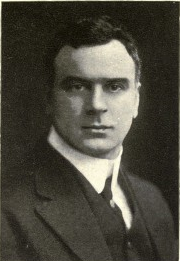
Giovanni Cena
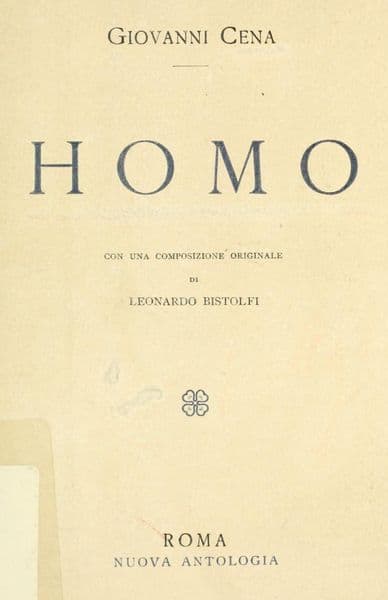
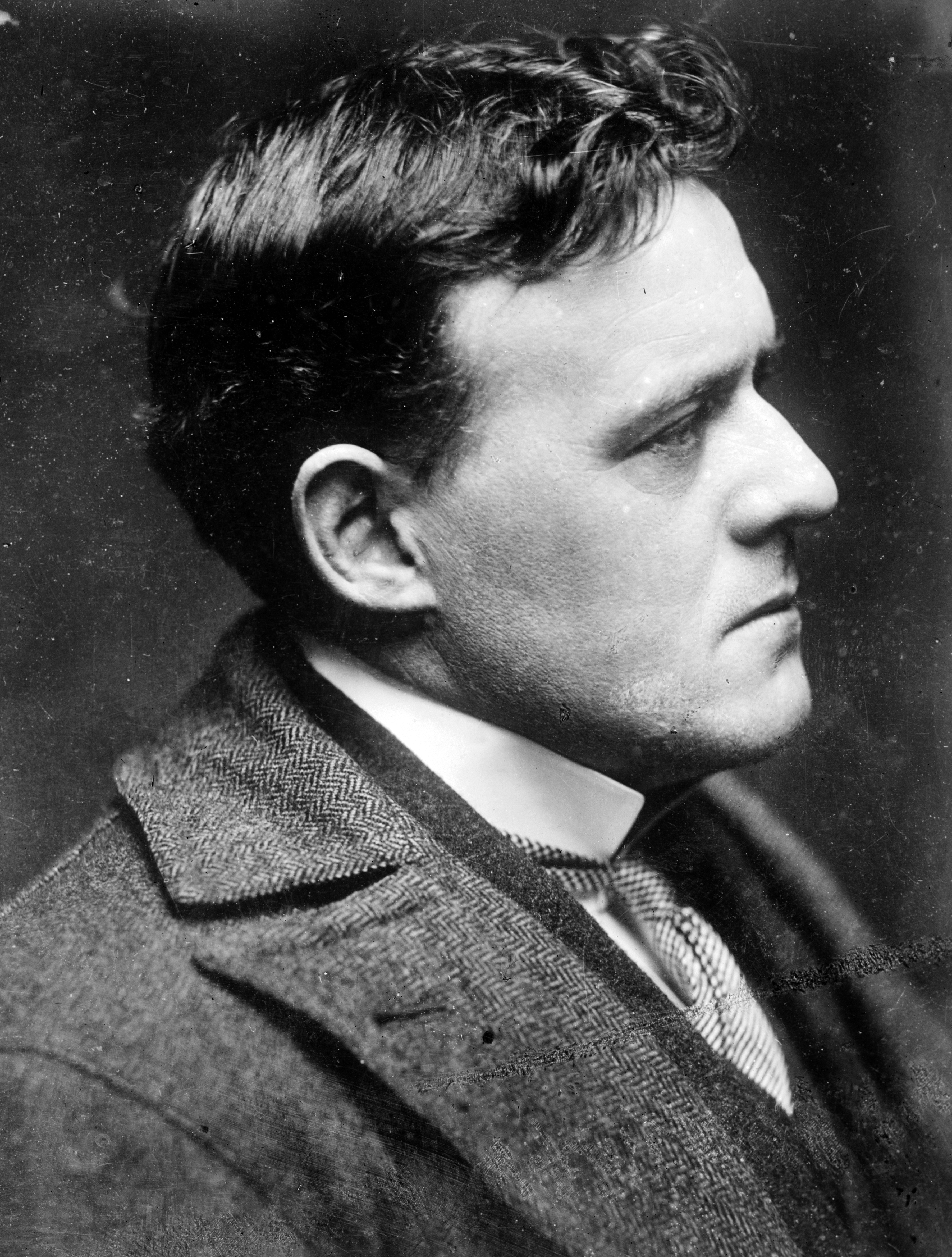
Giovanni Cena was an Italian poet and playwright, known for his contributions to the literary landscape of the early 20th century. Born in 1870, Cena's work often reflected the tensions of his time, exploring themes of identity, sexuality, and the human condition. His most notable work, 'Homo,' is a significant piece that delves into the complexities of male relationships and societal norms, marking a pivotal moment in Italian literature regarding the portrayal of homosexuality. Cena's writing is characterized by its lyrical quality and emotional depth, which resonated with contemporary audiences and laid the groundwork for future explorations of similar themes in literature. Despite his relatively short life, as he passed away in 1917, Cena's influence persisted, particularly in the context of the burgeoning modernist movement in Italy. His works, often overshadowed by more prominent figures of the time, have gained recognition for their boldness and innovative approach to subject matter that was often considered taboo. Cena's legacy endures as a crucial voice in the dialogue surrounding identity and expression in early 20th-century literature, contributing to the evolving understanding of gender and sexuality in artistic representation.
Famous Quotes
View all 1 quotes“X AGOSTOSan Lorenzo , io lo so perché tantodi stelle per l'aria tranquillaarde e cade, perché si gran piantonel concavo cielo sfavilla.Ritornava una rondine al tetto:l'uccisero: cadde tra i spini;ella aveva nel becco un insetto:la cena dei suoi rondinini.Ora è là, come in croce, che tendequel verme a quel cielo lontano;e il suo nido è nell'ombra, che attende,che pigola sempre più piano.Anche un uomo tornava al suo nido:l'uccisero: disse: Perdono;e restò negli aperti occhi un grido:portava due bambole in dono.Ora là, nella casa romita,lo aspettano, aspettano in vano:egli immobile, attonito, additale bambole al cielo lontano.E tu, Cielo, dall'alto dei mondisereni, infinito, immortale,oh! d'un pianto di stelle lo inondiquest'atomo opaco del Male!””
Books from the author