A History of Art in Chaldæa & Assyria, Vol. 2 (of 2)
1923
A History of Art in Chaldæa & Assyria, Vol. 2 (of 2)
1923
Translated by Walter, Sir Armstrong
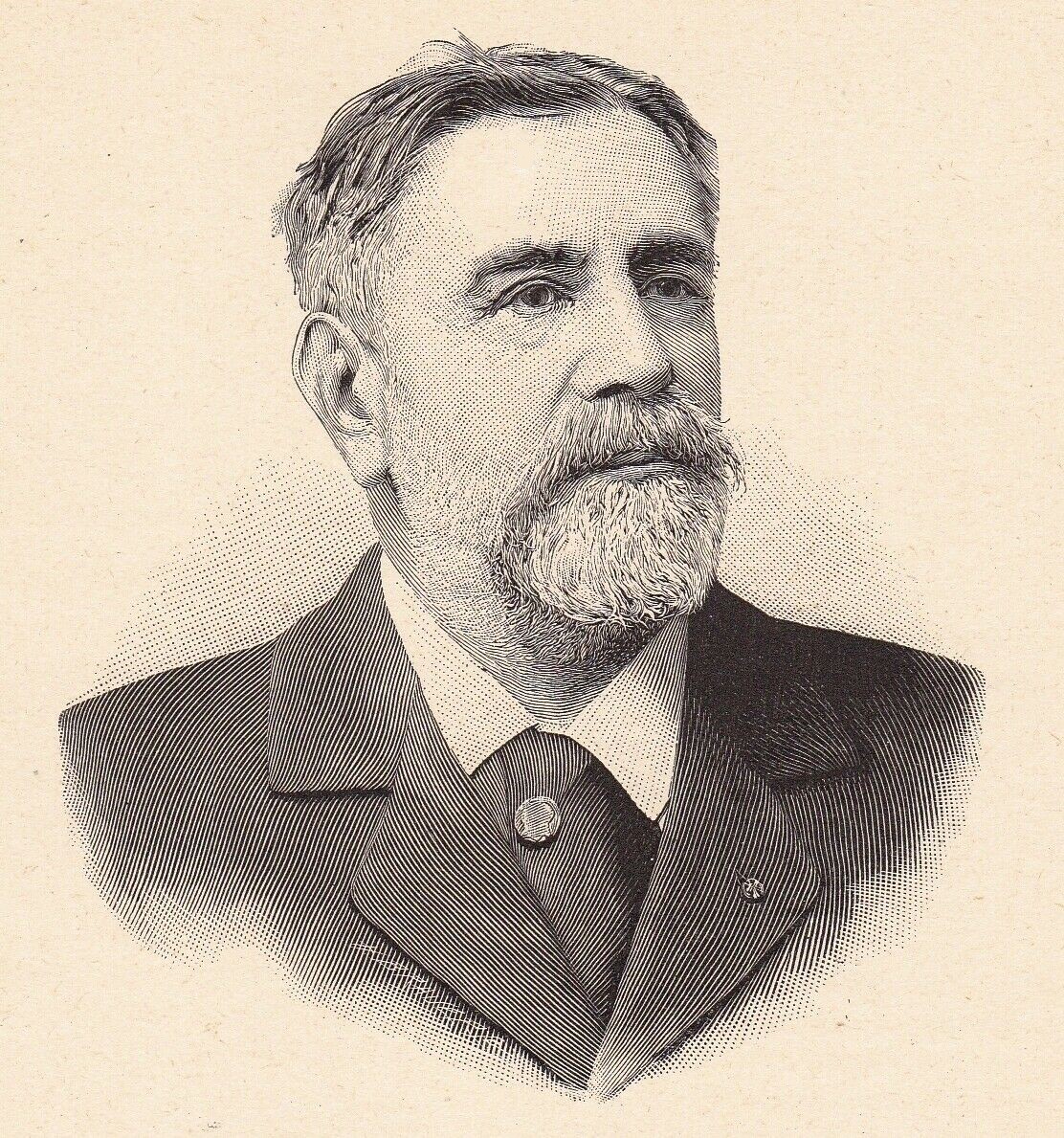
In the late 19th century, French archaeologist Georges Perrot undertook one of the first systematic studies of Mesopotamian art, and this volume captures that pioneering moment when the great palaces of Assyria were still being unearthed from the sands of time. The book focuses on civil and military architecture: the towering ziggurats, the sprawling palace complexes with their intricate reliefs and colossal lamassu guardians, the defensive walls that once protected the heart of the Assyrian empire. Perrot draws on the excavations of Layard, Hormuzd Rassam, and other pioneers, reconstructing not just the buildings themselves but the cultural world that produced them. The numerous engravings and plates offer glimpses into sites that would later be damaged by time, war, and modern tourism, making this volume a document of both art history and a vanished archaeological moment. For anyone drawn to the origins of Assyriology or the birth of modern art history as a discipline, this remains a fascinating window into how 19th-century scholars first learned to read the stones of Mesopotamia.
Editions
Link to this book
Add a free, dofollow link to Lex on your blog, forum, syllabus, or reading list.

<a href="https://lex-books.com/book/a-history-of-art-in-chald-a-assyria-vol-2-of-2-213dabdf-47d9-4693-b550-21794c27aff3"><img src="https://lex-books.com/badges/read-on-lex.svg" alt="Read A History of Art in Chaldæa & Assyria, Vol. 2 (of 2) by Georges Perrot free on Lex" width="160" height="40"></a>[](https://lex-books.com/book/a-history-of-art-in-chald-a-assyria-vol-2-of-2-213dabdf-47d9-4693-b550-21794c27aff3)[url=https://lex-books.com/book/a-history-of-art-in-chald-a-assyria-vol-2-of-2-213dabdf-47d9-4693-b550-21794c27aff3][img]https://lex-books.com/badges/read-on-lex.svg[/img][/url]Read A History of Art in Chaldæa & Assyria, Vol. 2 (of 2) by Georges Perrot free on Lex: https://lex-books.com/book/a-history-of-art-in-chald-a-assyria-vol-2-of-2-213dabdf-47d9-4693-b550-21794c27aff3Cite this book
Reading this edition for a paper or guide? Copy a citation.
Perrot, Georges. A History of Art in Chaldæa & Assyria, Vol. 2 (of 2). Lex, lex-books.com/book/a-history-of-art-in-chald-a-assyria-vol-2-of-2-213dabdf-47d9-4693-b550-21794c27aff3.Perrot, G. (1923). A History of Art in Chaldæa & Assyria, Vol. 2 (of 2). Lex. https://lex-books.com/book/a-history-of-art-in-chald-a-assyria-vol-2-of-2-213dabdf-47d9-4693-b550-21794c27aff3Perrot, Georges. A History of Art in Chaldæa & Assyria, Vol. 2 (of 2). Lex. https://lex-books.com/book/a-history-of-art-in-chald-a-assyria-vol-2-of-2-213dabdf-47d9-4693-b550-21794c27aff3.