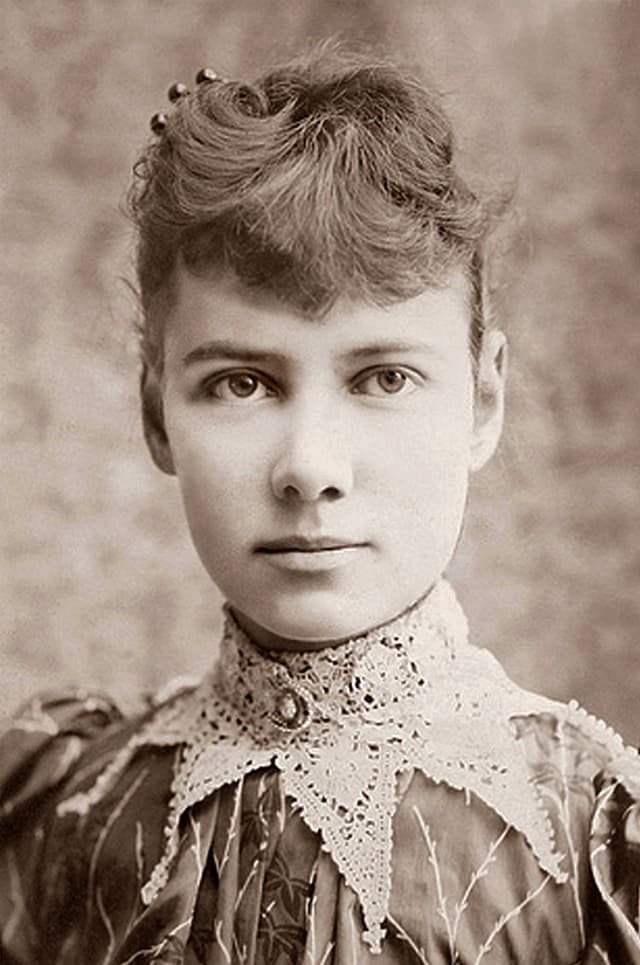
Nellie Bly
Nellie Bly, born Elizabeth Jane Cochran, was a pioneering American journalist renowned for her groundbreaking investigative reporting and adventurous spirit. She gained fame for her audacious journey around the world in just 72 days, a feat inspired by Jules Verne's character Phileas Fogg. This remarkable trip not only showcased her determination and resourcefulness but also captured the public's imagination, solidifying her status as a celebrity in the field of journalism. Bly's most significant contribution to journalism came with her daring undercover investigation at the Women's Lunatic Asylum on Blackwell's Island, where she exposed the horrific conditions faced by patients. This exposé, published in 1887, was instrumental in prompting reforms in mental health care and established her as a leader in the genre of immersion journalism. By blending personal narrative with social critique, Bly paved the way for future generations of journalists, particularly women, to pursue bold and impactful storytelling. Her legacy endures as a symbol of courage and innovation in the pursuit of truth.
Famous Quotes
View all 3 quotes“Energy rightly applied and directed will accomplish anything.”
“I said I could and I would. And I did.”
“It is only after one is in trouble that one realizes how little sympathy and kindness there are in the world.”
Books from the author
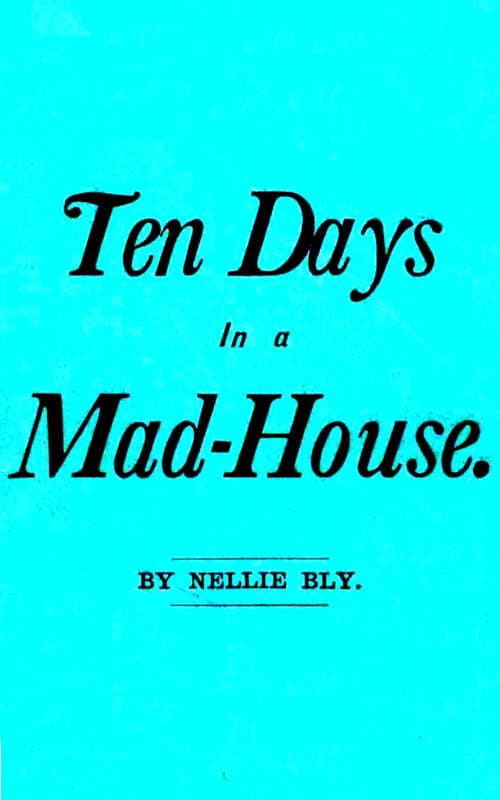
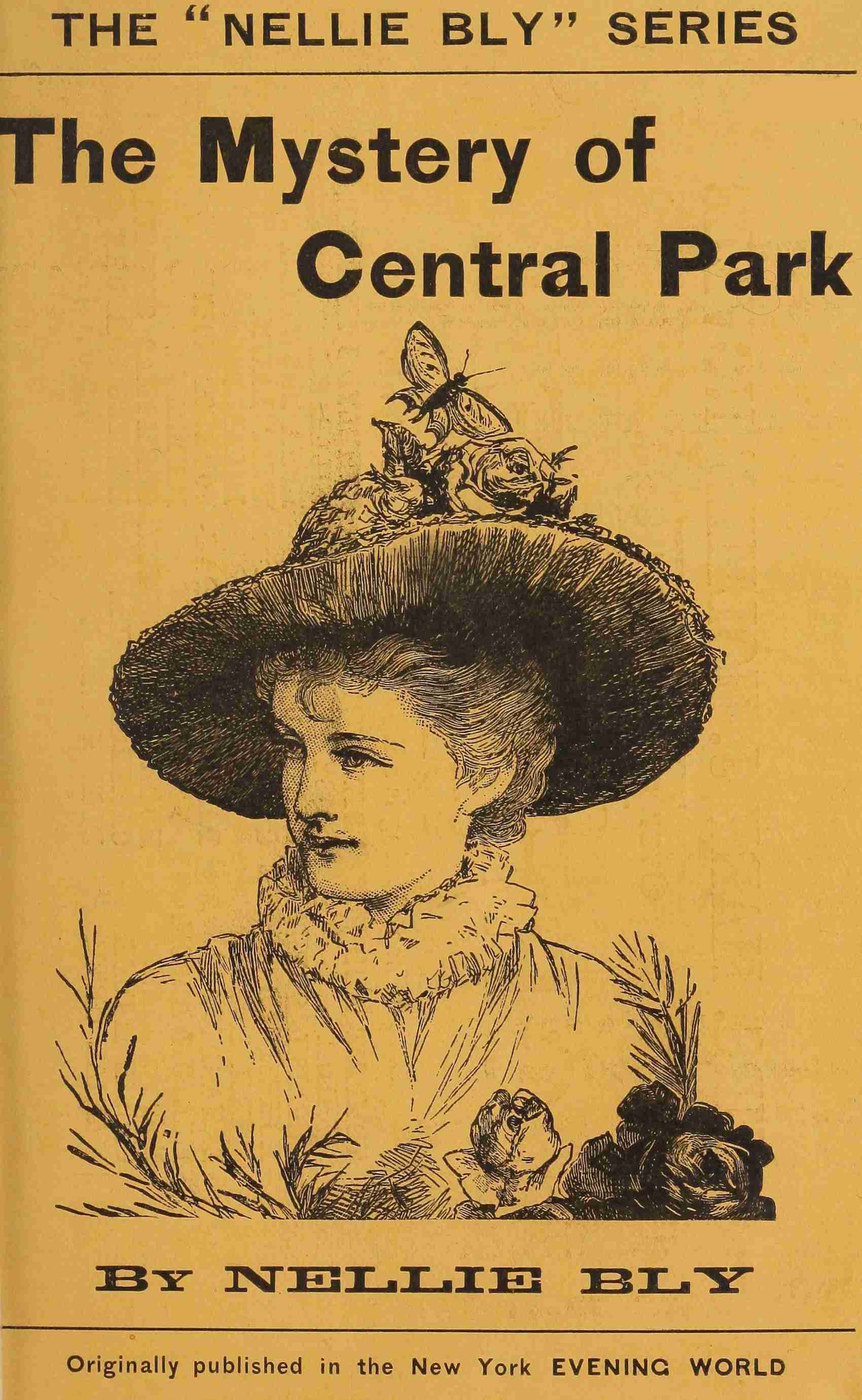




Link to this page
Add a free, dofollow link to Lex on your blog, forum, syllabus, or reading list.

<a href="https://lex-books.com/author/nellie-bly"><img src="https://lex-books.com/badges/read-on-lex.svg" alt="Nellie Bly on Lex" width="160" height="40"></a>[](https://lex-books.com/author/nellie-bly)[url=https://lex-books.com/author/nellie-bly][img]https://lex-books.com/badges/read-on-lex.svg[/img][/url]Nellie Bly on Lex: https://lex-books.com/author/nellie-bly