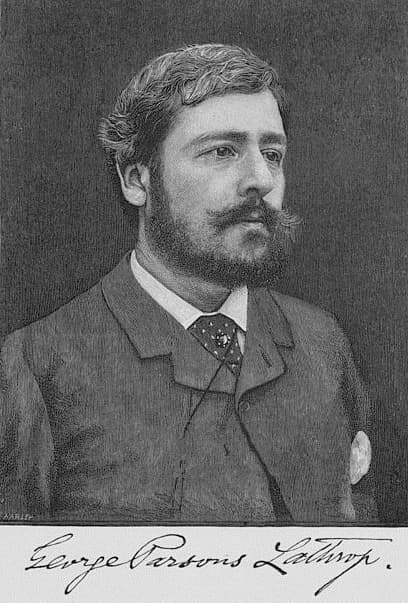
George Parsons Lathrop
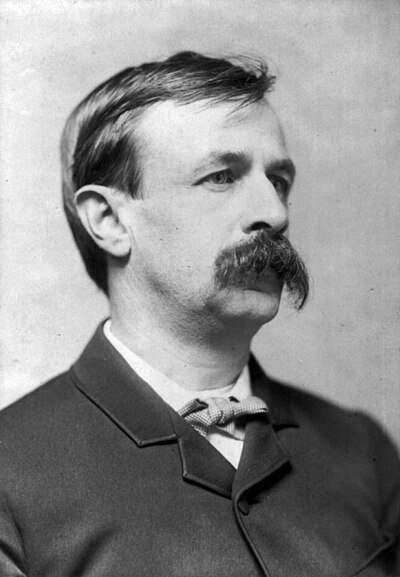
George Parsons Lathrop was an influential American poet, novelist, and newspaper editor whose contributions extended beyond literature into the realm of copyright law. Born in 1851, he became a prominent figure in the literary community, known for his lyrical poetry and engaging narratives. Lathrop's works often explored themes of nature, love, and the human experience, reflecting the Romantic ideals of his time. His notable writings include 'A Study of Hawthorne,' which offered critical insights into the works of Nathaniel Hawthorne, and 'The New Day,' a collection of poems that showcased his mastery of verse. In addition to his literary achievements, Lathrop played a significant role in shaping copyright legislation in the United States. He was a key advocate for the establishment of copyright laws that protected the rights of authors, and he was instrumental in the formulation of the first international copyright law. His efforts helped to secure the intellectual property of writers, ensuring that their works were protected across borders. Lathrop's legacy is marked not only by his literary contributions but also by his lasting impact on the rights of authors, making him a notable figure in both literature and legal reform.
Famous Quotes
View all 1 quotes“In short, realism reveals. Where we thought nothing worthy of notice, it shows everything to be rife with significance.”
Books from the author







Link to this page
Add a free, dofollow link to Lex on your blog, forum, syllabus, or reading list.

<a href="https://lex-books.com/author/george-parsons-lathrop"><img src="https://lex-books.com/badges/read-on-lex.svg" alt="George Parsons Lathrop on Lex" width="160" height="40"></a>[](https://lex-books.com/author/george-parsons-lathrop)[url=https://lex-books.com/author/george-parsons-lathrop][img]https://lex-books.com/badges/read-on-lex.svg[/img][/url]George Parsons Lathrop on Lex: https://lex-books.com/author/george-parsons-lathrop