
George Lippard
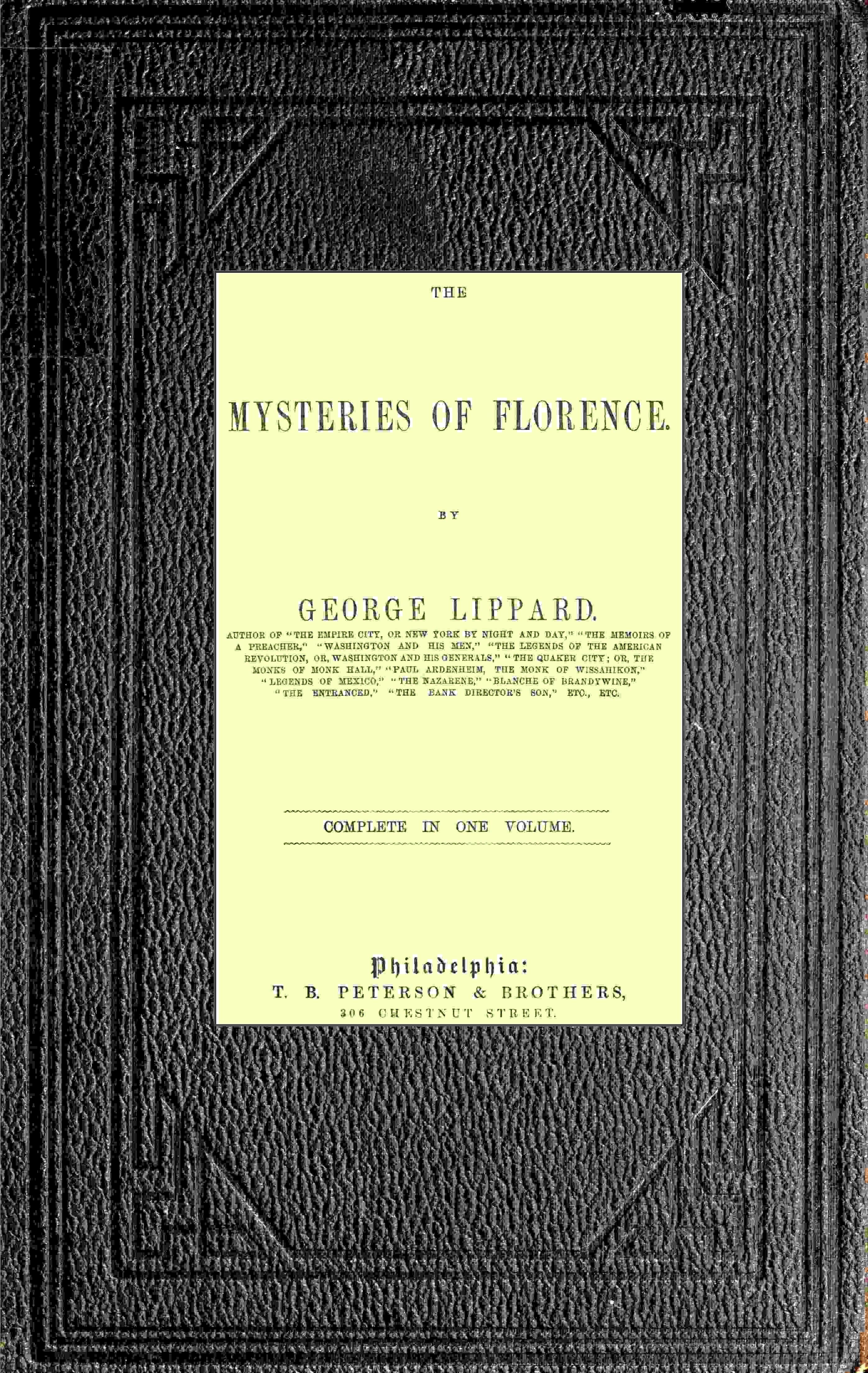
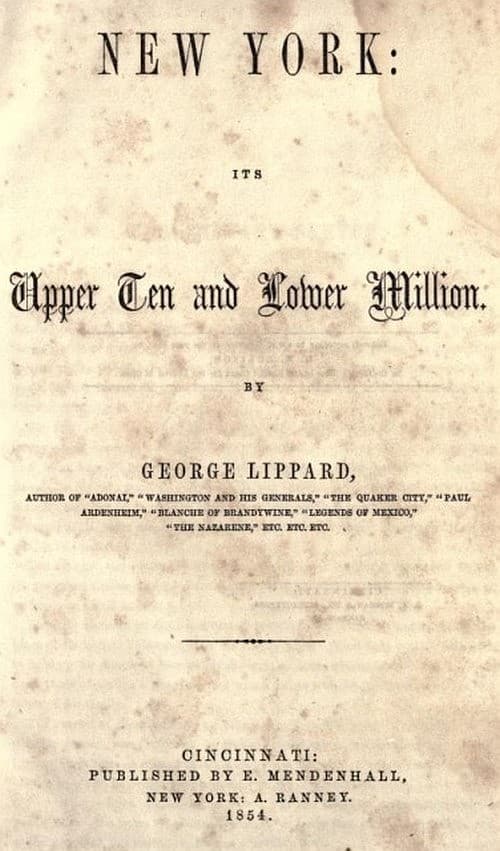
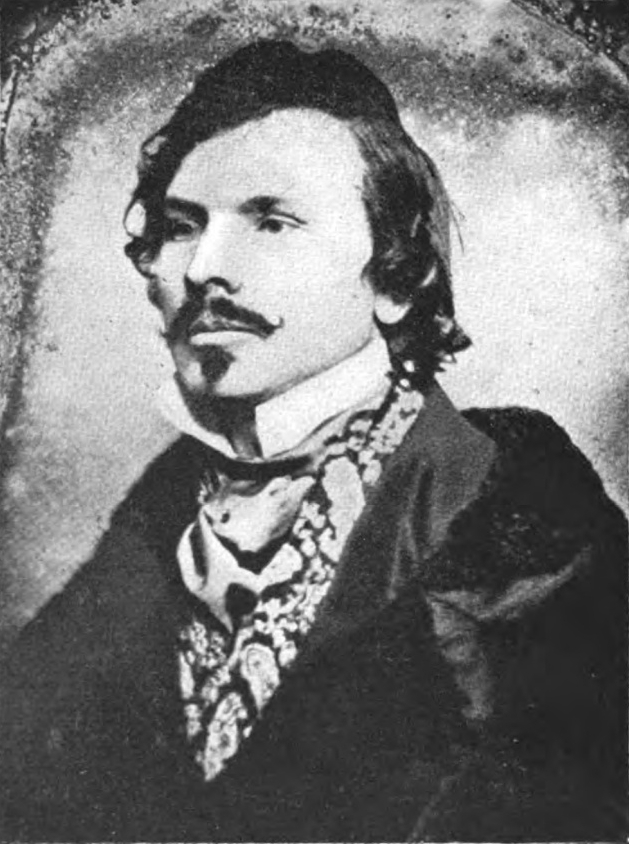
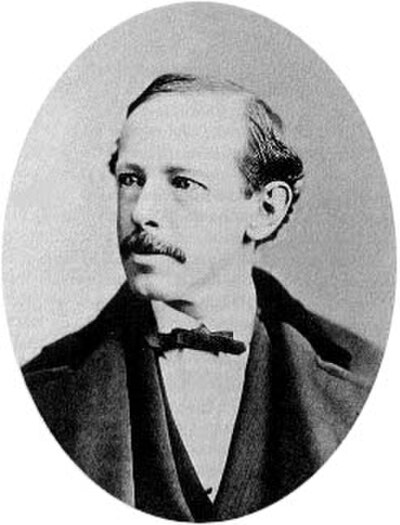
George Lippard was a prominent 19th-century American novelist, journalist, and social activist known for his fervent advocacy of labor rights and socialist ideals. A contemporary of Edgar Allan Poe, Lippard's literary contributions were marked by a dual focus on Gothic tales and historical romances. His most notable works include 'The Monks of Monk Hall,' also known as 'The Quaker City,' which exposed the moral decay and vice of urban life, and 'Legends of the Revolution,' a popular historical fiction that celebrated American independence. Through these narratives, he sought to illuminate the struggles of the working class and critique the societal injustices of his time. In addition to his literary endeavors, Lippard was a pioneering figure in labor organization, founding the Brotherhood of the Union, a secret benevolent society aimed at providing support for workers. This organization laid the groundwork for future labor movements and persisted until the late 20th century. Despite his early death at the age of 31, Lippard's works and activism left a significant imprint on American literature and social reform, reflecting the turbulent socio-economic landscape of antebellum America. His blend of sensationalism and social commentary made him a unique voice of his era, although his works have largely faded from contemporary recognition.
Famous Quotes
View all 1 quotes“I bitterly recalled that I had no arms.”
Books from the author



Link to this page
Add a free, dofollow link to Lex on your blog, forum, syllabus, or reading list.

<a href="https://lex-books.com/author/george-lippard"><img src="https://lex-books.com/badges/read-on-lex.svg" alt="George Lippard on Lex" width="160" height="40"></a>[](https://lex-books.com/author/george-lippard)[url=https://lex-books.com/author/george-lippard][img]https://lex-books.com/badges/read-on-lex.svg[/img][/url]George Lippard on Lex: https://lex-books.com/author/george-lippard