
George Jean Nathan
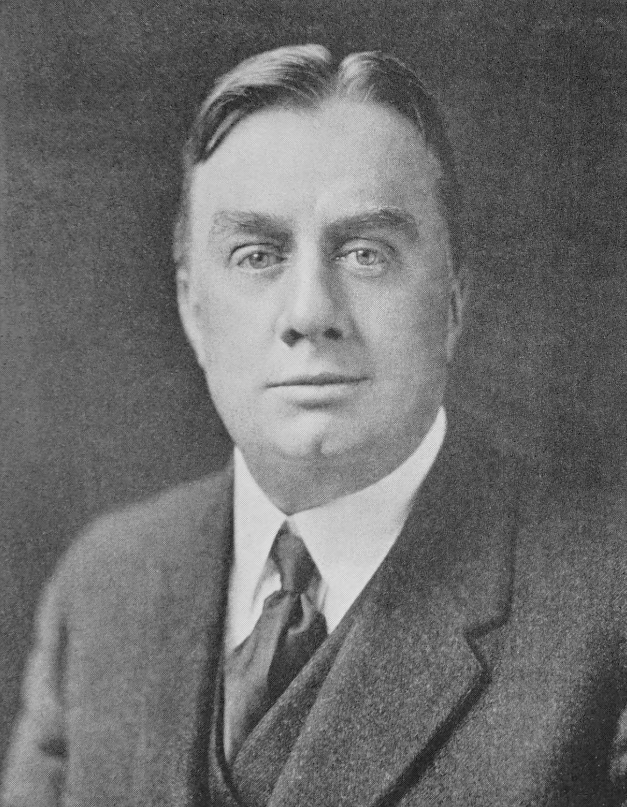
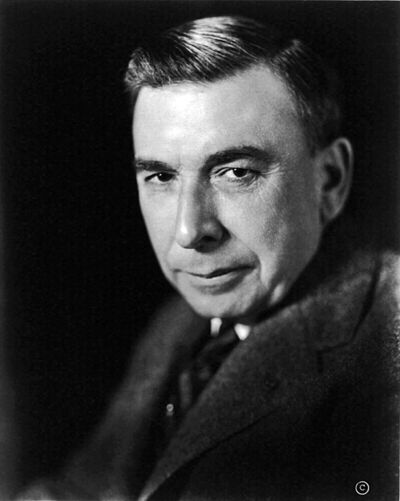
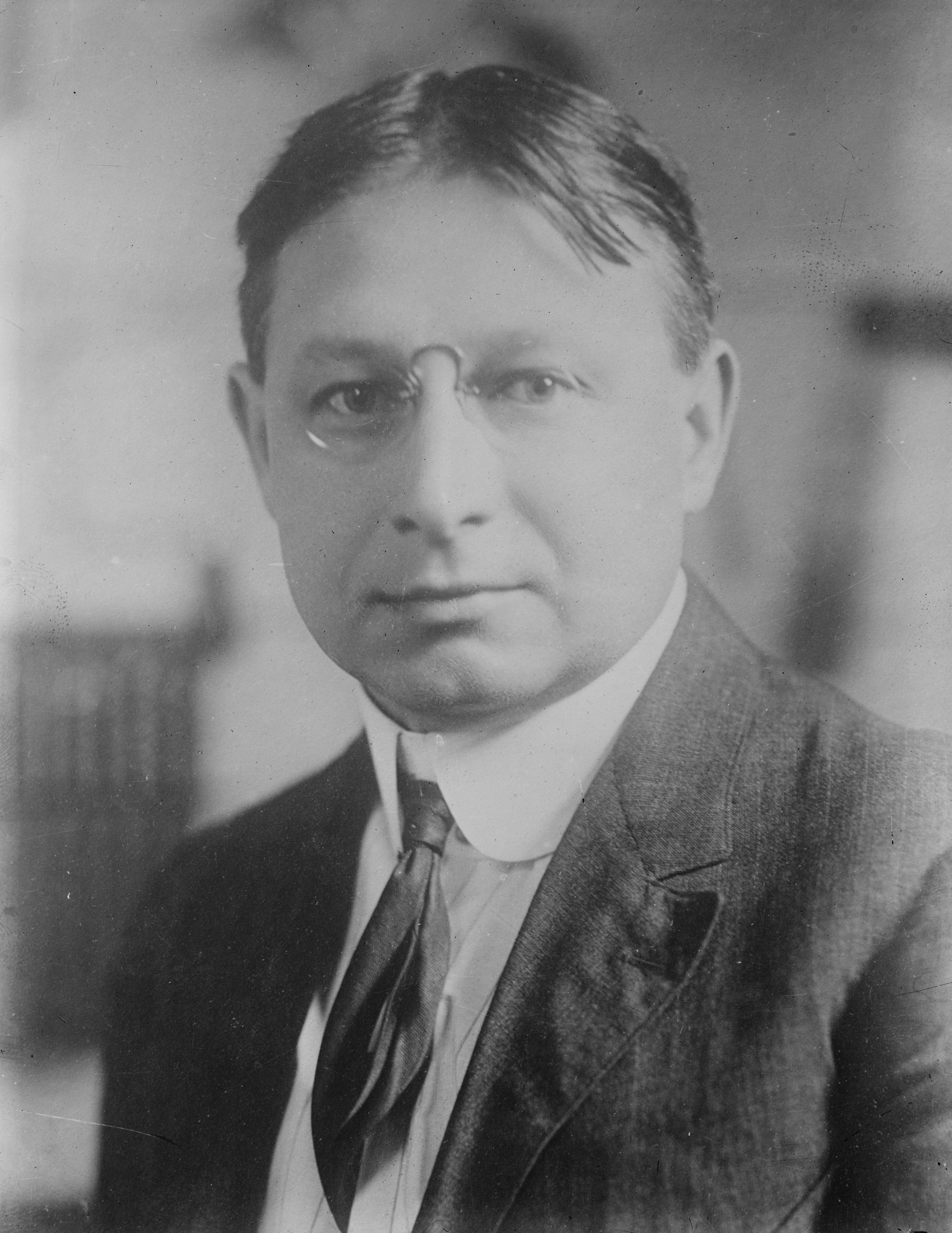
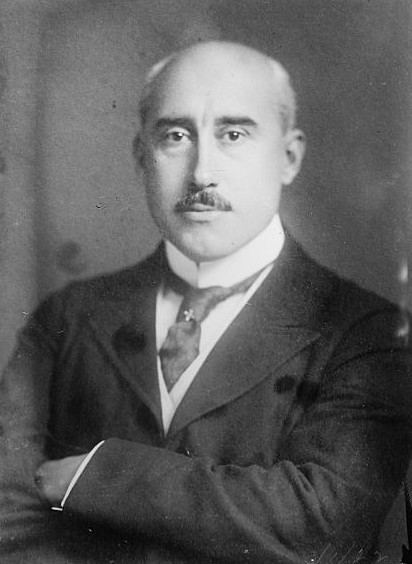
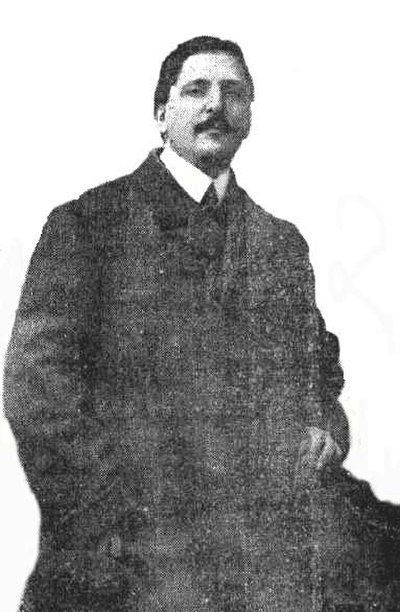
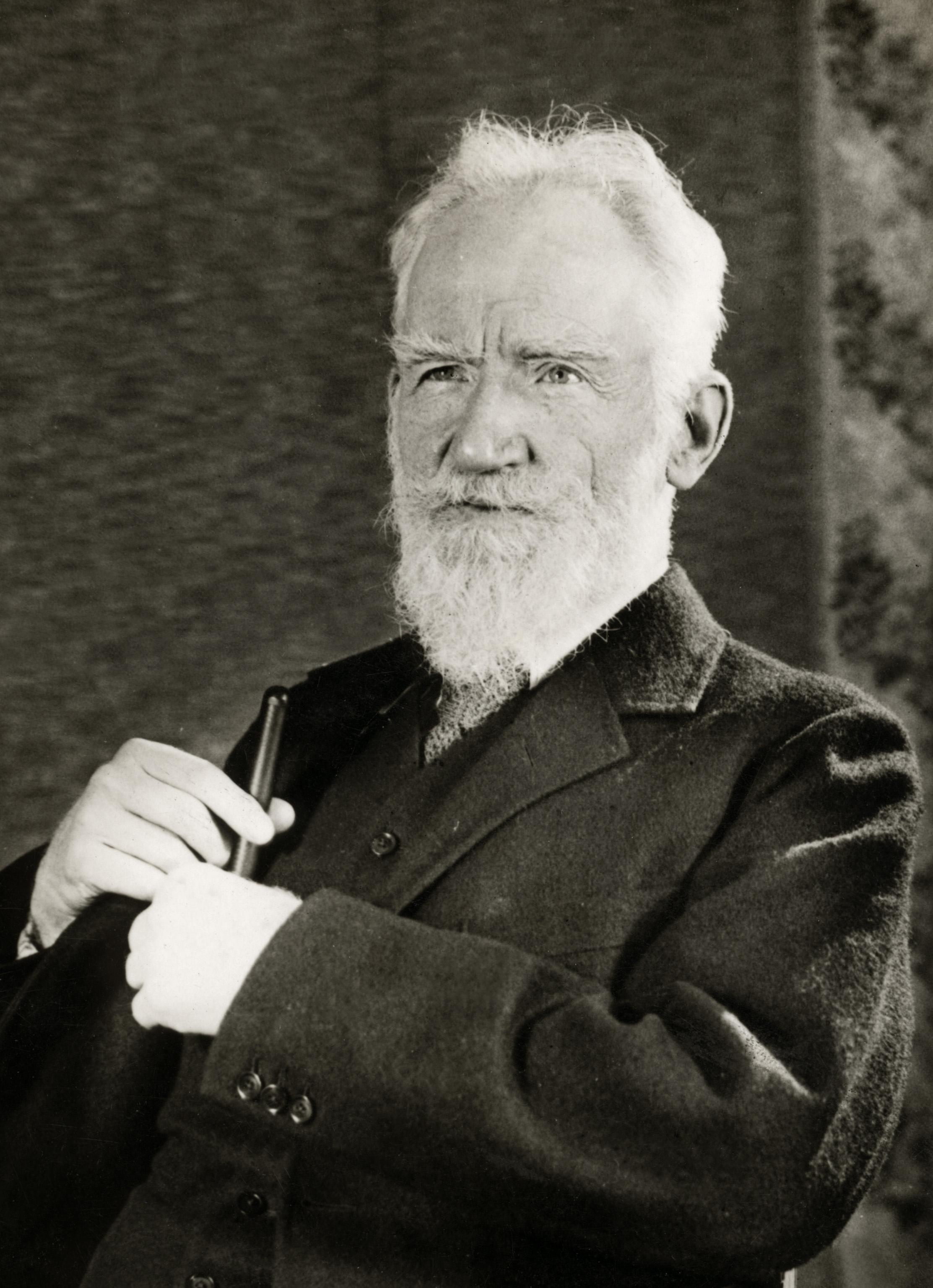
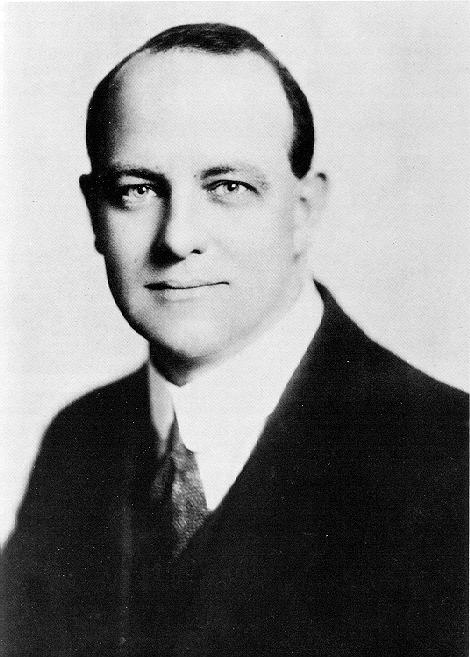
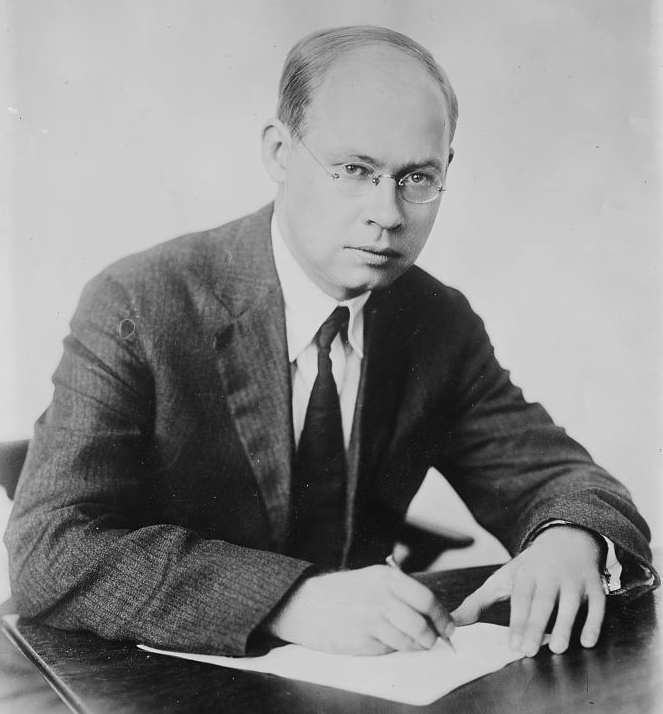
George Jean Nathan was a prominent American drama critic and magazine editor known for his influential role in shaping American literary culture in the early 20th century. He gained recognition for his work with H. L. Mencken, particularly as an editor of The Smart Set, a literary magazine that became a platform for modernist writers and thinkers. Nathan's editorial vision helped elevate the magazine's status, making it a significant voice in American literature during its time. In addition to his work with The Smart Set, Nathan co-founded and edited The American Mercury and The American Spectator, further solidifying his impact on American journalism and criticism. His sharp wit and critical insights into theater and literature earned him a reputation as one of the leading critics of his era. Nathan's contributions to the field of drama criticism were particularly notable, as he championed innovative and avant-garde works, influencing both audiences and playwrights alike. His legacy endures through his writings and the platforms he helped establish, which continue to resonate in the literary world today.
Famous Quotes
View all 3 quotes“Love is an emotion experienced by the many and enjoyed by the few.”
“My code of life and conduct is simply this: work hard, play to the allowable limit, disregard equally the good and bad opinion of others, never do a friend a dirty trick, eat and drink what you feel like when you feel like, never grow indignant over anything, trust to tobacco for calm and serenity, bathe twice a day . . . learn to play at least one musical instrument and then play it only in private, never allow one's self even a passing thought of death, never contradict anyone or seek to prove anything to anyone unless one gets paid for it in cold, hard coin, live the moment to the utmost of its possibilities, treat one's enemies with polite inconsideration, avoid persons who are chronically in need, and be satisfied with life always but never with one's self.”
“A man reserves his true and deepest love not for the species of woman in whose company he finds himself electrified and enkindled, but for that one in whose company he may feel tenderly drowsy.”
Books from the author




Link to this page
Add a free, dofollow link to Lex on your blog, forum, syllabus, or reading list.

<a href="https://lex-books.com/author/george-jean-nathan"><img src="https://lex-books.com/badges/read-on-lex.svg" alt="George Jean Nathan on Lex" width="160" height="40"></a>[](https://lex-books.com/author/george-jean-nathan)[url=https://lex-books.com/author/george-jean-nathan][img]https://lex-books.com/badges/read-on-lex.svg[/img][/url]George Jean Nathan on Lex: https://lex-books.com/author/george-jean-nathan